Curl Chart vs FIA vs LOIS: Which Hair Typing System Is Most Useful?
If you’ve spent any time researching curly hair, you’ve probably seen the traditional curl chart that classifies hair as 2A through 4C.
While curl charts can be useful, they’re not the only way to understand your hair. Other systems, such as FIA and LOIS, look beyond curl pattern and can help explain why two people with the same curl type often need completely different routines.
In this guide, we’ll compare the traditional curl chart, the FIA Hair Typing System, and the LOIS Hair Typing System so you can understand what each system measures and which one is most useful for building a curly hair routine.
What Is the Traditional Curl Chart?
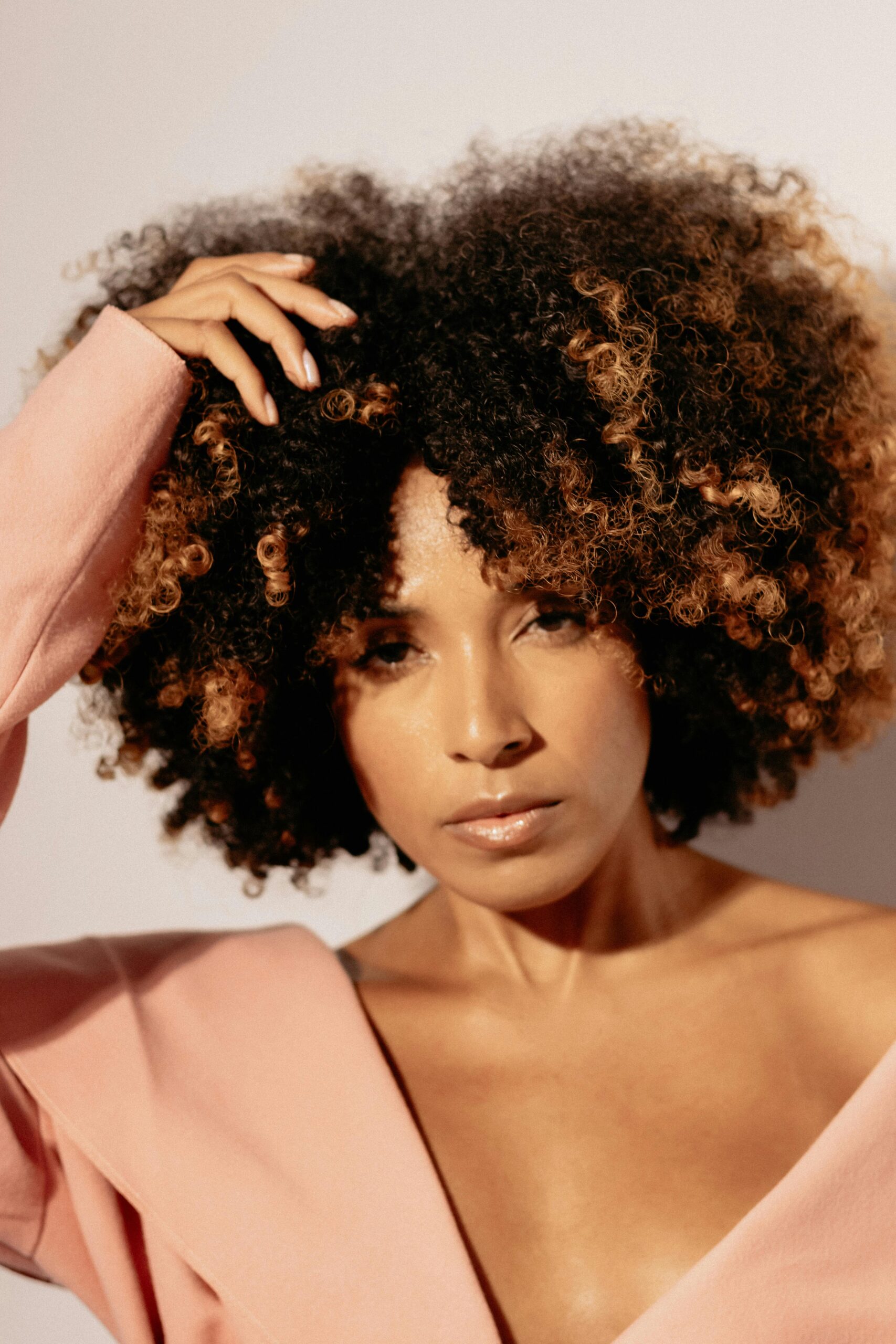
The traditional curl chart categorizes hair based on curl pattern.

Common Categories
- Type 2: Wavy
- Type 3: Curly
- Type 4: Coily
Each category is further divided into A, B, and C subcategories.
Pros
- Easy to understand
- Widely recognized
- Helpful for describing curl pattern
Limitations
The curl chart only tells you what your hair looks like.
It doesn’t explain:
- Porosity
- Density
- Strand thickness
- Product absorption
- Drying time
This is why two people with 3A curls can have completely different experiences with the same products.
What Is the FIA Hair Typing System?
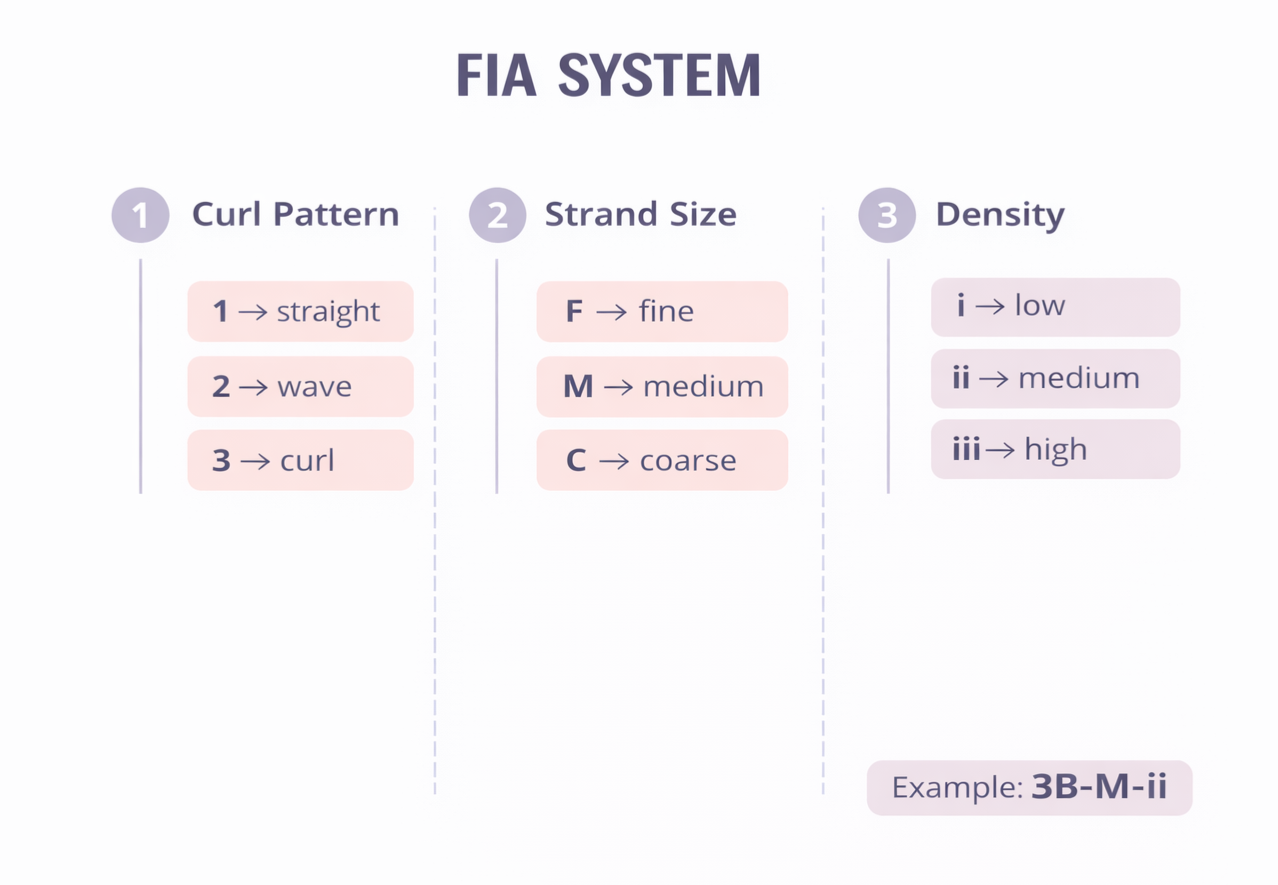
The FIA system takes a more detailed approach.
Instead of focusing only on curl pattern, it considers multiple characteristics that influence how hair behaves.
The FIA System Includes
- Curl pattern
- Porosity
- Density
- Strand thickness
Because it evaluates multiple traits, FIA can be especially helpful when choosing products and building a routine.
Why FIA Can Be Helpful
Two people may have similar curl patterns but very different:
- Product needs
- Styling routines
- Moisture requirements
The FIA system helps explain those differences.
What Is the LOIS Hair Typing System?
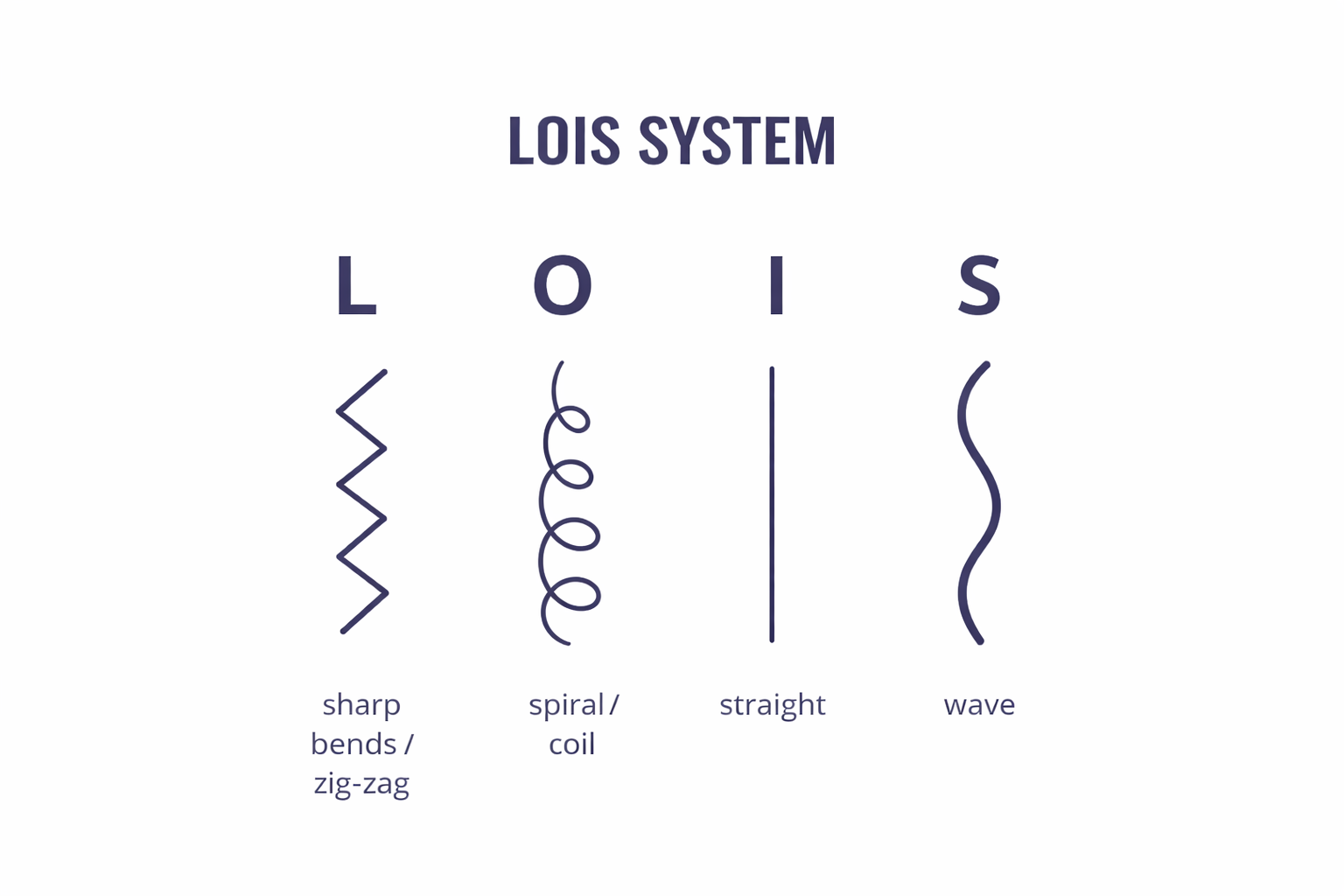
The LOIS system focuses on curl shape rather than numbered curl types.
The letters represent different curl patterns:
L
Hair bends at sharp angles.
O
Hair forms round coils.
I
Hair has little to no curl pattern.
S
Hair forms waves or S-shaped patterns.
Many people have more than one LOIS pattern throughout their hair.
Why LOIS Can Be Helpful
The LOIS system can help explain:
- Shrinkage
- Curl behavior
- Styling challenges
- Pattern inconsistencies
It offers a different perspective than traditional curl charts.
Which System Is Best?
The answer depends on your goal.
Use the Traditional Curl Chart if:
- You want to identify your curl pattern.
- You need a simple way to describe your hair.
Use FIA if:
- You’re trying to build a routine.
- You’re choosing products.
- You want to understand porosity, density, and strand thickness.
Use LOIS if:
- You’re curious about curl behavior.
- You want to understand shrinkage and curl formation.
Why Porosity Often Matters More Than Curl Type
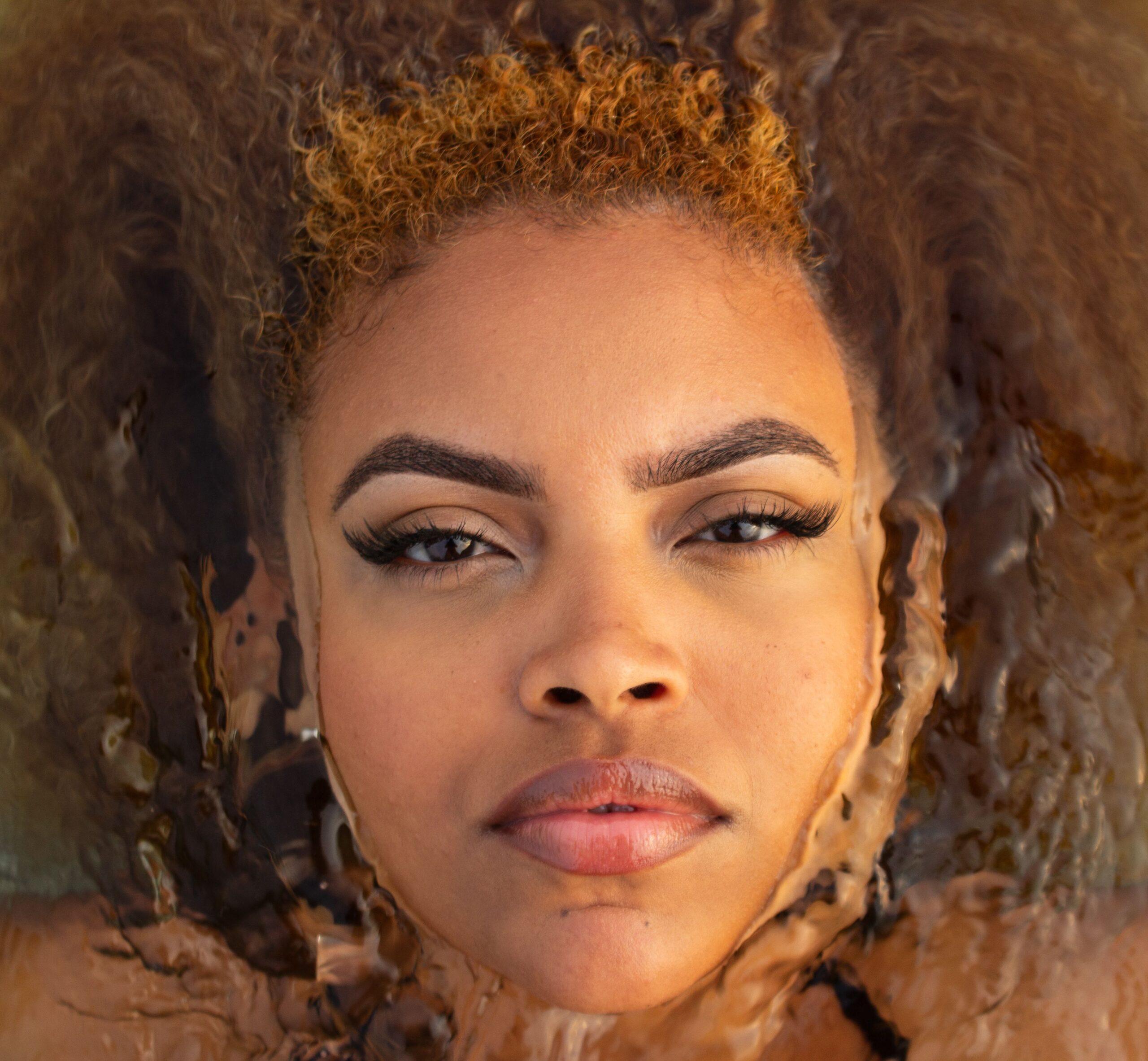
While curl pattern affects how your hair looks, porosity influences how your hair responds to products.
Porosity affects:
- Moisture retention
- Product absorption
- Drying time
- Product buildup
That’s why many people find it more helpful to build routines around porosity rather than curl type alone.
Related Guides
Curl Chart vs FIA vs LOIS FAQs
Can two people with the same curl type need different products?
Yes. Porosity, density, and strand thickness can dramatically affect how products perform.
Is FIA better than the curl chart?
Not necessarily. FIA simply provides more information. Both systems can be useful for different purposes.
Is the LOIS system still used today?
While it’s less common than the traditional curl chart, many curly hair enthusiasts still use LOIS to understand curl behavior and shrinkage.
Which system should beginners start with?
Most people start with the traditional curl chart because it’s easy to understand. From there, learning your porosity and density often provides more useful information for product selection.
Final Thoughts
The traditional curl chart, FIA, and LOIS all describe different aspects of hair. The curl chart focuses on appearance. LOIS focuses on curl shape and behavior.
FIA provides a more complete picture by incorporating density, porosity, and strand thickness.
Rather than choosing one system, consider using them together. Understanding how your hair looks is helpful, but understanding how it behaves is often what leads to a better routine.
Want to learn more about your hair type, porosity, and curl pattern? Check out my Curly Hair Resource Guide.
Let’s Make Inbox Magic
Join my circle to unlock the Curly Mama Freebie Library, your all-access pass to printables, checklists, and resources made for busy moms and curly hair lovers.
Already subscribed? Click here to access the Freebie Library.