
Mastering the LOC Method for Curly Hair: My Hydration Routine
Product images are sourced from the official brand websites or authorized retailer listings for identification purposes. This post may contain affiliate links, which means I may earn a small commission if you purchase them at no extra cost to you. All opinions are my own. See my full disclosure here.
The LOC method is one of the most talked-about routines for curly hair—but a lot of people use it the wrong way.
It’s not just about layering products in a specific order. It’s about understanding how your hair absorbs and holds moisture so your routine actually works.
If your curls still feel dry no matter what you use, the issue might not be your products; it might be how you’re layering them.
How the LOC Method Helped Restore My Curly Hair
After I dyed my hair blonde, my curls were never the same. My texture loosened, my hair felt dry and brittle, and moisture seemed to disappear no matter what I used.
That’s when I revisited the LOC method—a layering technique that stands for Liquid, Oil, and Cream—and started paying closer attention to how my hair responded to each step.
Over time, I realized the method itself wasn’t the magic—it was learning how to adjust it based on porosity, product weight, and even the weather. In some cases, reversing the order (LCO) worked better for my hair.
Once I understood that, everything started to click.
What the LOC Method Actually Is (and Why It Works)
The LOC method is a simple way of layering products to help your hair stay hydrated longer.
It stands for:
L – Liquid (water or a leave-in conditioner)
O – Oil (to help seal in moisture)
C – Cream (to add moisture and definition)
The idea is to apply products in this order so your hair gets hydrated first, then sealed, then softened and defined.
But here’s what most people miss: The method itself isn’t what makes the difference—it’s how well your hair holds onto moisture.
If your hair absorbs moisture easily, you may not need heavy oils. If your hair loses moisture quickly, sealing becomes more important.
That’s why the LOC method works for some people right away—and feels too heavy or ineffective for others.
LOC vs. LCO Method: Which One Is Better?
You might have seen people flip the order and use the LCO method instead—Liquid, Cream, Oil.
The difference comes down to how your hair holds moisture.
- LOC (Liquid > Oil > Cream): helps seal moisture early, which works well for hair that loses moisture quickly
- LCO (Liquid > Cream > Oil): layers moisture first, then seals at the end, which can feel lighter and absorb better for some hair types
In general:
- High porosity hair tends to do better with LOC, because it needs help holding onto moisture
- Low porosity hair often prefers LCO, since heavy oils too early, can sit on top and block absorption
- Medium porosity hair can usually go either way, depending on the products and the weather
The key is not choosing the “right” method—it’s paying attention to how your hair responds.
If your hair feels coated or heavy, try switching the order. If it still feels dry, focus on sealing moisture more effectively.
Who Should Use LOC or LCO? (By Porosity)
The method you choose depends less on your curl pattern and more on how your hair absorbs and holds moisture. That’s where porosity comes in.
- Low porosity hair: Usually does better with LCO. Starting with a cream helps add moisture before sealing it in with a small amount of oil. Heavier oils, too early, can sit on top and make hair feel coated.
- Medium-porosity hair: Can use LOC or LCO, depending on the products and the weather. This hair type tends to hold moisture well, so it’s more about finding the right balance.
- High porosity hair (or color-treated): Often benefits from LOC, since applying oil earlier helps seal in moisture and reduce frizz and dryness.
If you’re not sure what your porosity is, start with one method and adjust based on how your hair feels—too heavy, too dry, or just right.
Not sure what your hair porosity is? Start here: Hair Porosity Explained (And Why Yours Might Have Changed)
How to Do the LOC Method Step-by-Step
The LOC method is simple once you understand the order. The goal is to hydrate your hair first, then layer products in a way that helps that moisture last.
Step 1: Start with water (Liquid)
Your hair should be damp or wet before applying anything else. This is what actually hydrates your curls.
- You can use plain water or a lightweight leave-in conditioner
- Focus on evenly saturating your hair so products can spread easily
Water is the foundation of this step—but how you apply it (and what you pair it with) can make a big difference in how your hair absorbs moisture.

Mist Bottle
Evenly distributes water without over-saturating
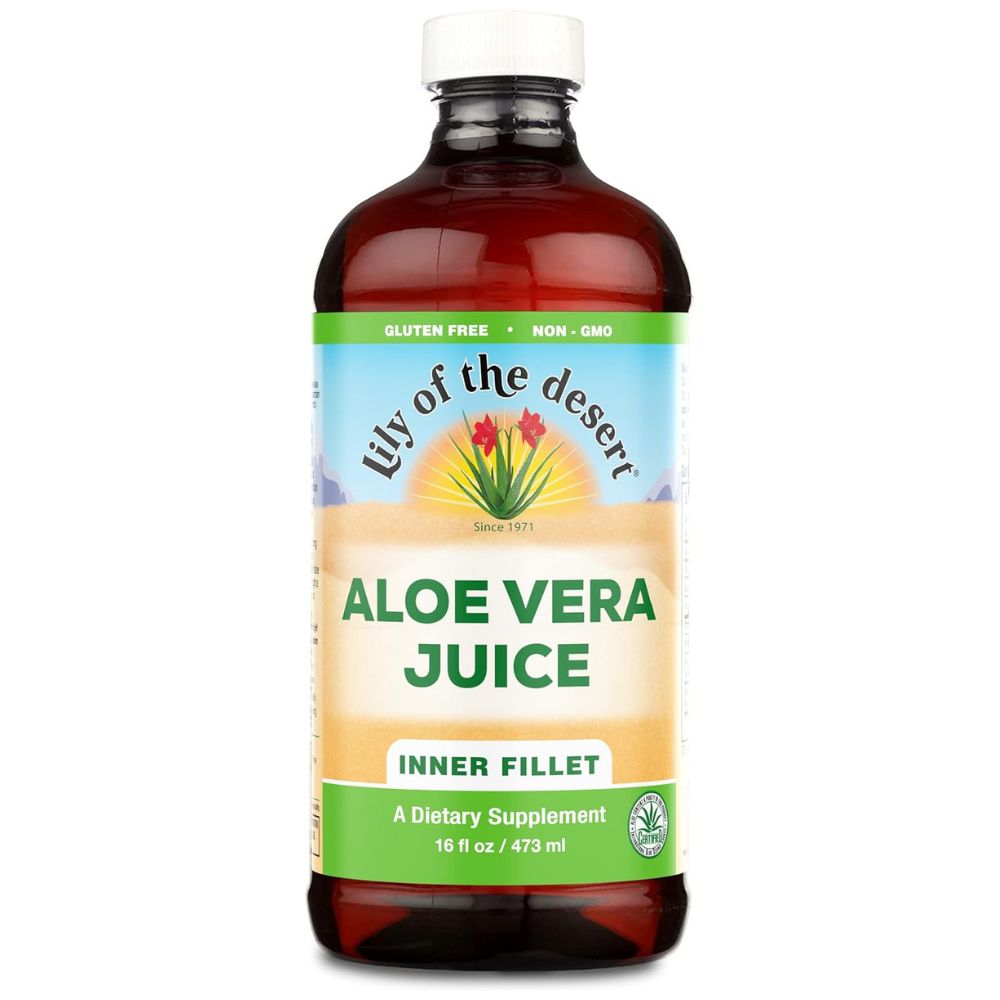
Aloe Vera Juice
Adds lightweight hydration and helps reduce frizz
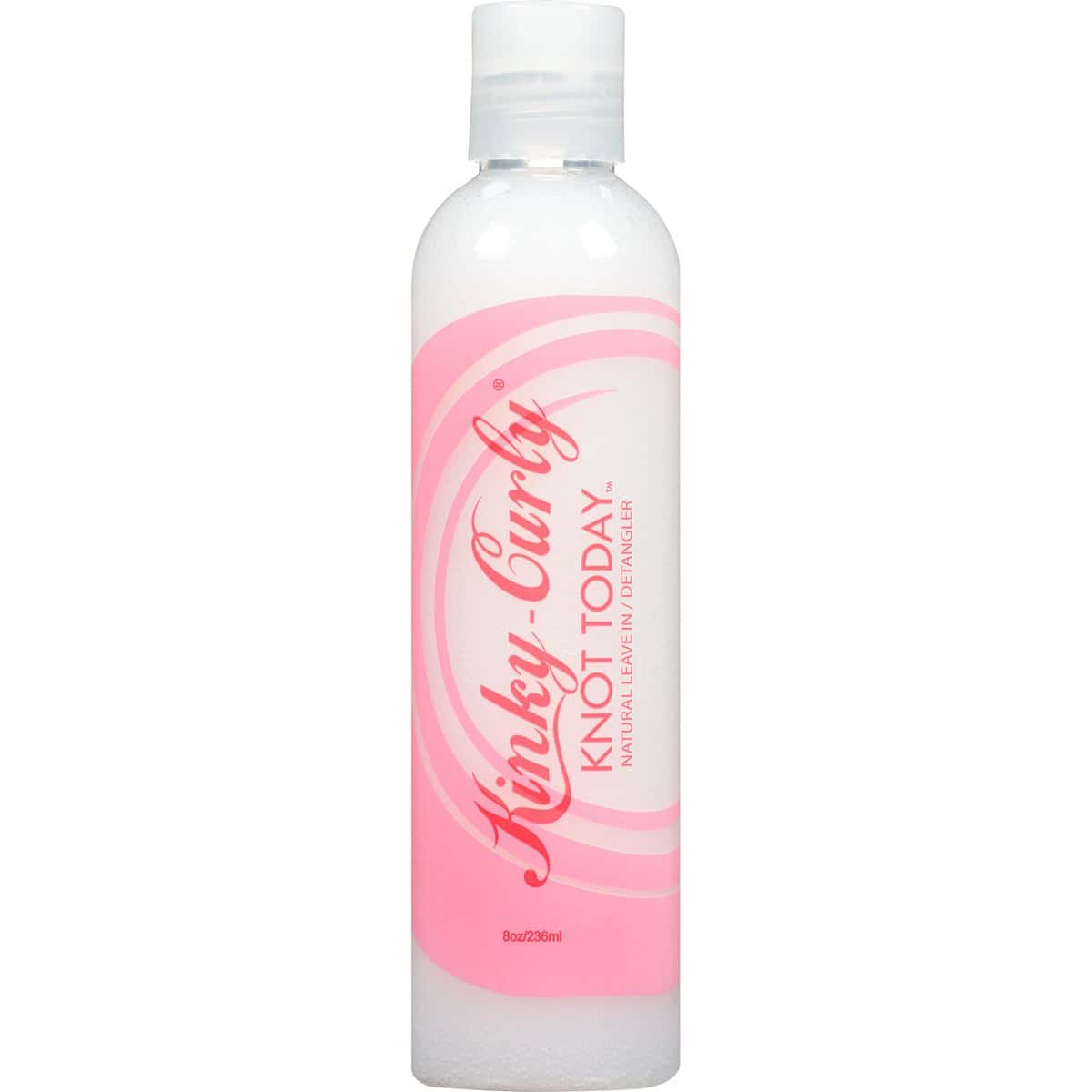
Lightweight Leave-In
Boosts slip and helps moisture spread evenly
Step 2: Apply oil (Seal)
After hydrating your hair, the next step is to seal in that moisture. Oils don’t add hydration—they help slow down how quickly your hair loses it.
The key is choosing an oil that matches how your hair absorbs moisture. Use a small amount of oil to seal in the moisture you just added.
- Start with a few drops and work it through your hair
- Focus on mid-lengths to ends, where dryness tends to show first
Not sure which to choose? Start lightweight and build up if your hair still feels dry.
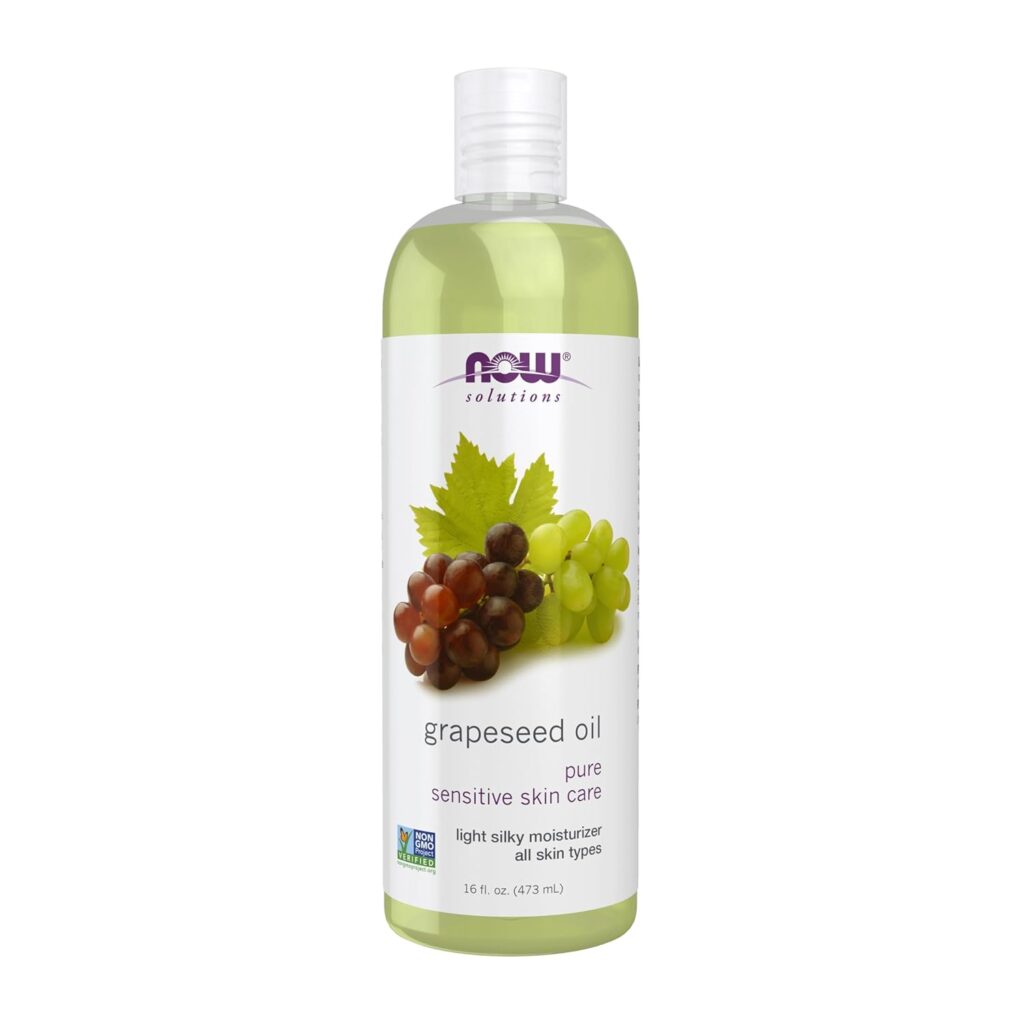
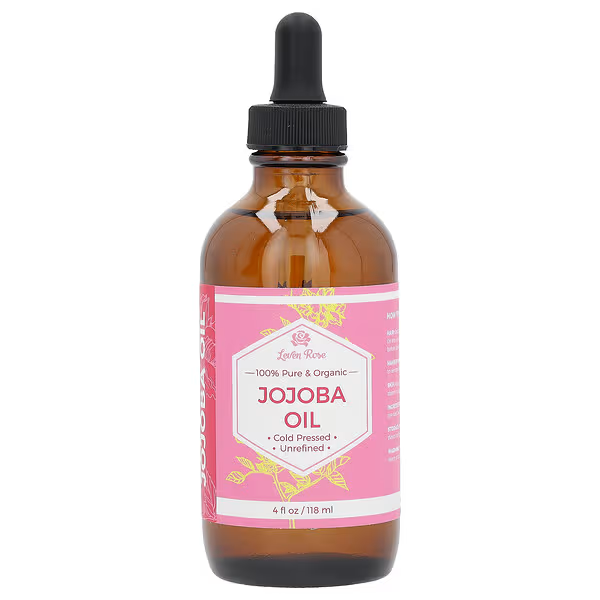

Lightweight Oil
Best for: Low porosity, fine hair, or humid weather
Description: Absorbs quickly and won’t weigh your hair down
Medium Oil
Best for: Medium porosity or normal-density hair
Description: Balances moisture without feeling heavy
Heavy Oil
Best for: High porosity, thick, or very dry hair
Description: Helps seal moisture longer and reduce frizz
Start with a small amount and adjust based on how your hair feels. If it feels greasy, you’re using too much. If it still feels dry, you may need a heavier oil or better layering.
Step 3: Add cream (Moisture + Definition)
The final step is to add a cream to help lock in moisture, reduce frizz, and define your curls. This step helps your hair feel soft, hydrated, and easier to manage.
- Start with a small amount and build up as needed
- Work in sections to distribute evenly
- Scrunch or smooth, depending on your styling preference
Not all “leave-ins” are the same; some are lightweight like a spray, while others are thick enough to act as your cream step.

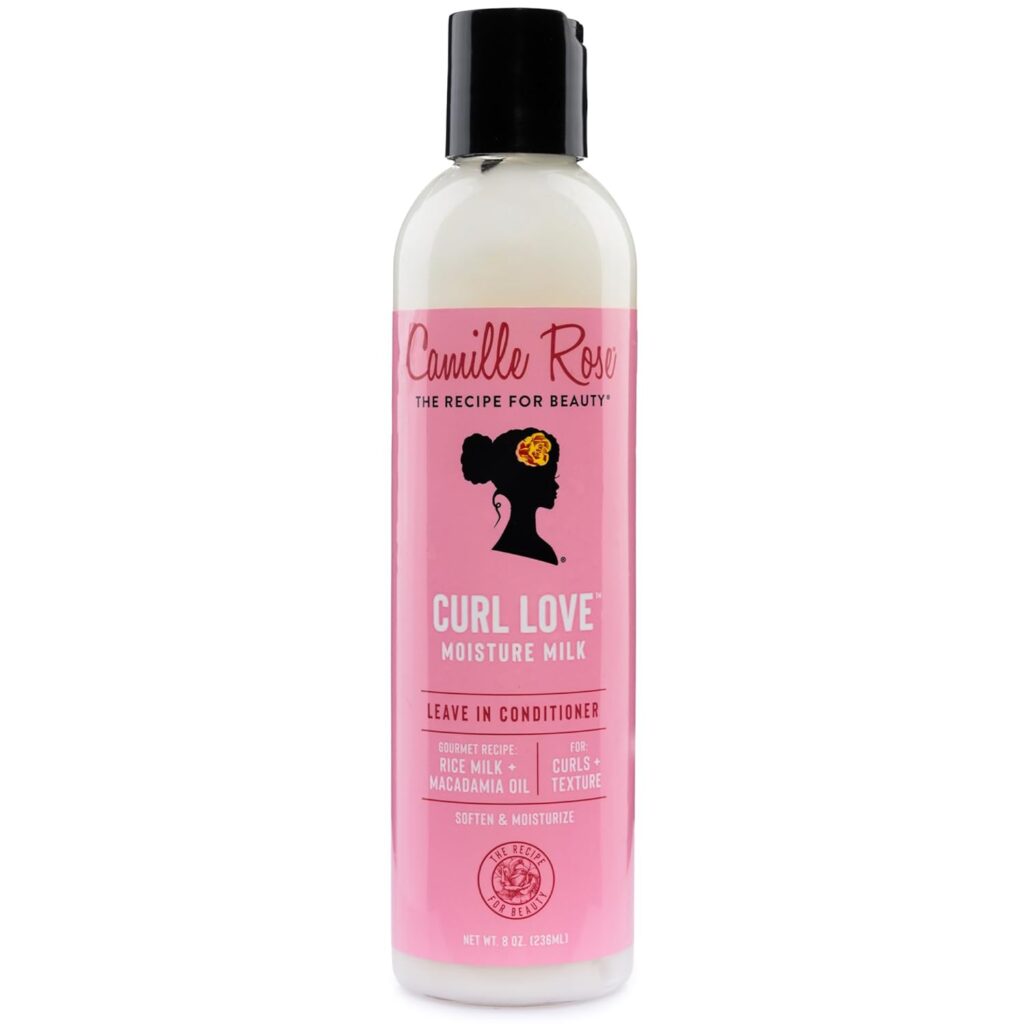
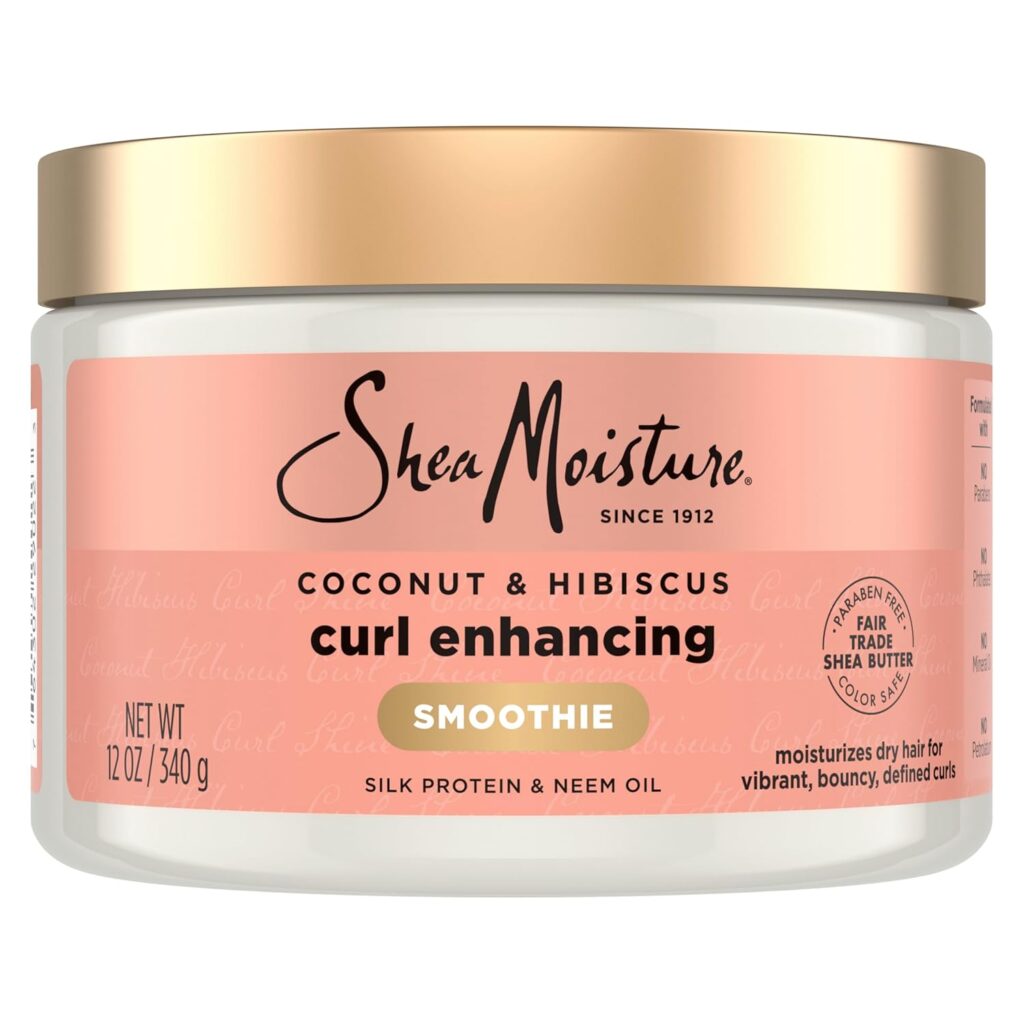
Lightweight Cream
Best for: Low porosity, fine hair, or minimal hold
Description: Adds light moisture without weighing curls down
Medium Cream
Best for: Medium porosity or everyday styling
Description: Balances moisture and definition for most curl types
Rich Cream
Best for: High porosity, thick, or very dry hair
Description: Deeply moisturizes and helps control frizz
If your hair feels weighed down, use less product or switch to a lighter cream. If it feels dry, you may need a richer formula or better layering in earlier steps.
Step 4: Style as usual
Once your products are layered, you can air-dry or diffuse depending on your routine.
The exact products matter less than how you layer them and how your hair responds.
LOC vs. LCO by Porosity
- Low porosity: LCO often feels better since applying cream before oil helps with absorption
- Medium porosity: Can use either method—focus on how your hair feels and adjust as needed
- High porosity (or color-treated): LOC usually works best because sealing earlier helps prevent moisture loss
LOC/LCO Method by Hair Type & Porosity
| Porosity | Best Method | What to Focus On |
|---|---|---|
| Low | LCO | Lightweight products, avoid buildup |
| Medium | LOC or LCO | Balance moisture + definition |
| High | LOC | Sealing moisture + reducing frizz |
Common LOC Method Mistakes (and How to Fix Them)
If the LOC method isn’t working for you, it’s usually not the method—it’s how it’s being applied.
1. Starting without enough water: If your hair isn’t properly hydrated first, the rest of the steps won’t work.
Fix: Make sure your hair is damp or wet before applying anything else.
2. Using too much oil: Too much oil can block moisture instead of sealing it.
Fix: Start with a few drops and build up only if needed.
3. Choosing products that are too heavy: Heavy products can sit on top of the hair, especially for low porosity.
Fix: Adjust product weight based on how your hair feels—not just your curl type.
4. Applying products unevenly: If some sections get more product than others, results will look inconsistent.
Fix: Work in sections and take your time distributing products.
5. Switching methods too quickly: Trying LOC and LCO back-to-back without testing can make it hard to see what works.
Fix: Stick with one method for a few wash days before adjusting.
FAQs About the LOC Method & Curly Hair Care
What is the LOC Method?
The LOC method is a way of layering products—Liquid, Oil, then Cream—to help your hair stay hydrated longer.
Can I change the order of LOC?
Yes. Some people use the LCO method (Liquid, Cream, Oil) instead, depending on how their hair absorbs moisture.
How often should I use the LOC method?
You can use it on wash day or during refreshes. The frequency depends on your routine and how your hair responds.
Final Thoughts
You don’t need to use these exact products to see results. The LOC method is about technique—not brand names. Once you understand how your hair responds to moisture, you can build a routine that actually works for you.
If you’re still figuring out what your hair needs, start with your basics first. Curly Hair Resource Guide
And remember—your routine isn’t static. Weather, humidity, and even your environment can change how your hair behaves. How Weather Affects Curly Hair: Seasonal Routines for Every Curl Type
The goal isn’t perfection—it’s consistency and understanding what works for your hair over time.
And don’t fall into the product hoarding trap. Use what you have, pay attention to results, and adjust as needed.
What’s your go-to LOC combo? Drop it in the comments—I’d love to hear what’s working for you.
Let’s Make Inbox Magic
Join my circle to unlock the Curly Mama Freebie Library, your all-access pass to printables, checklists, and resources made for busy moms and curly hair lovers.
Already subscribed? Click here to access the Freebie Library.
Already subscribed? Click here to access the Freebie Library.



2 Comments