
Pool Day Curly Hair Routine: How to Prevent Chlorine Damage
Product images are sourced from the official brand websites or authorized retailer listings for identification purposes. This post may contain affiliate links, which means I may earn a small commission if you purchase them at no extra cost to you. All opinions are my own. See my full disclosure here.
Spending time in the pool can be fun, especially during the summer, but it can also take a toll on your curls if you’re not preparing your hair beforehand.
Chlorine exposure can quickly lead to dryness, frizz, tangling, and even breakage over time, especially for curly or color-treated hair.
The good news is that protecting your hair on pool days doesn’t have to be complicated. With a few simple steps before and after swimming, you can reduce damage and keep your curls looking and feeling healthy.
In this guide, I’ll walk you through a simple pool day routine, including what to do before you get in the water, how to protect your hair while swimming, and what to do afterward to restore moisture.
Why Chlorine Damages Curly Hair

Chlorine is used in pools to kill bacteria, but it also affects your hair.
It strips natural oils, lifts the cuticle, and removes moisture from the hair strand. For curly hair, which is already more prone to dryness, this can quickly lead to:
- Frizz
- Tangling
- Dryness
- Breakage
If your hair is color-treated, the effects can be even more noticeable. Chlorine can cause fading, dullness, and make the hair feel rough over time.
If you want a deeper breakdown of how color-treated curls respond to damage and how to care for them, you can read my full guide here.
Who Needs a Pool Day Hair Routine
If you’re getting in the pool at all, you need some level of protection, but how often you swim makes a difference.

Occasional swimmers
- Weekend pool days
- Vacations
- Casual swimming
Frequent swimmers
- Swim team
- Daily pool use
- Kids in summer programs
The prep steps stay the same. The difference is how consistent you are with cleansing and restoring moisture afterward.
How to Protect Curly Hair Before Swimming
Preparing your hair before getting in the pool is one of the most important steps you can take to prevent chlorine damage. A few simple adjustments beforehand can help reduce dryness, tangling, and breakage.
Step 1: Saturate Your Hair First
Before getting in the pool, fully wet your hair with clean water. Hair works like a sponge. If it’s already saturated, it absorbs less chlorine from the pool. This is one of the easiest ways to reduce damage.
Step 2: Add a Protective Layer
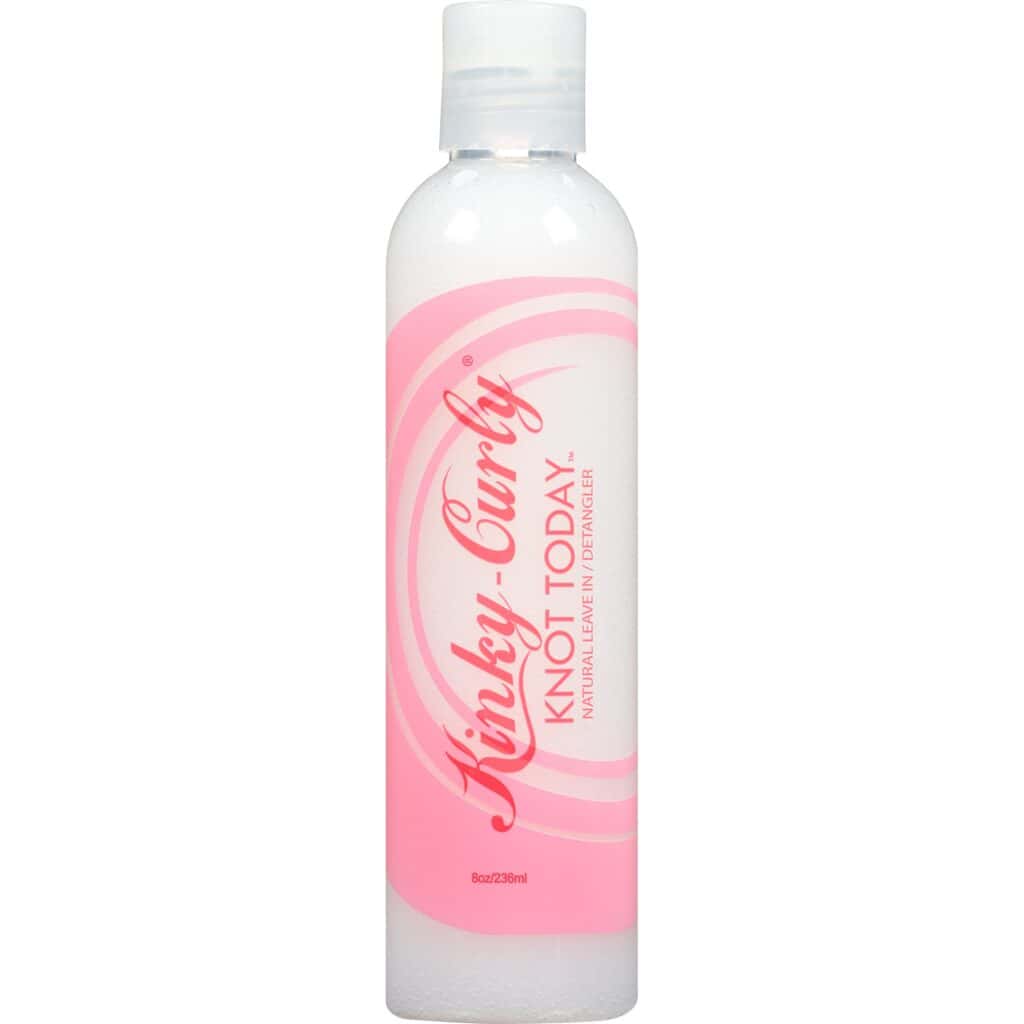
After wetting your hair, apply a small amount of conditioner or leave-in. Focus on the mid-lengths and ends; these areas tend to dry out the fastest. This creates a light barrier that helps slow down chlorine absorption.


Not Your Mother’s Curl Talk Leave-In
Affordable, balanced moisture for most curl types
Kinky-Curly Knot Today
Lightweight detangler with great slip
Cantu Weightless Leave-in
Slightly richer option without heavy buildup
Step 3: Use a Protective Style

Simple styles can make a big difference.
- Loose braids
- Buns
- Twists
These help:
- Reduce tangling
- Keep hair manageable
- Limit exposure
If you’re wearing a swim cap, braids are especially helpful because they sit closer to the scalp and are less likely to slip out.
Step 4: Should You Use a Swim Cap?
Swim caps can help, but they’re not completely waterproof.
They’re most useful if:
- You swim frequently
- You have long or thick hair
- Your hair is color-treated
Even without a cap, prepping your hair first still makes a noticeable difference.
If you decide to use a swim cap, here are a few options depending on your hair type and comfort level:


Large Silicone Cap
Extra room helps fit braids, curls, or bulky styles without pulling too tight.
Fabric Swim Cap
More breathable and easier to wear, but offers the least water protection.
Standard Swim Cap
A simple cap that helps reduce exposure to pool water.
What to Do While Swimming
If you’re spending a long time in the pool, small adjustments can help.
- Rinse your hair with fresh water when possible.
- You can also reapply a small amount of leave-in if needed.
These steps help reduce how long chlorine sits on your hair. If you’re in the pool for extended periods, using a swimmer ‘s-specific product can also help reduce buildup and make post-pool care easier.

Malibu C Swim Spritz Crystals
Optional for longer swim days to help reduce chlorine buildup and make post-swim care easier.
What to Do After Swimming for Curly Hair
What you do after swimming is just as important as how you prepare your hair beforehand. This is where you remove chlorine, restore moisture, and prevent long-term dryness and damage.
Step 1: Rinse Your Hair as Soon as Possible
The sooner you rinse, the less time chlorine has to sit on the hair. Even a quick rinse can help reduce dryness.
Step 2: Cleanse to Remove Chlorine
Follow with a gentle shampoo to remove chlorine and buildup. If you swim occasionally, your regular shampoo is usually enough. If you’re in the pool more often, a swimmer-specific shampoo can help remove buildup more effectively.
Step 3: Condition or Deep Condition
After cleansing, restore moisture with a conditioner or deep conditioner.
This step helps:
- Rehydrate the hair
- Improve softness
- Reduce tangling
If your hair feels especially dry, a deep conditioner is a better option.
If you’re not sure what to use, I share some of my favorite moisturizing options in my deep conditioners guide.
If you swim frequently, using swimmer-specific products can help remove chlorine buildup more effectively and keep your hair from feeling dry over time.
These products are optional and depend on how often you’re in the pool. For example, I personally use the treatment packets only during the summer when I’m swimming more often, and adjust based on how often my hair is exposed to pool water.


Malibu C Swimmers Wellness Remedy Packets
Best for occasional swimmers who need a quick reset
Malibu C Swimmers Shampoo & Conditioner
Best for regular swimmers to help remove buildup and maintain moisture
Malibu C Swimmers Summer Essentials Kit
Best for frequent swimmers who want a complete routine.
You don’t need all of these; it really depends on how often you’re swimming and how your hair responds to chlorine.
What If You Don’t Have Access to a Shower?
If you’re at a public pool or traveling, you may not always have access to a shower.
In that case:
- Rinse your hair with bottled water
- Apply a leave-in conditioner
- Wash your hair properly once you get home
This helps prevent chlorine from sitting on the hair for too long.
Why You Shouldn’t Let Chlorine Sit Overnight
Try not to go to bed with chlorine still in your hair. The longer it sits, the more it continues to dry out the strands. If possible, rinse and cleanse your hair the same day.
Pool Day Routine for Toddlers and Kids
For kids, keep the routine simple.
- Wet the hair before swimming
- Use a light leave-in conditioner
- Avoid heavy styling
If their hair is longer, braids or buns can help reduce tangling.
The goal isn’t perfect styling, it’s protecting the hair and making detangling easier later.

So Cozy Kids Swim Leave-In Conditioner
Lightweight, kid-friendly formula designed to help protect hair from chlorine and make detangling easier.
Common Pool Day Hair Mistakes to Avoid
- Skipping pre-pool prep
- Using too many heavy products
- Not cleansing after swimming
- Letting chlorine sit overnight
Small steps make a big difference over time.
Curly Hair Swimming Routine FAQs
Can chlorine damage curly hair?
Yes. Chlorine strips moisture and can lead to dryness, frizz, and breakage over time.
Do swim caps fully protect hair?
No. They help reduce exposure, but they’re not completely waterproof.
Should I wash my hair after every swim?
If possible, yes, especially if you swim frequently.
What if I swim every day?
Focus on consistent cleansing and regular deep conditioning to prevent buildup and dryness.
How do I protect color-treated hair in the pool?
Prep your hair before swimming, use a swim cap when possible, and restore moisture afterward.
Final Thoughts
Protecting your hair on pool days doesn’t have to be complicated.
Simple steps like wetting your hair first, adding a protective layer, and rinsing afterward can make a big difference in how your curls look and feel.
Consistency matters more than perfection.
And the better you prep your hair before the pool, the easier it will be to maintain healthy curls over time.
New to curly hair? Start with my curly hair resource guide.
Let’s Make Inbox Magic
Join my circle to unlock the Curly Mama Freebie Library, your all-access pass to printables, checklists, and resources made for busy moms and curly hair lovers.
Already subscribed? Click here to access the Freebie Library.