Clarifying Shampoo for Curly Hair: What It Does, When to Use It, and Who Needs It
Product images are sourced from the official brand websites or authorized retailer listings for identification purposes. This post may contain affiliate links, which means I may earn a small commission if you purchase them at no extra cost to you. All opinions are my own. See my full disclosure here.
Clarifying shampoo can be a useful part of a curly hair routine, but figuring out when to use it isn’t always straightforward.
Use it too frequently for your hair and cleanser, and your curls may feel drier or rougher than you would like. Avoid thorough cleansing when you actually have significant buildup, and your hair may begin to feel coated or weighed down.
The answer isn’t necessarily to follow a strict clarifying schedule.
Instead, it helps to understand what clarifying shampoo does, what can contribute to buildup, and how your own routine affects how often you may need a more thorough cleanse.
What Does Clarifying Shampoo Do?
A clarifying shampoo is used for a more thorough cleanse when residue has accumulated on the hair and scalp.
Regular shampoo already plays an important role in removing oil, dead skin, and accumulated hair products. Dermatologists also recommend shampooing based on the needs of your hair and scalp rather than avoiding cleansing simply because your hair is curly or textured.
A shampoo marketed as clarifying generally serves as a more intensive cleansing option within that routine. Depending on the formula, it may be useful when your normal cleanser isn’t adequately removing the residue left behind by your styling and maintenance routine.
That doesn’t mean clarifying shampoo has to replace your regular shampoo. Think of the two as cleansers that can serve different purposes.
Clarifying Shampoo vs. Regular Shampoo
| Regular Shampoo | Clarifying Shampoo | |
|---|---|---|
| Main purpose | Routine cleansing | More thorough removal of accumulated residue |
| When to use it | Regular wash days | When your routine calls for a deeper cleanse |
| What it may help remove | Oil, sweat, dead skin and routine product residue | More persistent product buildup and residue |
| How often | Based on your regular cleansing needs | Based on your routine, buildup and the specific formula |
What Causes Buildup on Curly Hair?
Buildup isn’t exclusive to curly hair, but curly hair routines can involve several layers of products. Depending on your routine, you might use a leave-in conditioner followed by a styling cream, gel, mousse, oil, or finishing product. On other days, you might add heat protectant, dry shampoo, or another product without starting over with freshly washed hair.

But hair products aren’t the only things that can accumulate between wash days. Your scalp naturally produces oil and sheds skin cells, while sweat from exercise, hot weather, or everyday activity can mix with oil and products already on the hair and scalp.
Some common contributors include:
- Styling creams, gels, and mousses
- Oils and butters
- Silicone-containing products
- Waxes and heavier styling products
- Heat protectants
- Dry shampoo
- Repeated product layering
- Scalp oil and sweat
- Longer periods between washes
- Frequent workouts or activities that leave the scalp sweaty
Wearing hats, scarves, helmets, wigs, or other head coverings can also affect how your scalp feels between washes, particularly when you’re sweating underneath them. Rather than treating the head covering itself as “buildup,” consider how your lifestyle may change your cleansing needs.
Dry shampoo is a particularly good example of why regular cleansing still matters. It can absorb oil and make hair look or feel less oily temporarily, but it doesn’t actually clean the scalp in the same way as shampoo and water. The dry shampoo itself can also accumulate on the hair and scalp.
How quickly buildup becomes noticeable depends on much more than whether your hair is curly. The products you use, how much you apply, how often you exercise or sweat, how frequently you style, and how long you go between washes can all change the equation.
Product Buildup vs. Hard Water Buildup
This distinction is important because product buildup and mineral buildup aren’t necessarily the same problem.
When people talk about clarifying, they’re often referring broadly to removing residue from styling products, oils, and other things that have accumulated on the hair.
Hard water introduces another consideration: mineral deposits.
You may see products specifically described as chelating, hard-water, mineral-removing, or swimmer’s shampoos or treatments. These are formulated with mineral-related buildup in mind.
That means you shouldn’t assume that every bottle labeled clarifying shampoo is automatically designed to address hard-water minerals to the same degree.
If hard water is an ongoing concern, my Hard Water and Curly Hair guide explains how mineral buildup can affect your hair and what to look for in your routine.
Swimming can introduce its own cleansing considerations. You can also see my Curly Hair Pool Routine and Curly Hair Beach Routine for how I approach protecting and cleansing curly hair around chlorine, salt water, and swimming.
The important thing is to read what a cleanser is actually formulated to remove rather than relying on the word clarifying alone.
Signs Your Curly Hair May Need Clarifying
Buildup isn’t always something you can immediately see. Sometimes the first clue is simply that your hair isn’t behaving the way it normally does.

- Your hair feels coated or unusually heavy: Your curls may feel as though there is a layer sitting on them, or your hair may become weighed down more easily than usual.
- Your usual styling routine isn’t performing the same way: A gel that normally gives you definition may suddenly seem less effective. Your curls may have less volume, movement or hold even though you haven’t intentionally changed your routine.
- Your hair looks dull: Accumulated residue can be one factor to consider when hair no longer looks or feels the way it normally does.
- Your regular shampoo doesn’t seem to be enough: If you’re washing your hair but still consistently noticing a coated feeling or persistent product residue, it may be time to consider whether your routine needs a more thorough cleanse.
- You’ve been layering more products than usual: A period of heavier styling, frequent refreshing, protective styling or repeated use of products between washes can change your cleansing needs.
However, none of these signs proves by itself that buildup is the problem.
Weather, humidity, water quality, damage, styling technique and changes elsewhere in your routine can also affect how your curls look and feel. Clarifying is something to consider, not a diagnosis for every bad wash day.
There isn’t one curl type or porosity that automatically determines whether you need a clarifying shampoo. Your cleansing needs are influenced by your routine, the products you use, how often you wash, and whether your regular shampoo adequately removes what accumulates on your hair and scalp.
The better question isn’t necessarily “Does my type of curly hair need clarifying?” but “Is my current cleansing routine adequately removing what I’m putting on my hair and scalp?”
Does Hair Porosity Affect How Often You Should Clarify?
Porosity can be useful for understanding certain aspects of how your hair interacts with water and products, but porosity alone shouldn’t determine your clarifying schedule.
You may hear that low-porosity hair automatically needs more frequent clarifying because products remain on its surface, while high-porosity hair can go longer because it absorbs more product.
In practice, that’s too simple to use as a universal rule.
Two people with similar porosity can use completely different products, quantities and styling routines. They may also have different wash frequencies, hair densities, water conditions and cleansing preferences.
Instead of deciding:
“I have low-porosity hair, so I have to clarify every two weeks.”
Look at the bigger picture.
Your porosity is one characteristic of your hair. Your routine tells you much more about what you’re regularly asking your shampoo to remove.
Related: Hair Porosity Explained
How Often Should You Clarify Curly Hair?
There is no universal schedule for clarifying curly hair. How often you need it depends on your regular cleanser, the products you use, how much buildup you experience, and the clarifying shampoo itself.
If you’re new to clarifying, once a month can be a reasonable starting point, but it isn’t a rule. Follow the product’s directions and adjust based on how your hair responds.
If your hair consistently feels overly dry or rough afterward, you may be clarifying too frequently or using a cleanser that isn’t a good fit for your hair.
How to Use Clarifying Shampoo in a Curly Hair Routine
You don’t necessarily need one shampoo to perform every type of cleansing. A simple rotation might look something like this:
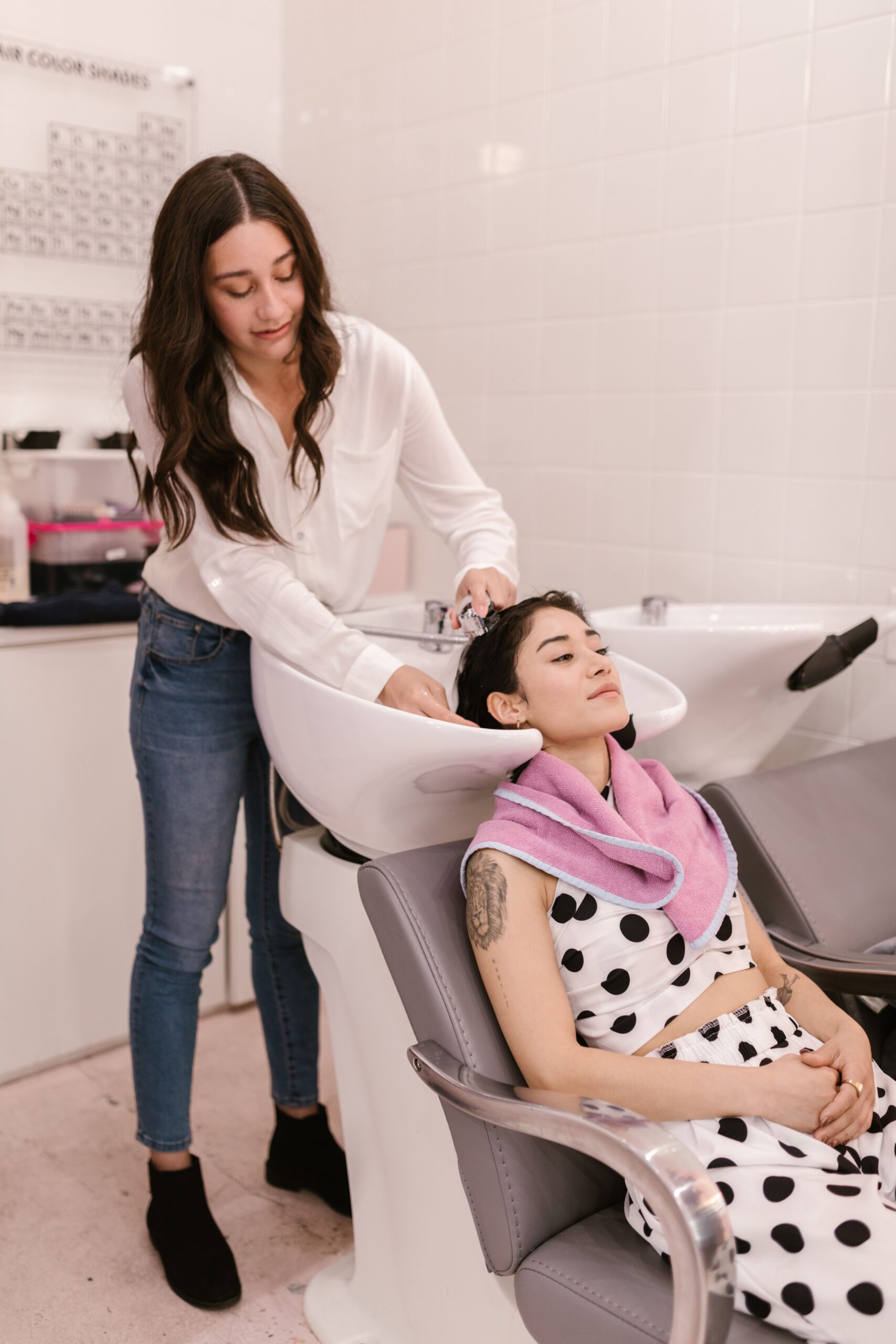
Regular Wash Day
Regular shampoo + conditioner + styling products
Use your regular cleanser for routine wash days when it’s adequately cleansing your hair and scalp.
When You Have More Buildup
Clarifying shampoo + conditioner + styling products
Bring in your clarifying shampoo when you need a more thorough cleanse.
When Mineral Buildup Is the Concern
Appropriate mineral-removing or chelating product + conditioner + styling products
If hard water or swimming is the primary issue, choose a product specifically intended for that purpose and follow its directions.
This isn’t a rule that everyone needs to own three different shampoos.
The point is simply that different cleansers can have different jobs.
Related: How to Build a Curly Hair Routine That Actually Makes Sense
What Should You Do After Clarifying?
Condition your hair.
Conditioner helps moisturize and detangle the hair after shampooing, and dermatologists specifically recommend conditioning after washing.
That doesn’t mean you automatically need to use a deep conditioner every time you clarify.
For some wash days, your regular conditioner may be enough. At other times, you may prefer a deep conditioner based on how your hair feels and what else you’ve been doing to it.
The goal is to cleanse, condition and move on with a balanced routine.
Clarifying Shampoos for Curly Hair
Not every clarifying shampoo is designed to address the same cleansing needs. Some are useful for occasional product buildup, while others are positioned for deeper cleansing or concerns such as hard-water minerals and chlorine. The options below are grouped by the type of cleansing need they may be most useful for, based on how the brands describe and recommend their products.
For Occasional Product Buildup
If your regular shampoo generally works well but your hair occasionally starts to feel coated, heavy, or less responsive to your styling products, you may not need the most intensive cleanser available. These options are designed to provide a more thorough cleanse when your usual routine needs a reset.
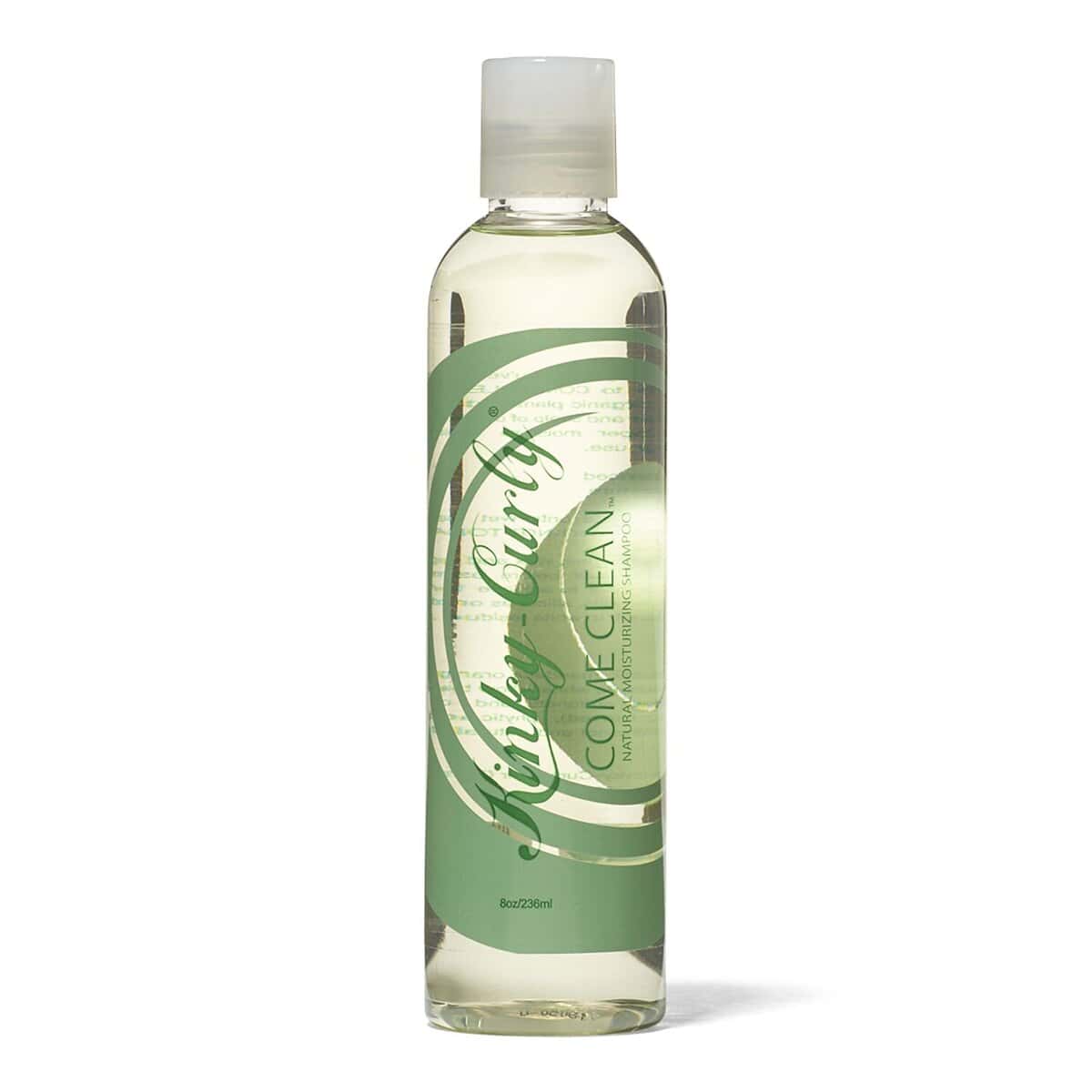
Kinky-Curly Come Clean Shampoo
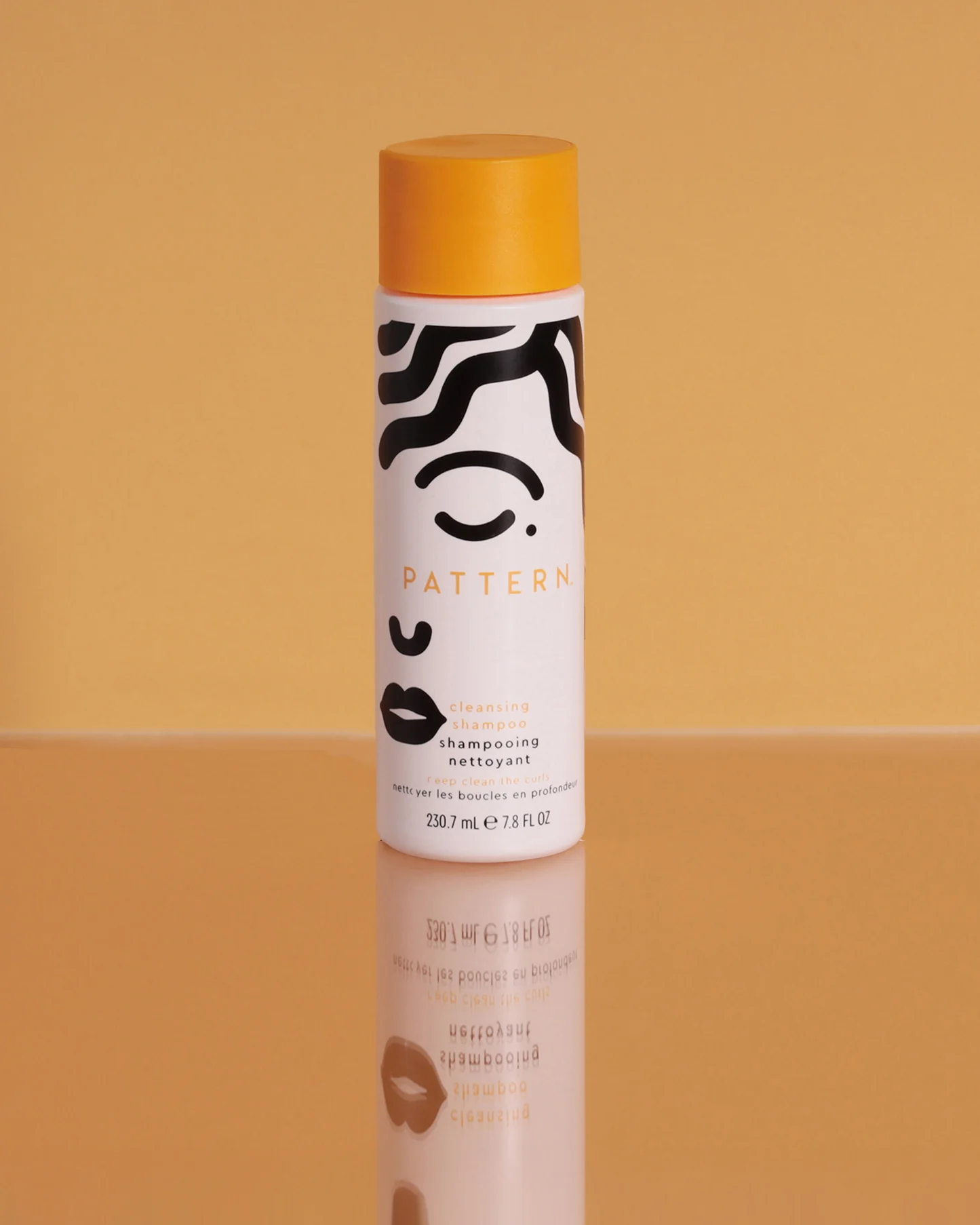
PATTERN Cleansing Shampoo
For a Gentler Clarifying Cleanse
A more thorough cleanse doesn’t necessarily have to leave your hair feeling stripped. If you’re concerned about dryness or simply want a clarifying option designed with a gentler cleansing experience in mind, this may be a better place to start.
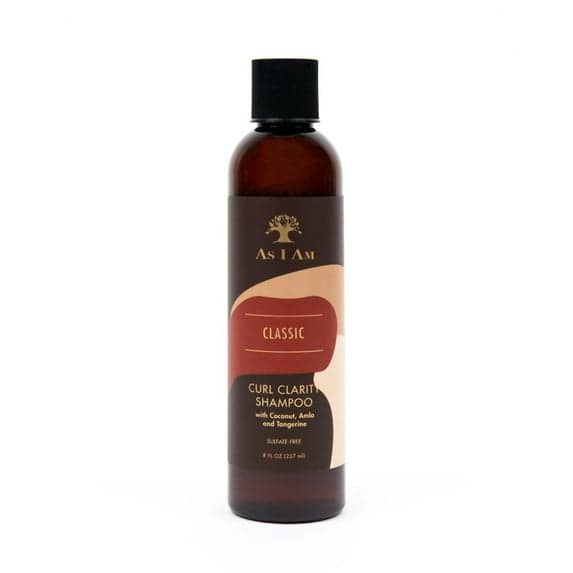
As I Am Curl Clarity Shampoo
For Heavier Buildup
If you regularly use multiple styling products, dry shampoo, oils or other products that can accumulate between washes, you may occasionally want a cleanser designed for a more intensive reset.
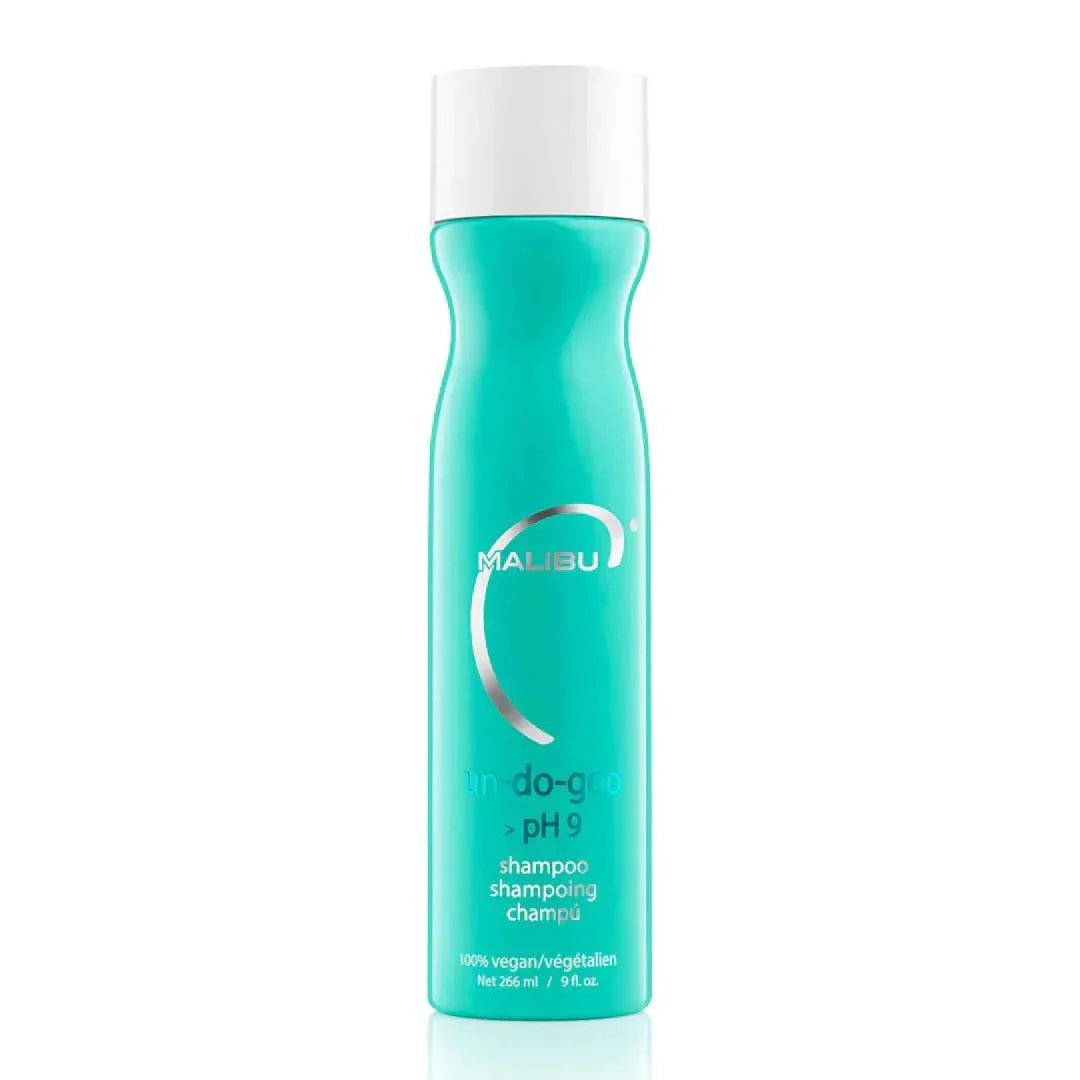
Malibu C Un-Do-Goo Shampoo
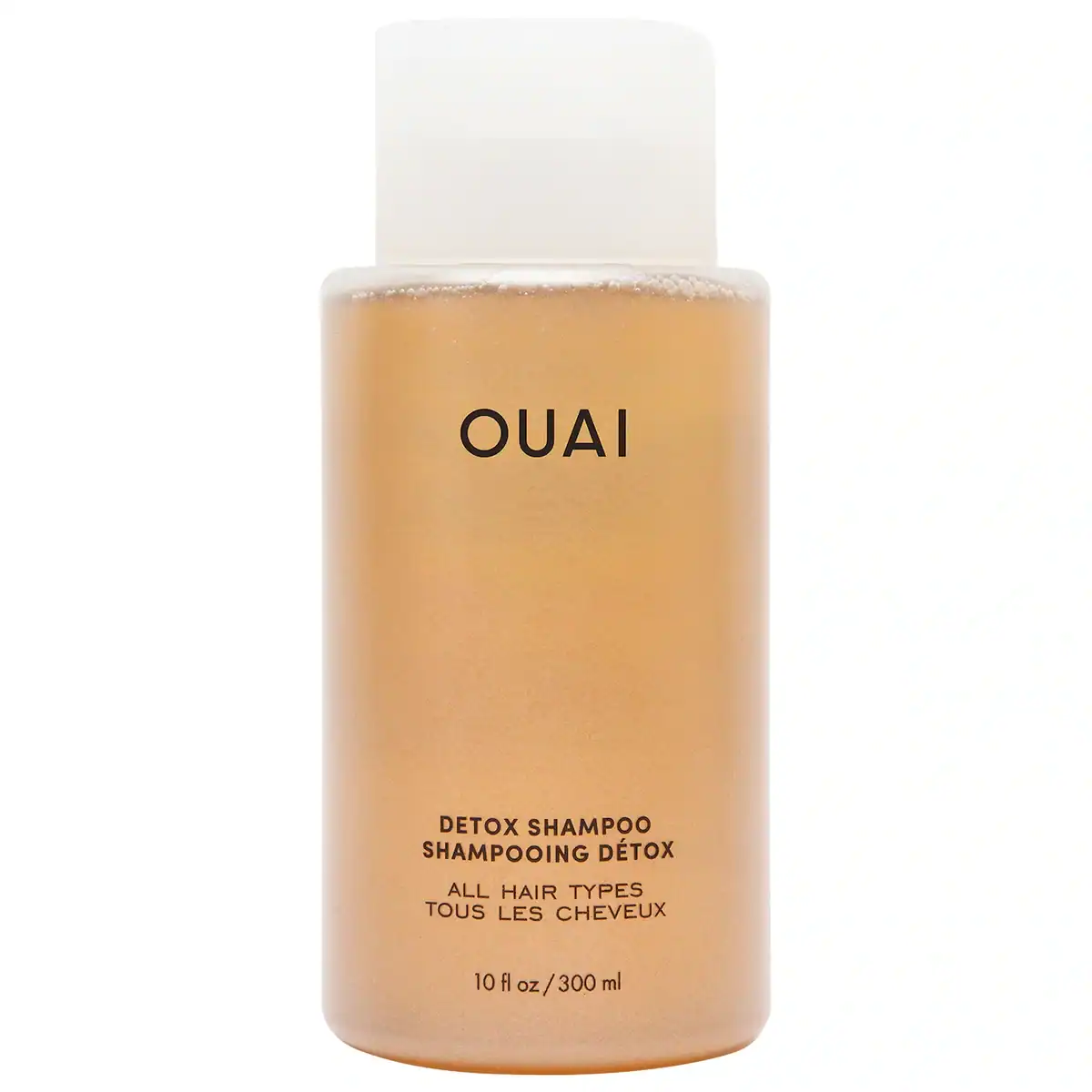
OUAI Detox Shampoo
For Hard Water or Swimming
When minerals or chlorine are the primary concern, look beyond the word clarifying and check what the product is actually formulated to remove. A cleanser specifically marketed for hard water, mineral deposits or chlorine may be more appropriate than a general-purpose clarifying shampoo.
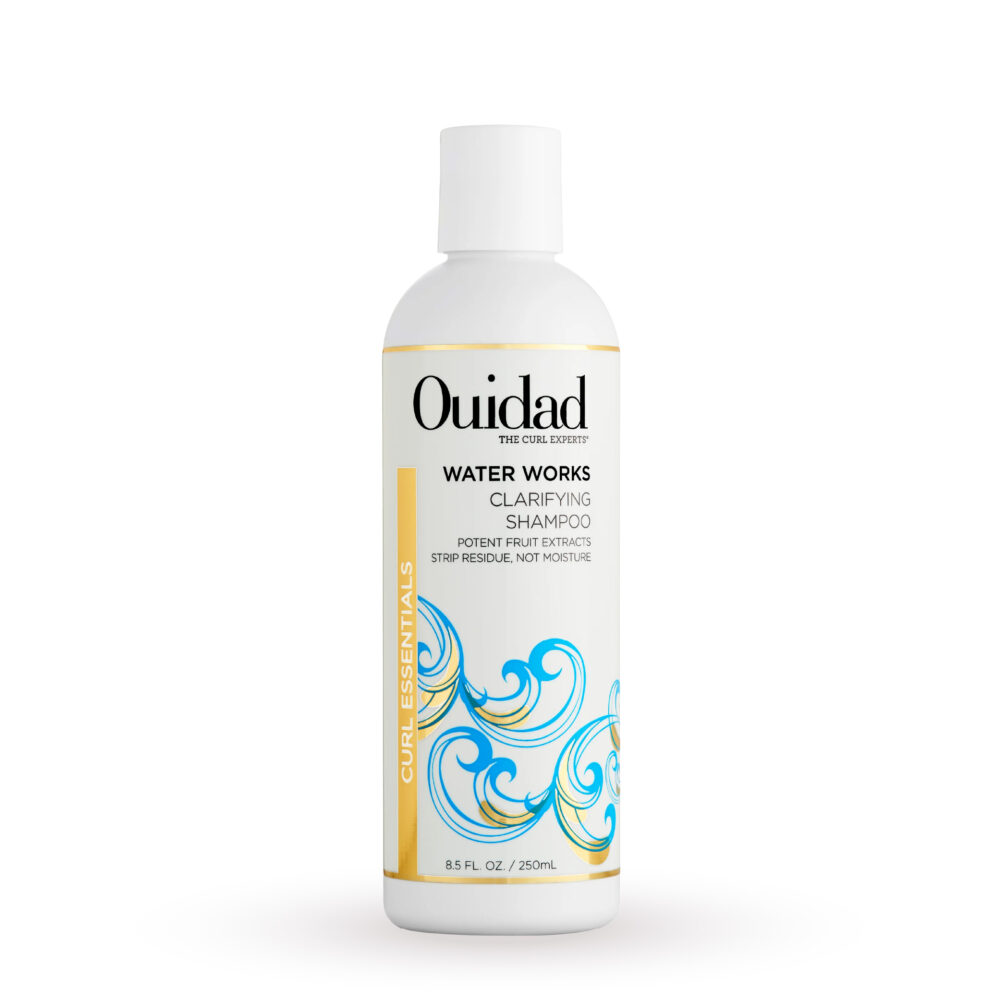
Ouidad Water Works Clarifying Shampoo
How to Choose a Clarifying Shampoo
You don’t have to choose a clarifying shampoo based on curl type alone. Start by asking what you actually need the shampoo to do.
Look at:
- What the manufacturer says the shampoo is designed to remove
- Whether it’s intended for routine cleansing, occasional clarifying or mineral-related buildup
- How frequently the brand recommends using it
- The types and amount of styling products you regularly use
- How your hair and scalp respond after cleansing
If you’re curious about a product but aren’t sure whether it belongs in your routine, check whether the brand offers a travel size or sample.
That gives you an opportunity to try the cleanser before committing to a full-size bottle.
Quick Checklist: Do I Need to Clarify My Hair?
If you’re wondering whether it’s time for a more thorough cleanse, consider what has been happening in your routine.
- My hair feels unusually coated or heavy.
- My regular shampoo isn’t adequately removing accumulated product.
- My normal styling routine suddenly isn’t performing the way it usually does.
- I’ve been layering more styling products than usual.
- I’ve been using products that tend to leave more persistent residue on my hair.
- I’ve gone longer between thorough washes or repeatedly refreshed my hair between washes.
- My hair seems to respond better after a more thorough cleanse.
If hard water or swimming is the main concern, look specifically at whether a mineral-removing or chelating product is more appropriate for what you’re trying to remove.
Save this checklist: Screenshot it and use it the next time you’re trying to decide whether your curls need clarifying or whether something else in your routine may have changed.
FAQs About Clarifying Shampoo for Curly Hair
How do I know if my curls have buildup?
A coated or unusually heavy feeling, persistent residue, or a familiar styling routine suddenly performing differently can all give you a reason to investigate buildup. However, those changes can have other causes, so consider the rest of your routine too.
Should I deep condition after clarifying?
Not necessarily. You should condition after shampooing, but whether you need your regular conditioner or a deeper treatment depends on your hair and the cleanser you used.
Is clarifying shampoo the same as chelating shampoo?
Not necessarily. Clarifying generally refers to more thorough cleansing of accumulated residue, while products designed to chelate are specifically formulated to interact with mineral deposits. If hard water is your concern, look for a product specifically intended for mineral buildup rather than assuming every clarifying shampoo serves that purpose.
Can clarifying shampoo remove silicones?
That depends on the specific silicone and the specific cleanser, so I wouldn’t use a blanket rule that curly hair needs a special clarifying shampoo simply because a product contains silicones. Instead, look at whether your regular cleansing routine is adequately removing residue and follow the directions for the products you’re using.
Final Thoughts
Clarifying shampoo doesn’t need to be complicated.
It serves a purpose: giving your hair and scalp a more thorough cleanse when your regular routine isn’t adequately addressing accumulated residue.
How often that needs to happen will depend on what you put on your hair, how often you wash it, the cleansers you use and how your hair responds.
Instead of clarifying simply because a schedule says it’s time, pay attention to what your hair is telling you and what the product you’re using is actually designed to do.
Use clarifying shampoo for a reason, not simply because curly-hair rules tell you that you’re supposed to.
Let’s Make Inbox Magic
Join my circle to unlock the Curly Mama Freebie Library, your all-access pass to printables, checklists, and resources made for busy moms and curly hair lovers.
Already subscribed? Click here to access the Freebie Library.