5 Protective Styling Myths That Could Be Damaging Your Hair
Protective styles have become one of the most popular ways to care for curly hair. From braids and twists to wigs and weaves, many people use them to reduce daily styling, retain length, and simplify their routines.
But simply wearing a hairstyle labeled “protective” doesn’t automatically mean it’s protecting your hair.
Many of the most common beliefs about protective styling are oversimplified or misunderstood. In some cases, following these myths can actually lead to increased breakage, scalp discomfort, and unnecessary damage.
In this guide, we’ll separate fact from fiction so you can better understand what makes a protective style truly protective.
What Makes a Protective Style Protective?
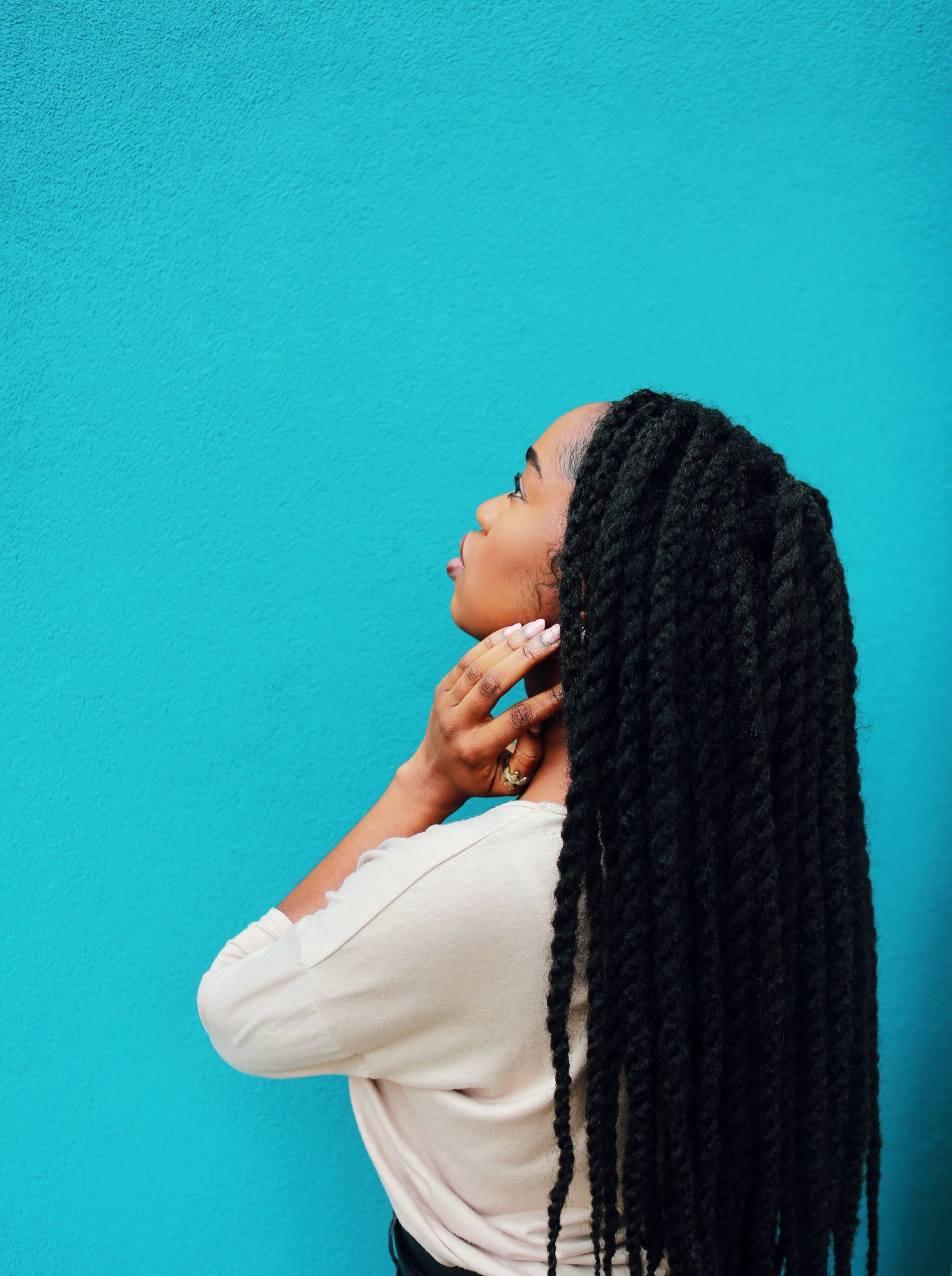
A protective style is designed to reduce daily manipulation, protect the ends of your hair, and minimize unnecessary breakage. By limiting how often your curls are brushed, detangled, or restyled, protective styles can help many people retain more of the hair they naturally grow.
However, the hairstyle itself isn’t what determines whether it’s protective.
How it’s installed, maintained, and removed all play an important role.
A loose twist that’s properly cared for may protect your hair far better than tightly installed braids that leave your scalp sore. Likewise, even the best protective style can become damaging if it’s neglected for too long.
Instead of asking whether a hairstyle is protective, it’s often more helpful to ask whether it’s reducing stress on your hair and scalp.
Myth #1: If It’s Called a Protective Style, It Can’t Cause Damage
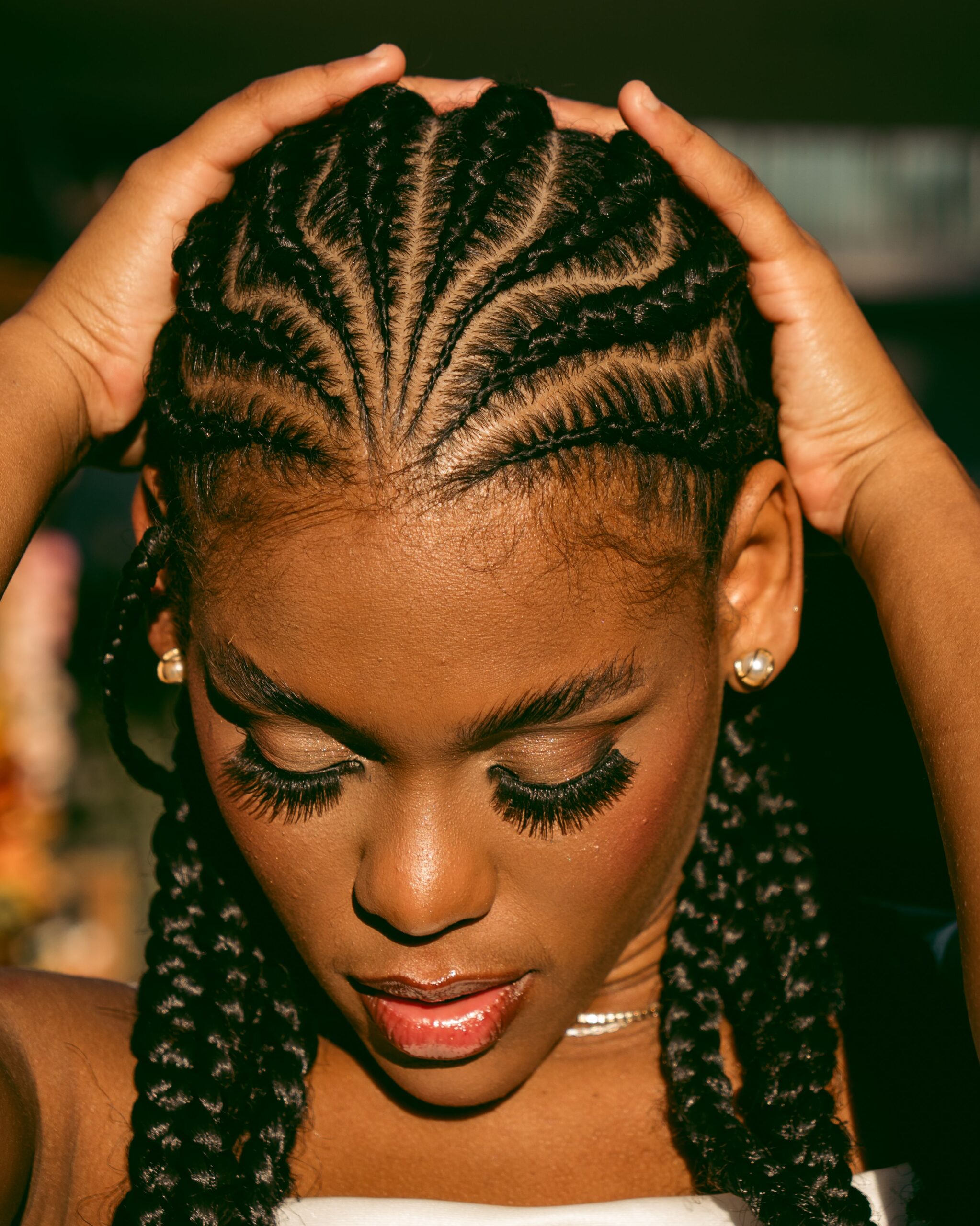
This is one of the biggest misconceptions surrounding protective styling. A hairstyle doesn’t become protective simply because of its name.
If a style is installed with excessive tension, pulls on your hairline, or causes your scalp to feel sore, it may be placing more stress on your hair than everyday styling would.
Over time, excessive tension can contribute to breakage around the edges and, in some cases, traction alopecia.
Signs a Protective Style May Be Too Tight
- Persistent scalp soreness
- Headaches after installation
- Small bumps around the hairline
- Redness or irritation
- Difficulty sleeping because of discomfort
A protective style should feel secure, but it shouldn’t hurt. If your scalp is telling you something is wrong, it’s worth listening.
Myth #2: The Longer You Leave It In, the Better
Many people assume that leaving protective styles in for months will produce even better results.
In reality, your hair doesn’t stop growing just because it’s tucked away. Your scalp continues producing oil. Hair continues shedding naturally every day. Product buildup continues accumulating.
If protective styles remain installed for too long without proper maintenance, those naturally shed hairs can become tangled around the style, making removal more difficult and increasing the risk of breakage.
Rather than aiming to keep a style in for as long as possible, focus on maintaining it properly and removing it before excessive buildup and tangles develop.
The ideal amount of time varies depending on the style, your hair, and how well you maintain it.
Myth #3: Protective Styles Make Your Hair Grow Faster
Protective styles don’t change how quickly your hair grows.
Hair growth happens beneath the surface of the scalp and is influenced by factors such as genetics, overall health, hormones, and nutrition.
What protective styles can do is help reduce everyday breakage. When fewer strands break off during detangling, brushing, or styling, you’re able to retain more of the length you’ve already grown.
This is known as length retention.
For many people, it can appear as though their hair is growing faster when, in reality, they’re simply keeping more of their natural growth.
Myth #4: You Don’t Need to Wash Your Hair
Another common misconception is that your scalp doesn’t need cleansing while your hair is in a protective style.
Your scalp continues functioning normally regardless of how your hair is styled. It still produces oil. You still sweat. Product buildup still accumulates.
Keeping your scalp clean remains an important part of maintaining healthy hair.
Exactly how you cleanse your hair will depend on the type of protective style you’re wearing, but avoiding washing altogether for weeks or months usually isn’t the healthiest approach.
A clean scalp creates a healthier environment for your hair while also helping reduce buildup, flakes, and itching.
Myth #5: One Protective Style Works for Everyone
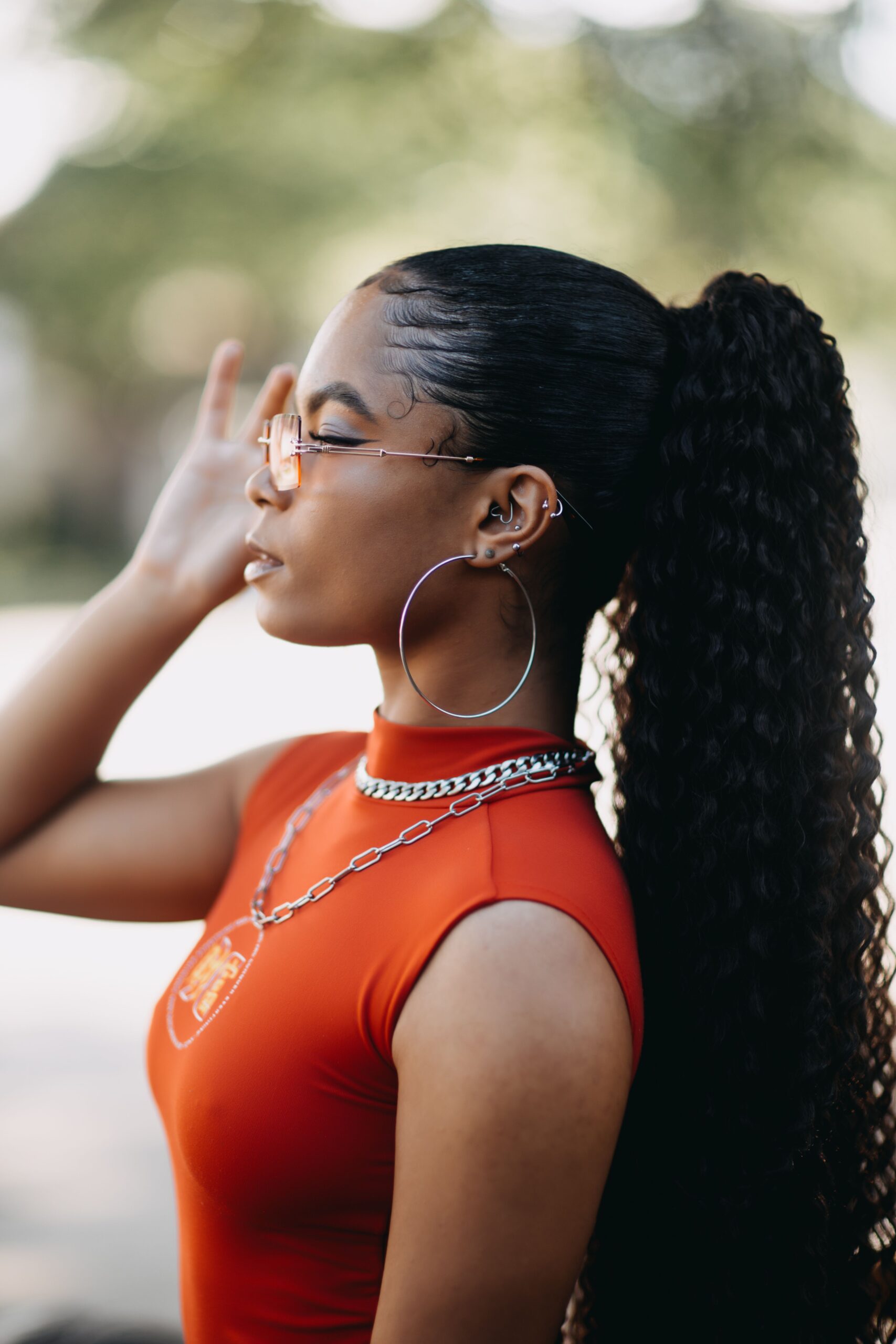
There isn’t one protective hairstyle that’s perfect for everyone.
Your hair density, strand thickness, curl pattern, lifestyle, and personal preferences all influence which styles are most suitable for you.
For example, someone who exercises frequently may prioritize styles that are easier to cleanse and refresh.
Someone with fine strands may find that certain heavy extensions create too much tension.
Others may prefer simple buns or twists that require minimal installation and are easy to maintain.
Even popular options like weaves, wigs, braids, and twists still require regular maintenance and healthy hair care underneath. No hairstyle remains protective forever.

Common Protective Styling Mistakes
Even with the best intentions, small habits can reduce the benefits of protective styling.
Some of the most common mistakes include:
- Installing styles too tightly.
- Leaving styles in for too long.
- Skipping scalp care and cleansing.
- Forgetting to protect hair while sleeping.
- Removing styles too quickly without detangling.
- Ignoring signs of irritation or discomfort.
Protective styling works best when it’s part of an overall healthy hair care routine rather than a substitute for one.
Products That Can Help Maintain Protective Styles
Having the right tools can make maintaining protective styles much easier. Some helpful essentials include:
- Satin bonnet or satin pillowcase
- Spray bottle for refreshing curls
- Sulfate-free shampoo
- Lightweight leave-in conditioner
- Wide-tooth comb
- Hair clips for sectioning
- Detangling brush
- Silk scrunchies
I’ve also put together an Amazon list of my favorite protective styling essentials if you’re looking for products to support your routine.
Frequently Asked Questions
Do protective styles help hair grow?
Protective styles don’t make your hair grow faster. Instead, they can help reduce breakage so you retain more of the hair you naturally grow.
How long should I leave a protective style in?
There’s no universal timeline. The best duration depends on the hairstyle, your maintenance routine, your scalp health, and the amount of buildup that develops over time.
Should you wash your hair while wearing protective styles?
Yes. Your scalp continues producing oil and accumulating buildup while your hair is in a protective style. The exact cleansing method will depend on the style you’re wearing.
Can protective styles damage your hair?
They can if they’re installed too tightly, left in for too long, or maintained improperly. A protective style should reduce stress on your hair rather than create it.
Final Thoughts
Protective styles can absolutely be part of a healthy curly hair routine, but they’re only one piece of the puzzle.
The real goal is reducing manipulation while continuing to care for your hair and scalp. When installed comfortably, maintained properly, and removed with patience, protective styles can help minimize breakage and support better length retention over time.
Choose styles that fit your hair, your lifestyle, and your maintenance routine rather than assuming one hairstyle works for everyone.
Looking for products to help maintain your protective styles? Browse my curated Protective Styling Essentials Amazon list for satin sleep accessories, detangling tools, gentle cleansers, and other products that can support a healthy protective styling routine.
Related Articles
- Heatless Hairstyles Can Still Damage Your Hair
- Beach Day Curly Hair Routine
- Pool Day Curly Hair Routine
- Curly Hair Resource Guide
Let’s Make Inbox Magic
Join my circle to unlock the Curly Mama Freebie Library, your all-access pass to printables, checklists, and resources made for busy moms and curly hair lovers.
Already subscribed? Click here to access the Freebie Library.