
How to Build a Fall Curly Hair Routine for Dry Air, Friction, and Changing Weather
Product images are sourced from the official brand websites or authorized retailer listings for identification purposes. This post may contain affiliate links, which means I may earn a small commission if you purchase them at no extra cost to you. All opinions are my own. See my full disclosure here.
Fall can be a strange transition for curly hair. One week may still feel warm and humid, while the next brings cooler temperatures and noticeably drier air.
As those conditions change, a routine that worked throughout the summer may start producing different results. Curls may feel rougher, ends may tangle more easily, or lightweight products may no longer provide enough moisture.
That doesn’t necessarily mean the entire routine needs to change. A good fall curly hair routine is often about making small adjustments as the weather changes and paying attention to what your hair actually needs.
Watch the Video:
Before You Start: Understand Your Hair
Seasonal routines work best when they’re adjusted to the hair rather than followed as a fixed formula. Porosity, density, strand thickness, styling habits, and climate can all affect how products perform.
If you’re still figuring out those characteristics, these guides can help:
- Seasonal Curly Hair Routines — Seasonal Curly Hair Routines and Frizz Control for Every Curl Type
- Hair Porosity — Hair Porosity Explained (And Why Yours Might Have Changed)
- Hair Density Explained — (Coming Soon)
- Curly Hair Resource Guide — Routines, Tips & Products
What Happens to Curly Hair in the Fall?
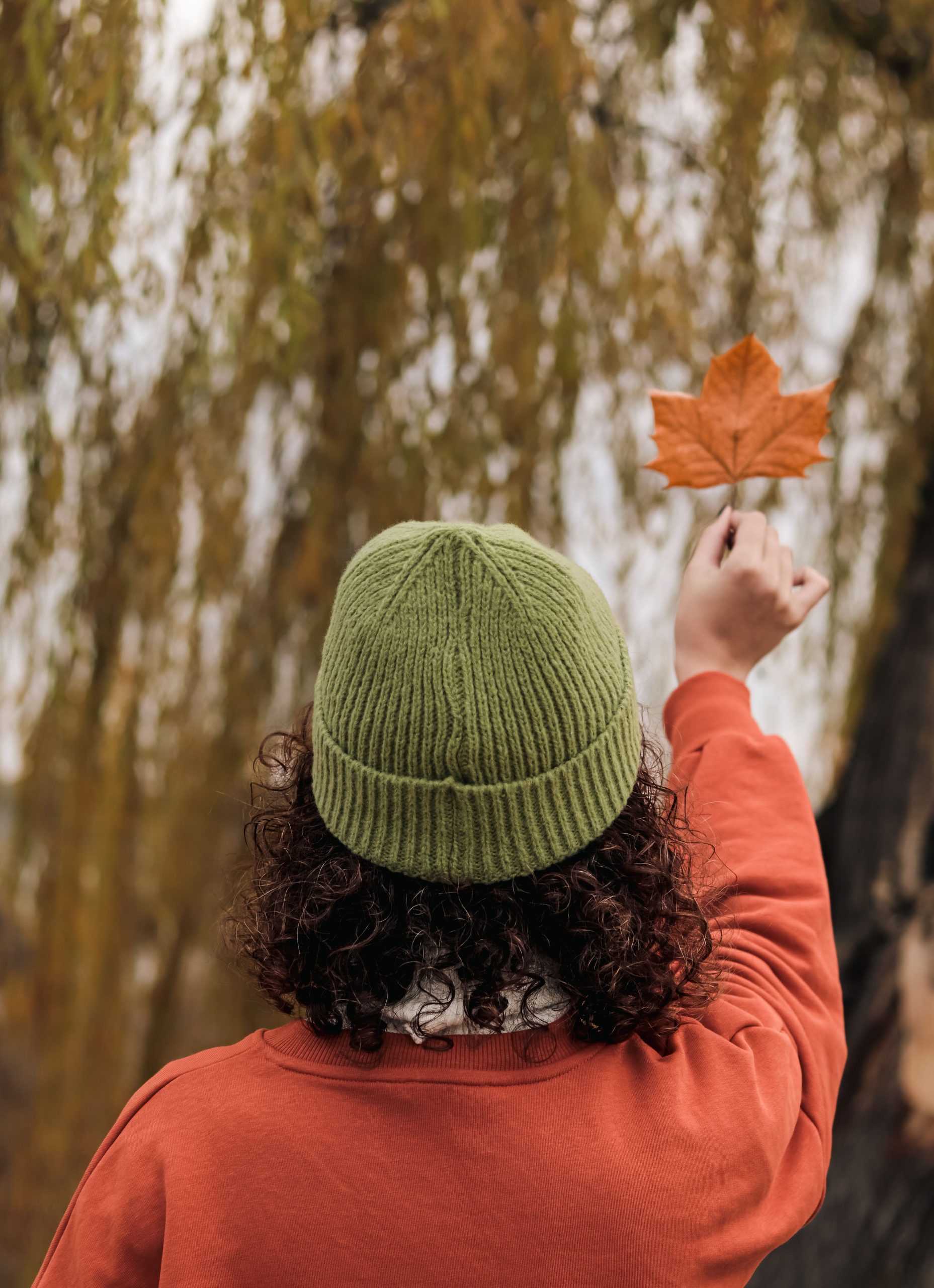
Fall is a transition season, which means hair may be exposed to very different conditions within a relatively short period of time.
As humidity begins to drop, some curls may actually hold their shape longer and experience less humidity-related frizz. At the same time, drier air can make it harder for hair to maintain the softness it had during warmer, more humid weather.
Indoor heating can introduce another source of dry air as temperatures fall.
Then there’s something that isn’t necessarily weather-related at all: friction.
Sweaters, scarves, hoodies, coats, and hats return to everyday wardrobes during fall. Hair rubbing repeatedly against these fabrics can contribute to tangling, frizz, and breakage, particularly around the ends and nape.
The combination of changing humidity, cooler temperatures, indoor environments, and fall clothing can make this a good time to reassess how a curly hair routine is performing.
Signs It’s Time to Change Your Summer Routine
There’s no specific date when a summer routine needs to become a fall routine. The hair itself can provide better clues.
It may be time to make an adjustment if:
- Your ends feel rougher or drier.
- You’re experiencing more tangles than usual.
- Your curls don’t feel as soft after styling.
- A lightweight summer leave-in no longer feels moisturizing enough.
- You’re noticing more frizz or tangling around the nape.
- Your scalp feels different as the weather cools.
- Your styles are behaving differently even though you’re using the same products.
If your summer routine is still working, there’s no reason to change it simply because the calendar says it’s fall.
But once the results begin changing, small adjustments can usually help.
Related:
How to Adjust Your Fall Wash Day
Summer routines often focus on managing humidity, sweat, buildup, and frequent exposure to heat or water. As fall arrives, the balance may begin shifting toward maintaining moisture.
That doesn’t mean cleansing should disappear.
Regular cleansing still removes product buildup, oil, sweat, and debris from the hair and scalp. The adjustment may instead happen with the conditioning side of the routine.
A lightweight summer conditioner may still work for some hair, while others may benefit from a more moisturizing conditioner or occasional deep-conditioning treatment.
The goal is to respond to the hair rather than automatically reaching for the richest product available.
Hair that remains soft and manageable after wash day may not need much additional conditioning. Hair that suddenly feels rough, tangles more easily, or loses softness quickly may benefit from more.
Related:
Build Your Fall Curly Hair Routine by Porosity
Porosity can provide a useful starting point when deciding how much moisture to introduce as the weather becomes drier.
These routines aren’t rigid rules. Product formulation, density, strand thickness, damage, climate, and styling preferences can all change what works best.
Low Porosity Fall Curly Hair Routine
Focus: Add moisture without creating unnecessary buildup.
Low porosity hair can be more resistant to absorbing water and products, so adding several heavy layers may leave the hair coated rather than better moisturized.
A starting routine could include:
- Gentle shampoo
- Lightweight moisturizing conditioner
- Lightweight leave-in conditioner
- Light styling cream, if needed
- Gel for definition and hold
If the hair already feels soft with leave-in and gel, adding a cream simply because the weather changed may not be necessary.
Product ideas:
Lightweight leave-in conditioners
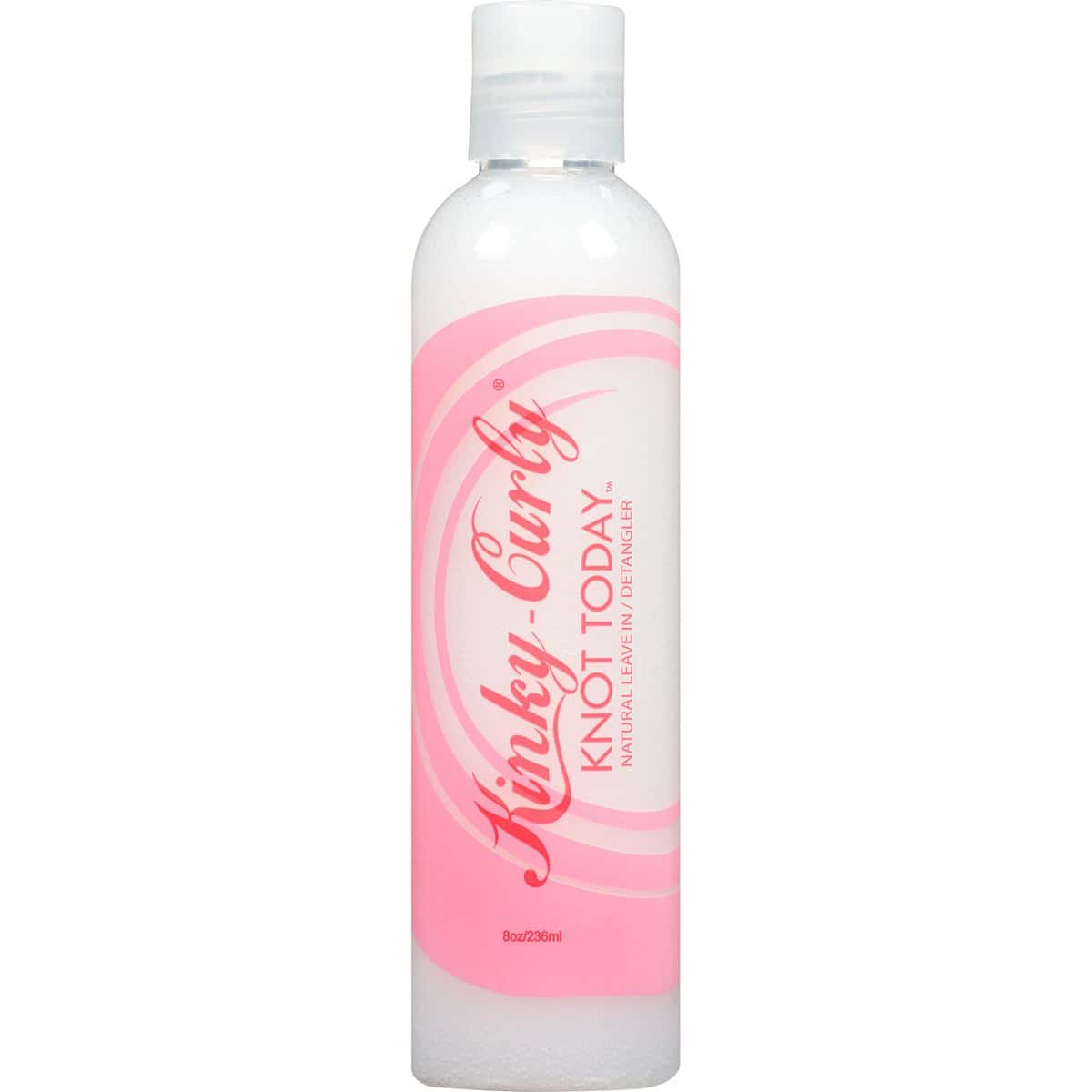
Kinky Curly Knot Today
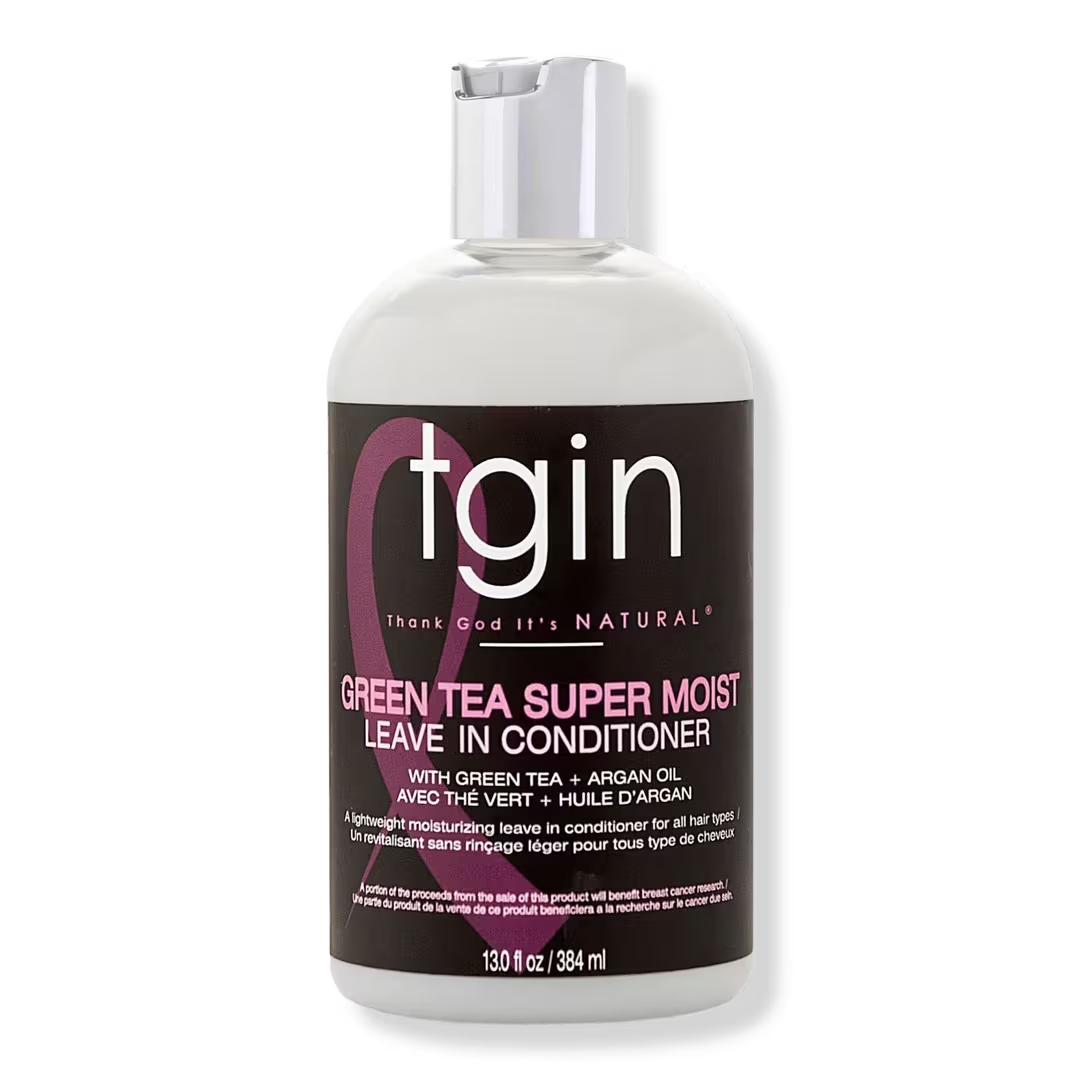
TGIN Green Tea Super Moist Leave-In Conditioner
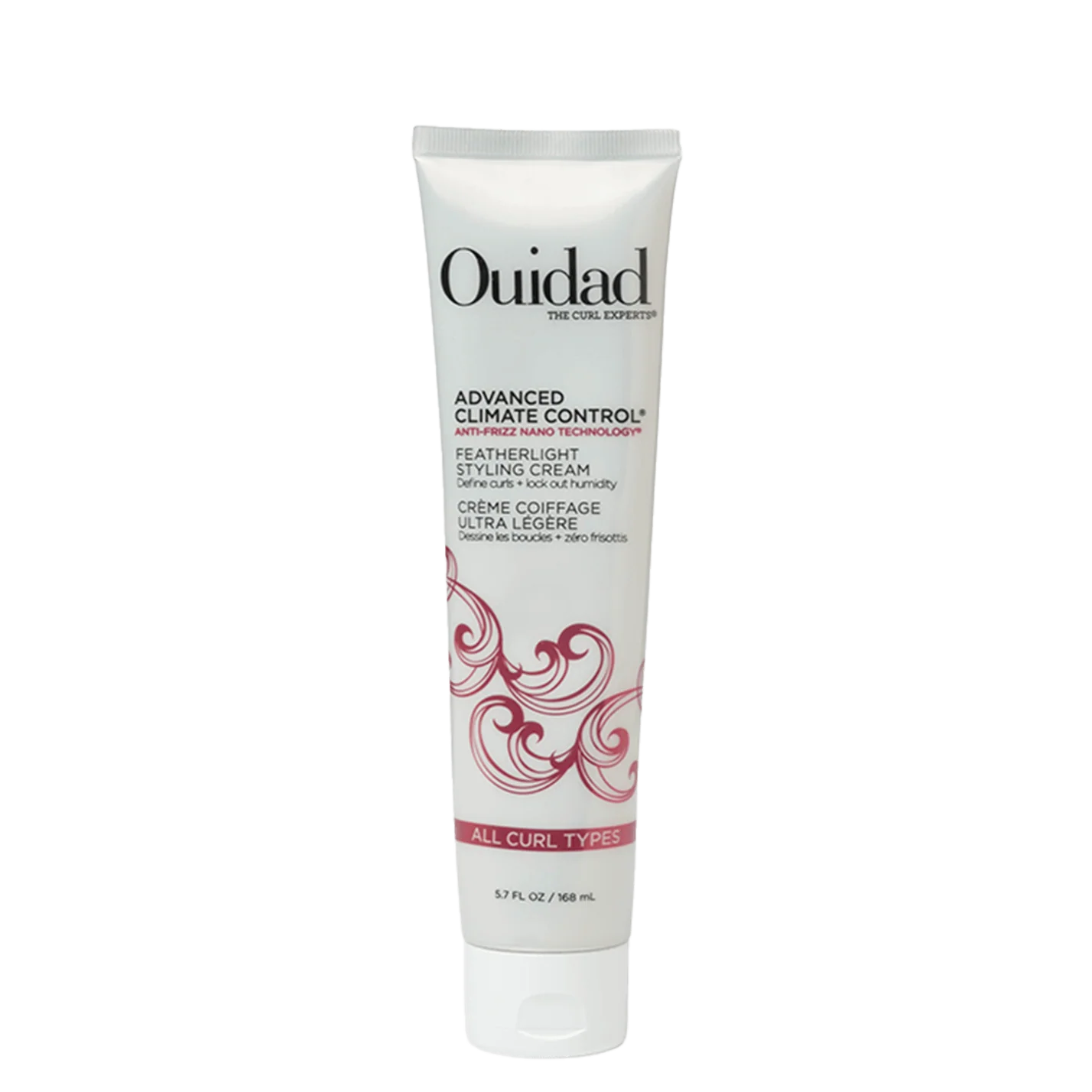
Lightweight styling creams
Verb Lightweight Curl Defining Cream

Ouidad Featherlight Styling Cream
Gels
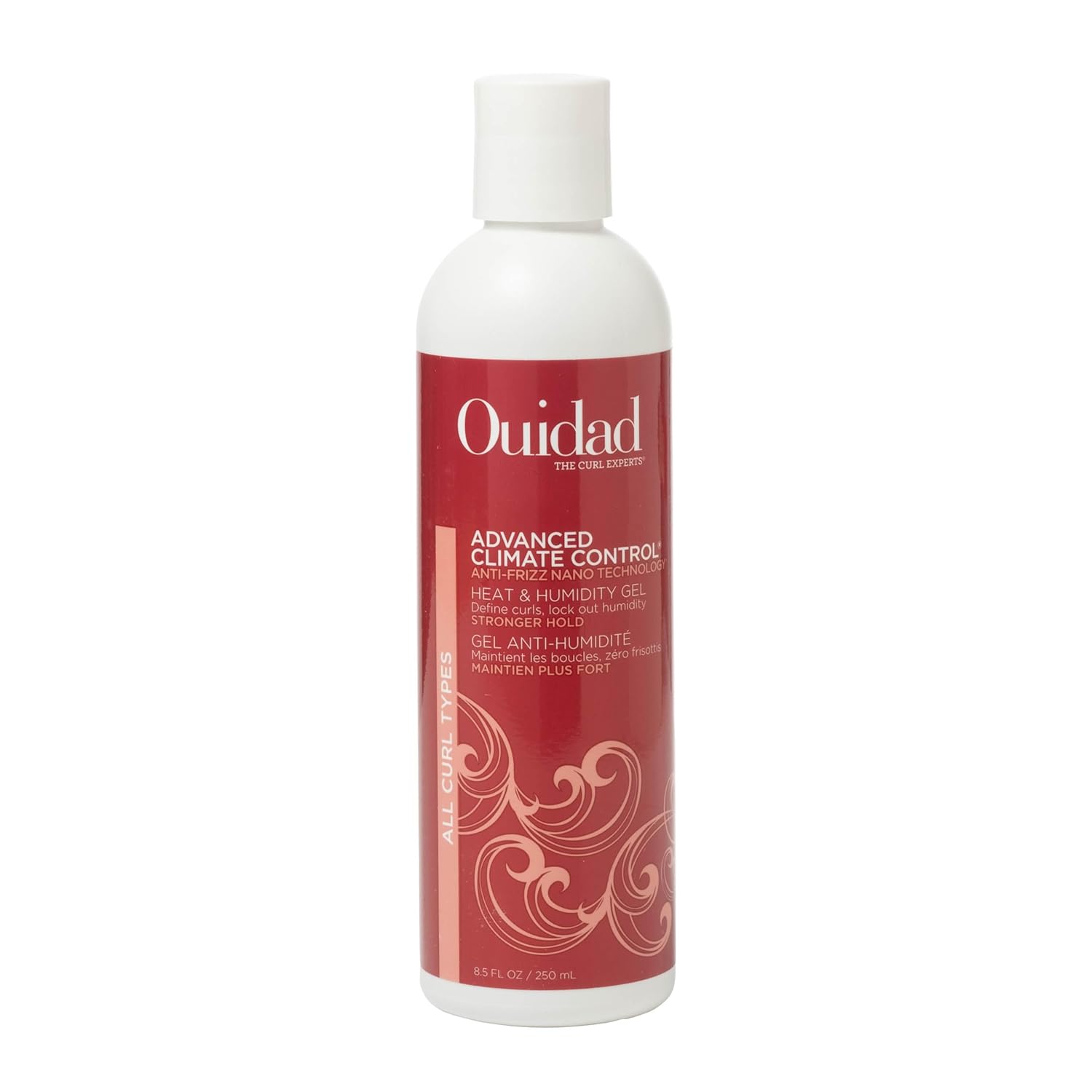
Ouidad Advanced Climate Control Heat & Humidity Gel
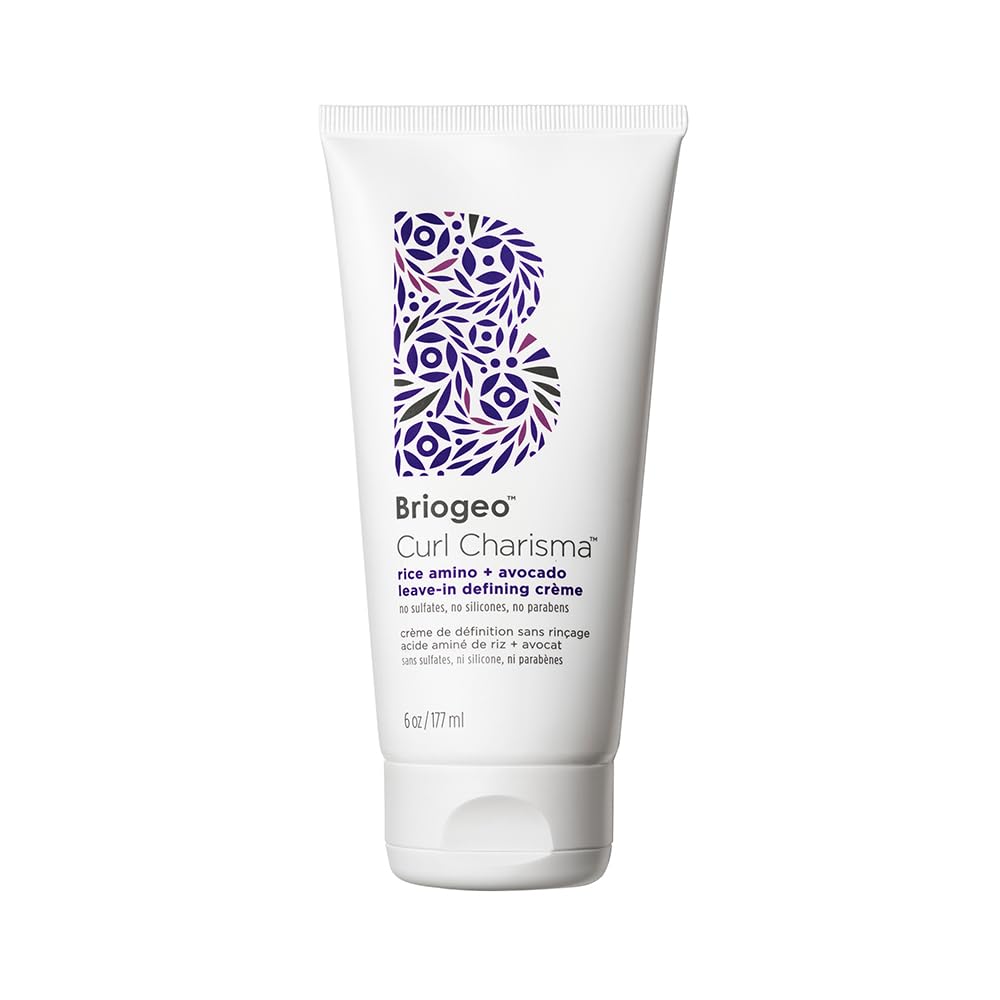
Briogeo Curl Charisma Rice Amino + Quinoa Frizz Control Gel
Medium Porosity Fall Curly Hair Routine
Focus: Maintain a balance between moisture and hold.
Medium-porosity hair often allows more flexibility with product combinations. As conditions become drier, slightly richer conditioning or adding a cream between the leave-in and gel may provide enough additional moisture.
A starting routine could include:
- Moisturizing shampoo
- Moisturizing conditioner
- Deep conditioner when needed
- Leave-in conditioner
- Styling cream
- Gel
If the existing routine is still performing well, the seasonal adjustment may be as small as switching conditioners or adding a deep-conditioning treatment occasionally.
Product ideas:
Conditioners
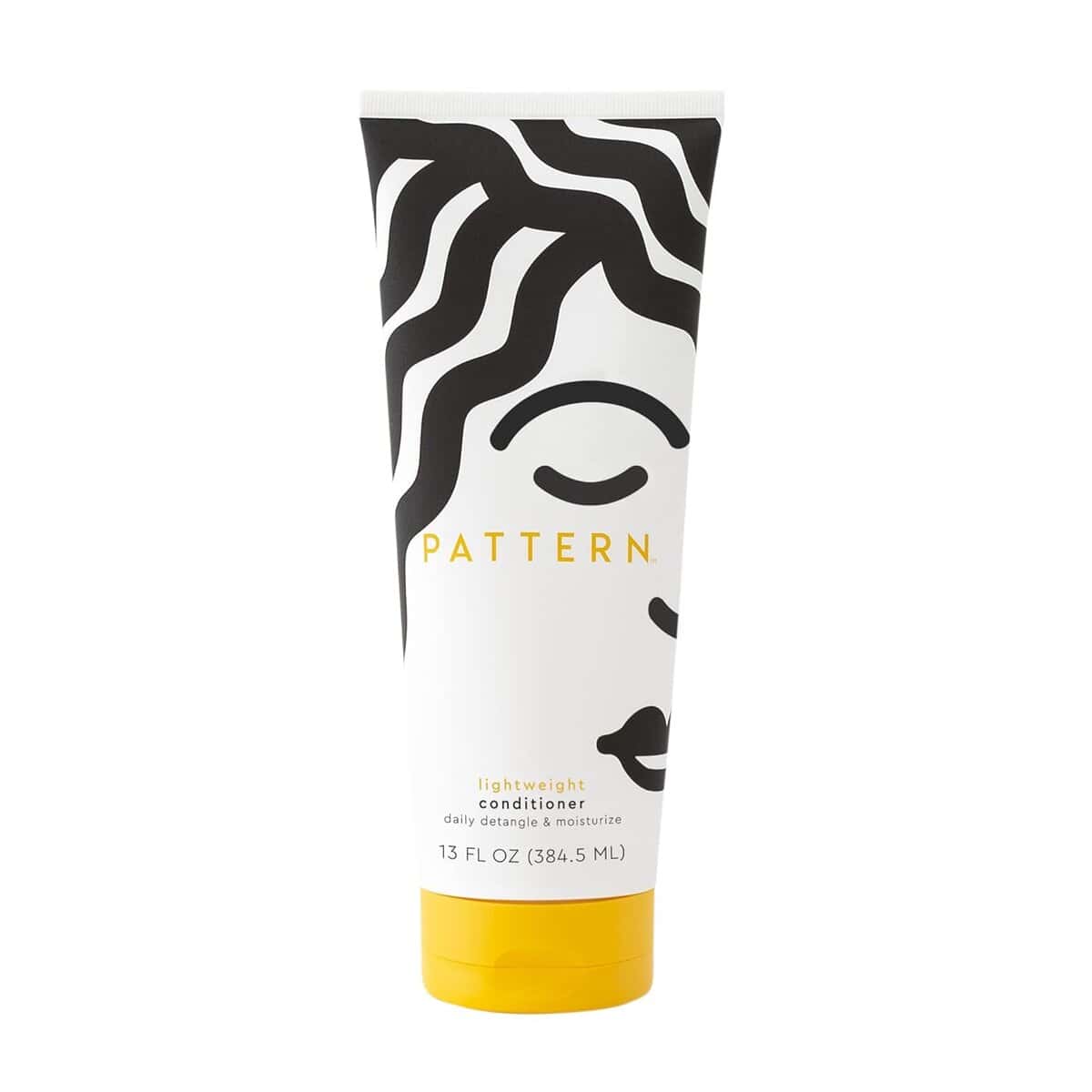
Pattern Medium Conditioner For Curlies
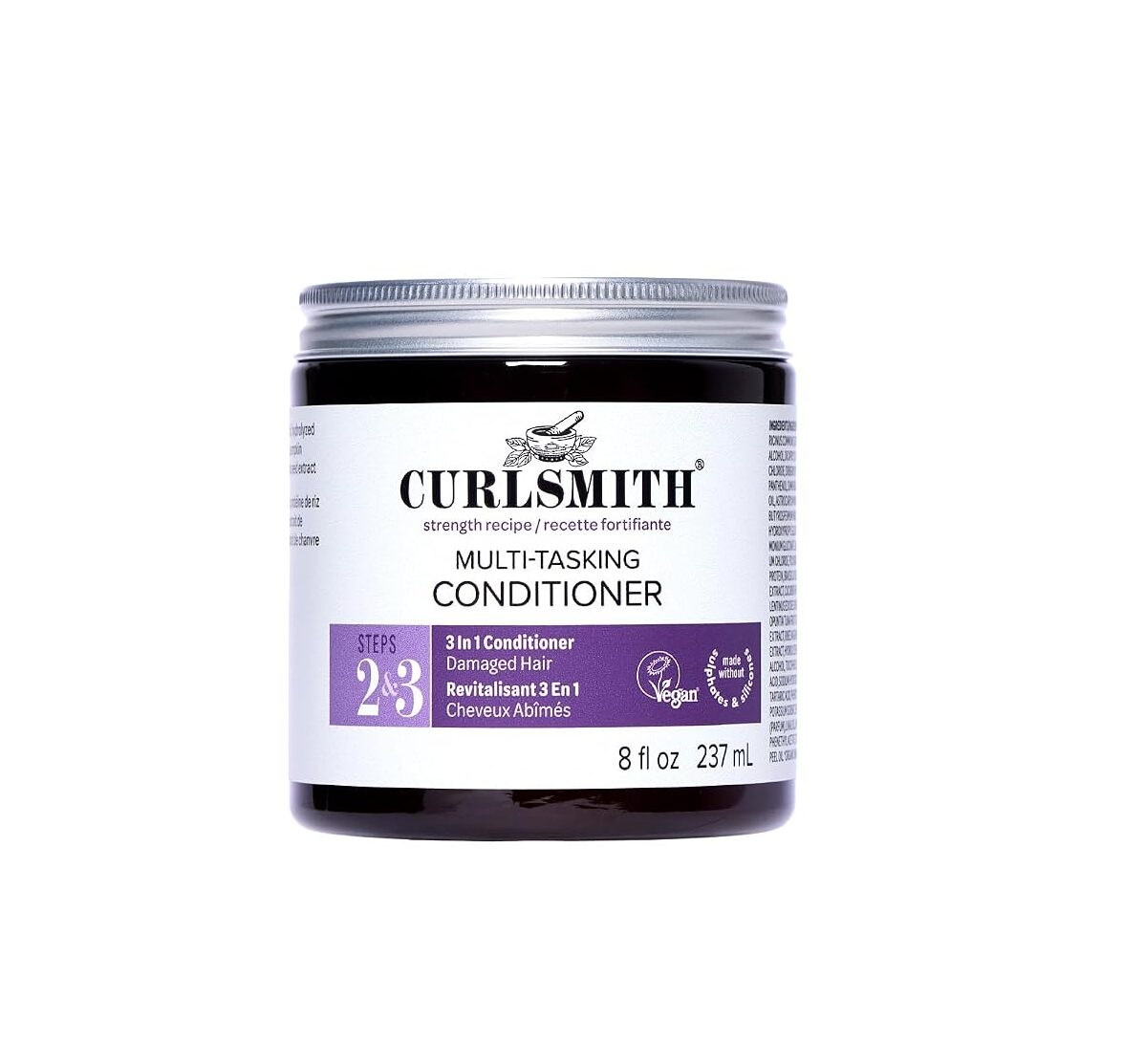
Curlsmith Multi-Tasking Conditioner
Leave-ins and creams

Pattern Leave-in Conditioner
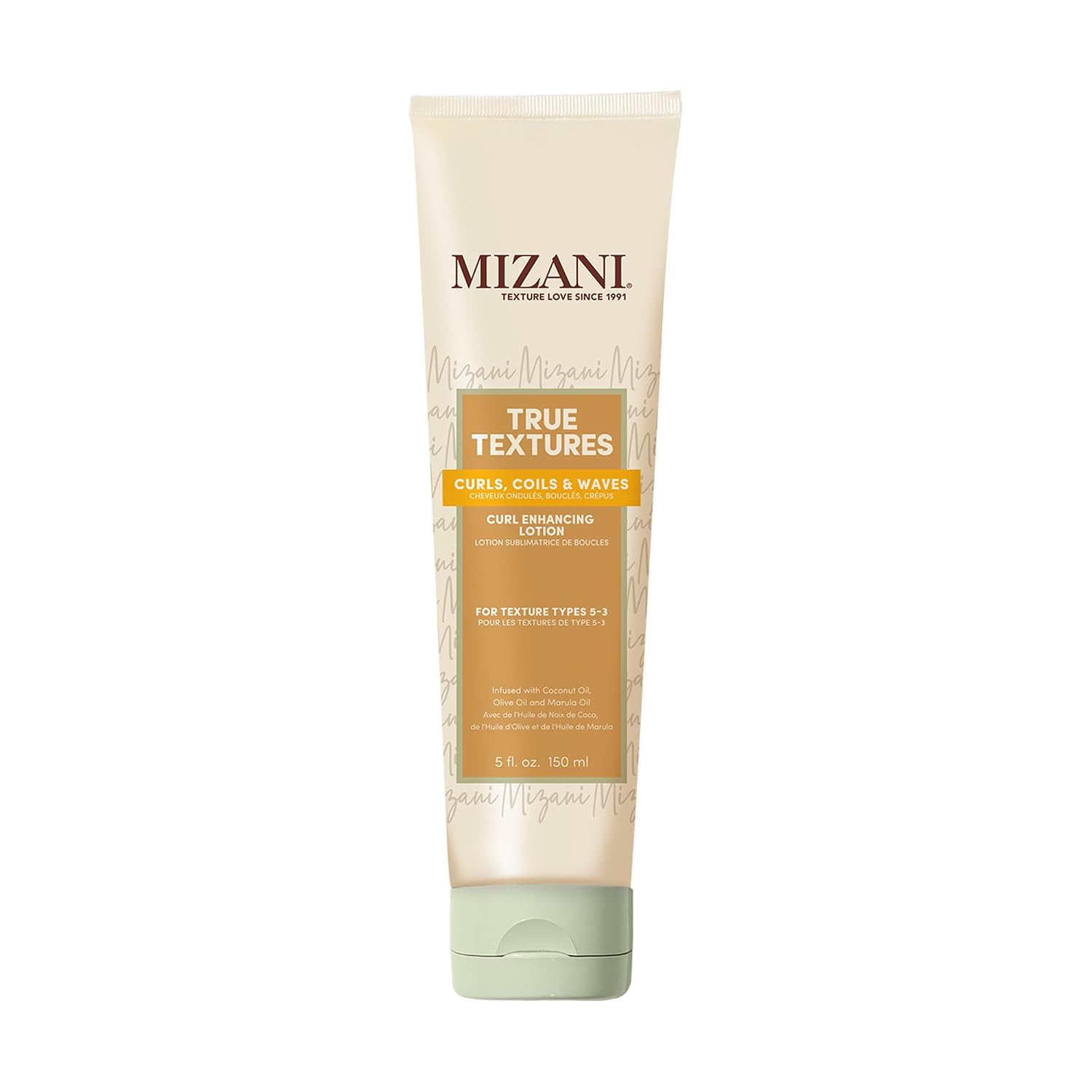
Mizani True Texture Curl Lotion
Gels
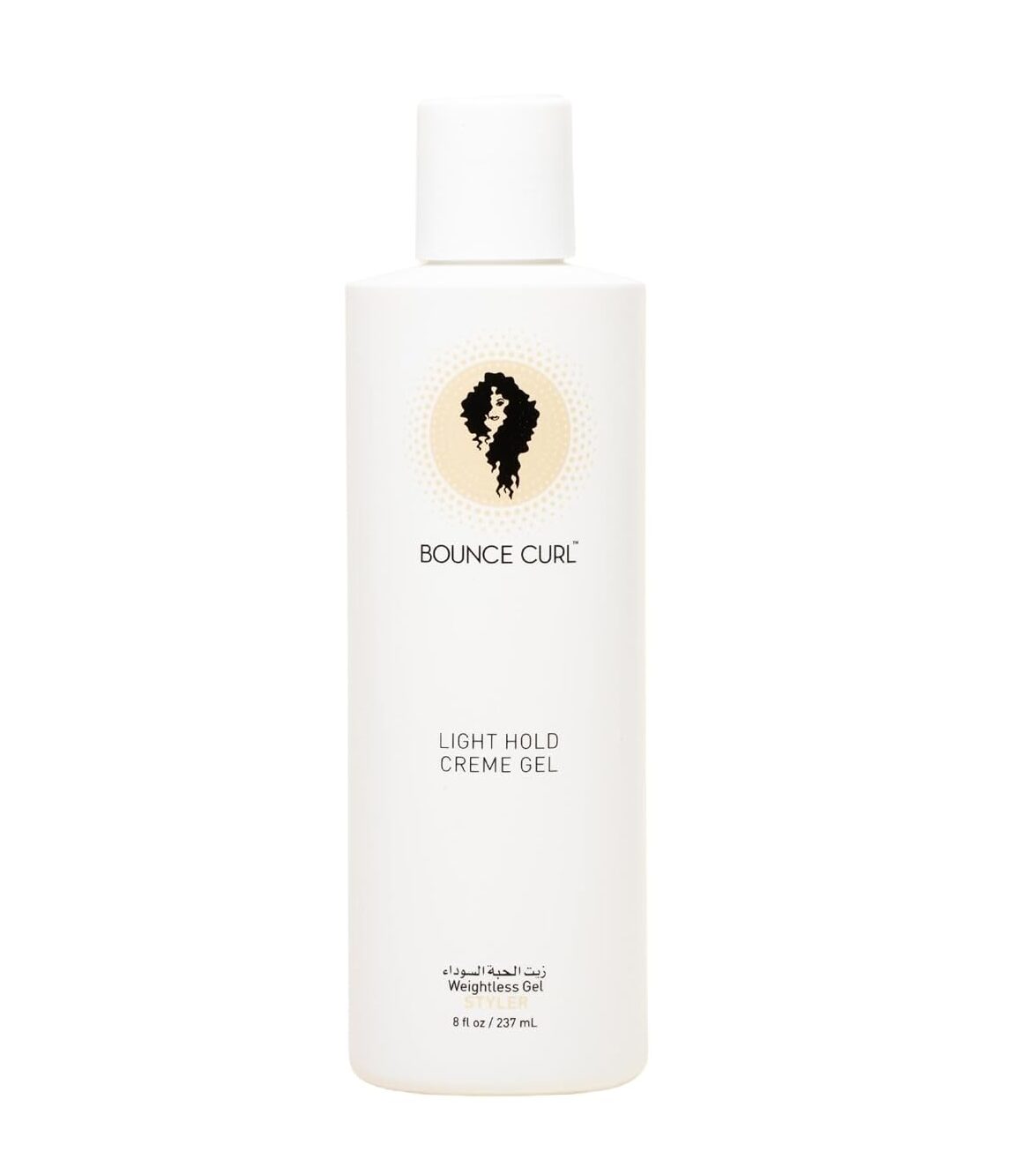
Bounce Curl Light Hold Cream Gel

Garnier Fructis Scrunch Controlling Gel
High Porosity Fall Curly Hair Routine
Focus: Maintain moisture and softness as conditions become drier.
High-porosity hair tends to absorb moisture easily but can also lose it more quickly. That can become more noticeable as humidity decreases.
A fall routine may include:
- Gentle or moisturizing shampoo
- Richer moisturizing conditioner
- Deep conditioner as needed
- Leave-in conditioner
- Styling cream
- Gel for hold
The additional conditioning and styling layers can help support softness and definition without eliminating cleansing from the routine.
Product ideas:
Deep conditioners
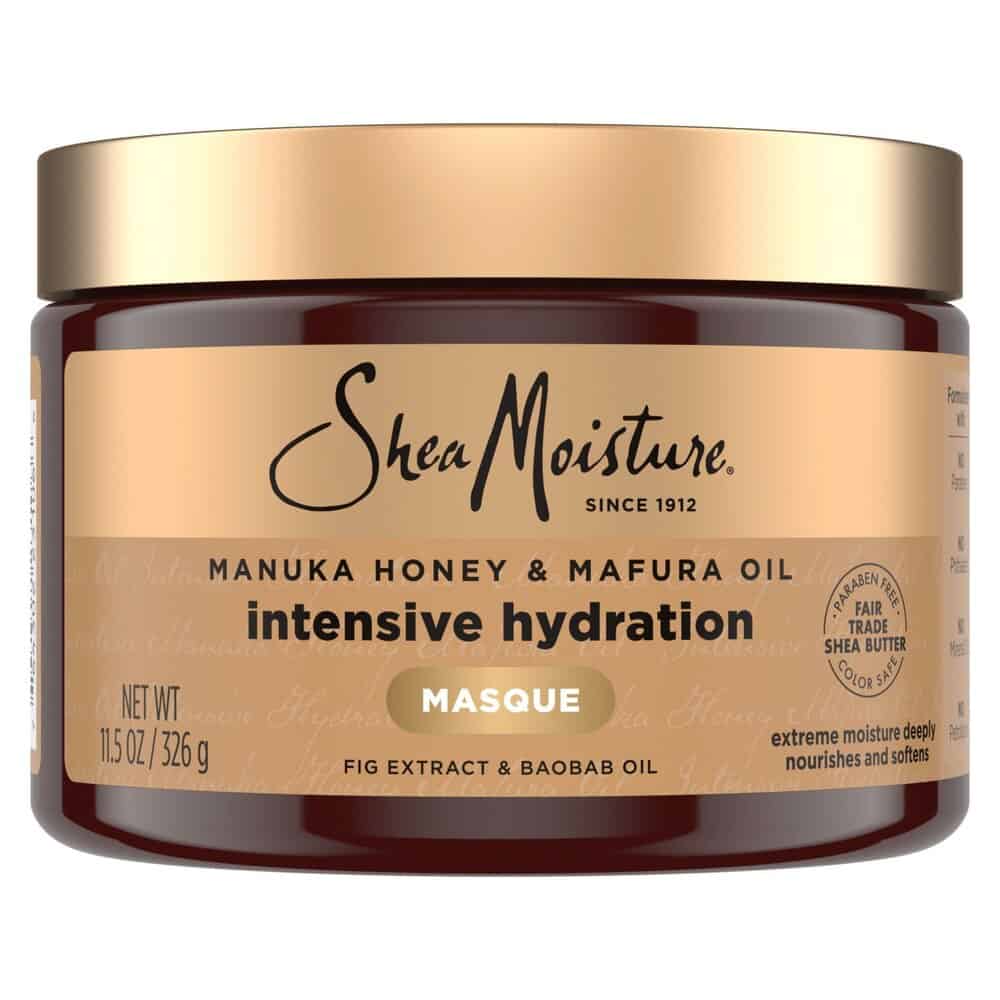
SheaMoisture Manuka Honey Hair Masque
Briogeo Don’t Despair, Repair! Deep Conditioning Mask
Leave-ins and creams
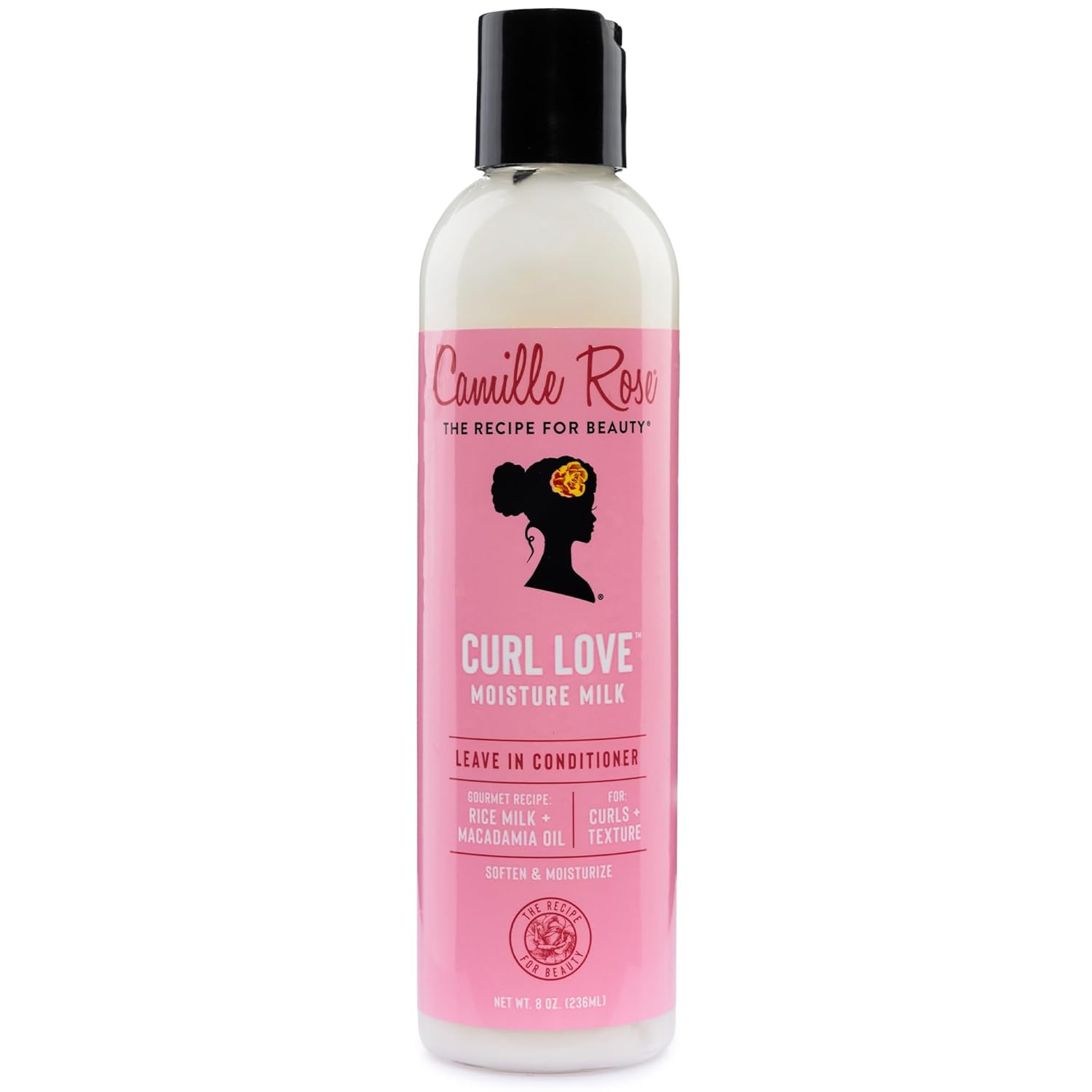
Camille Rose Curl Love Moisture Milk
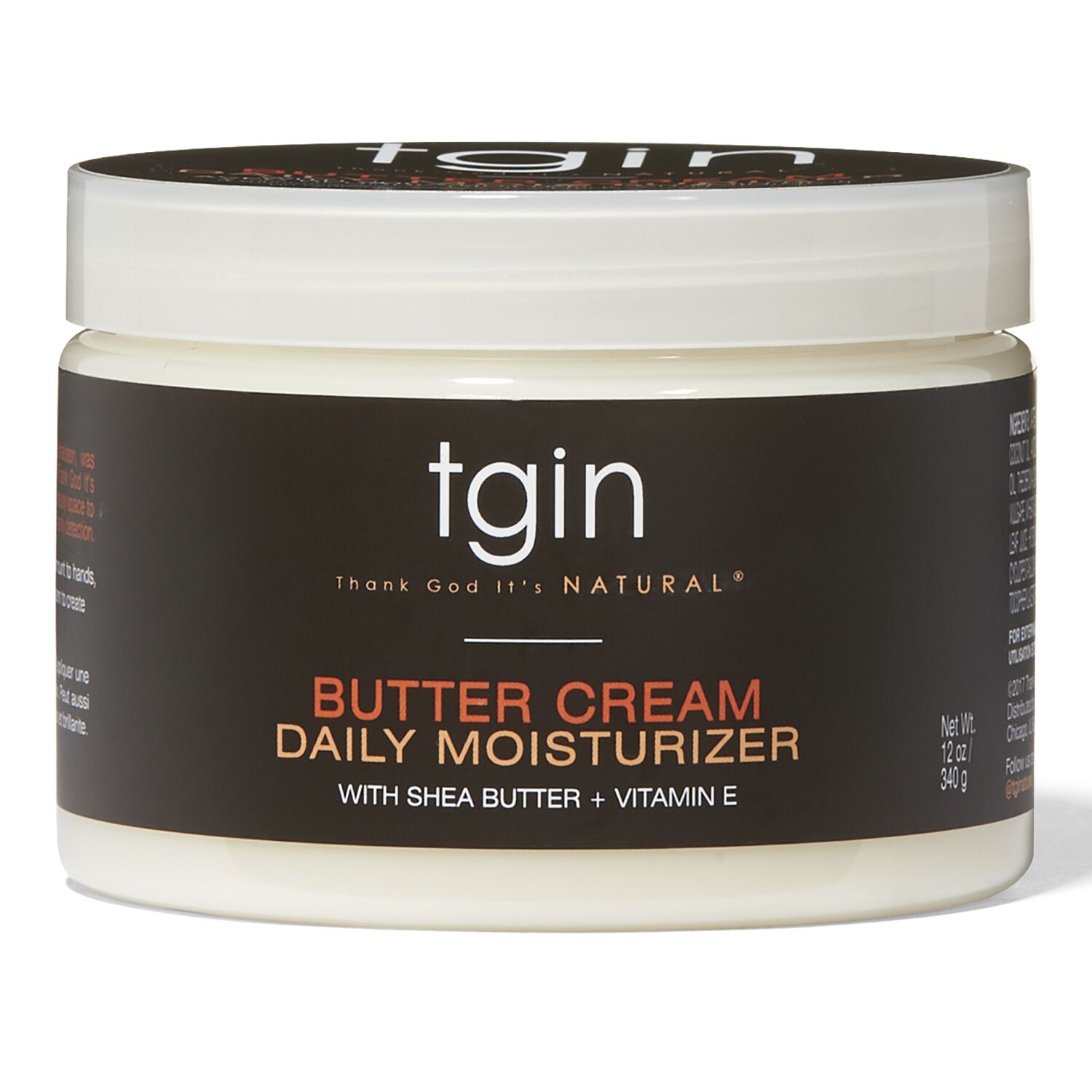
TGIN Butter Cream Daily Moisturizer
Gels
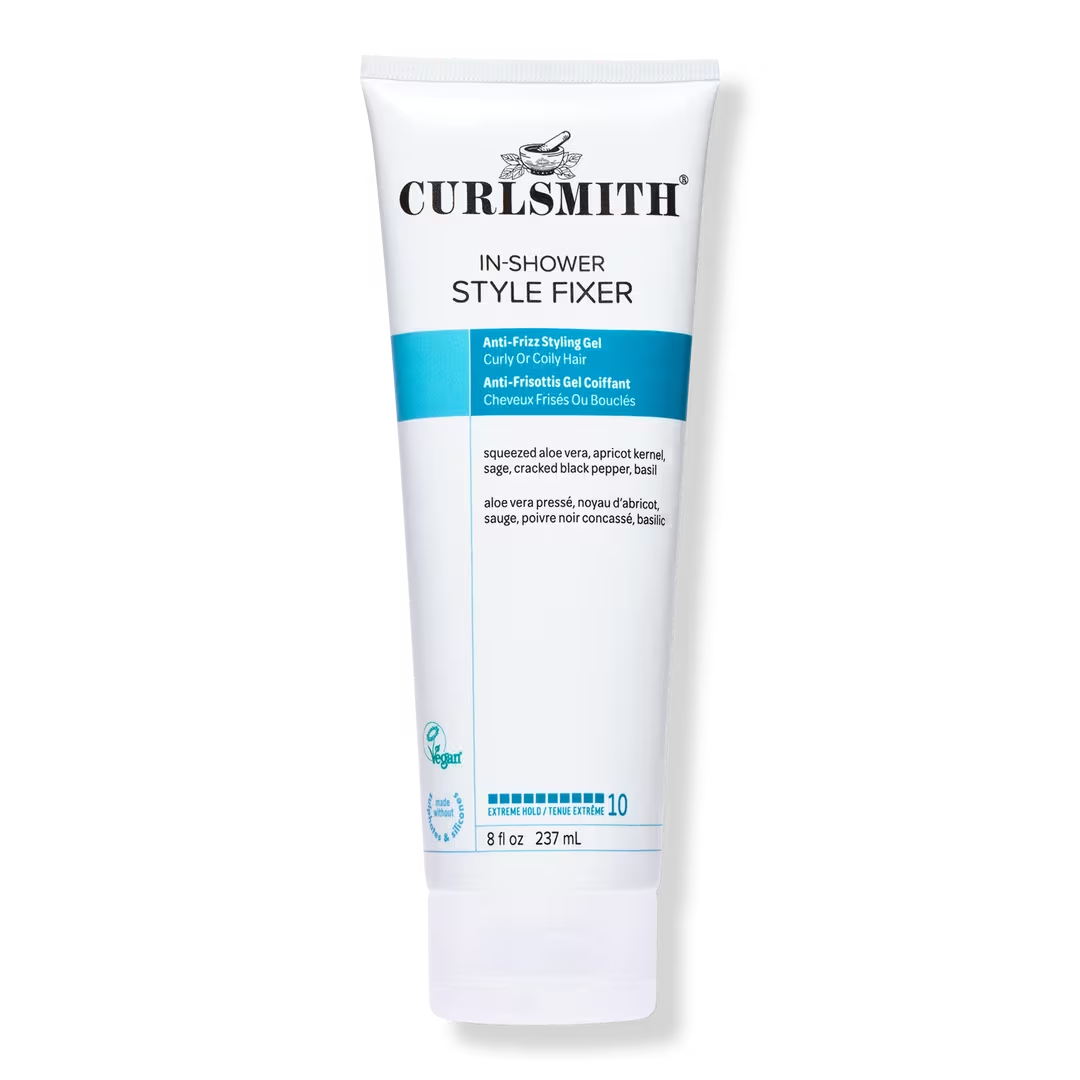
Curlsmith In-Shower Style Fixer
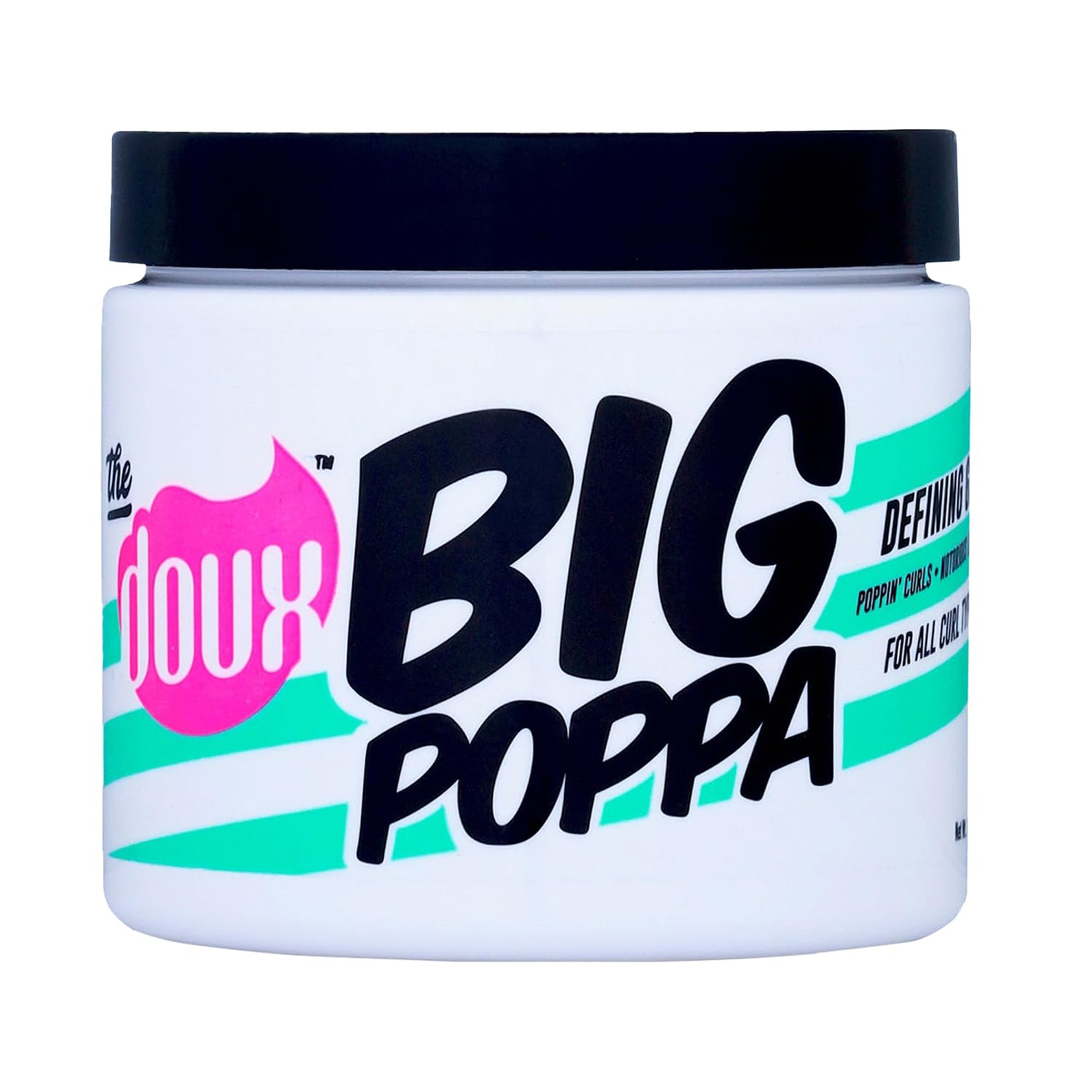
The Doux Big Poppa Defining Gel
Affiliate disclosure: This post may contain affiliate links. If you purchase through one of these links, I may earn a small commission at no additional cost to you. All opinions are my own.
Don’t Forget About Fall Friction
Dry air isn’t the only seasonal change that can affect curly hair.
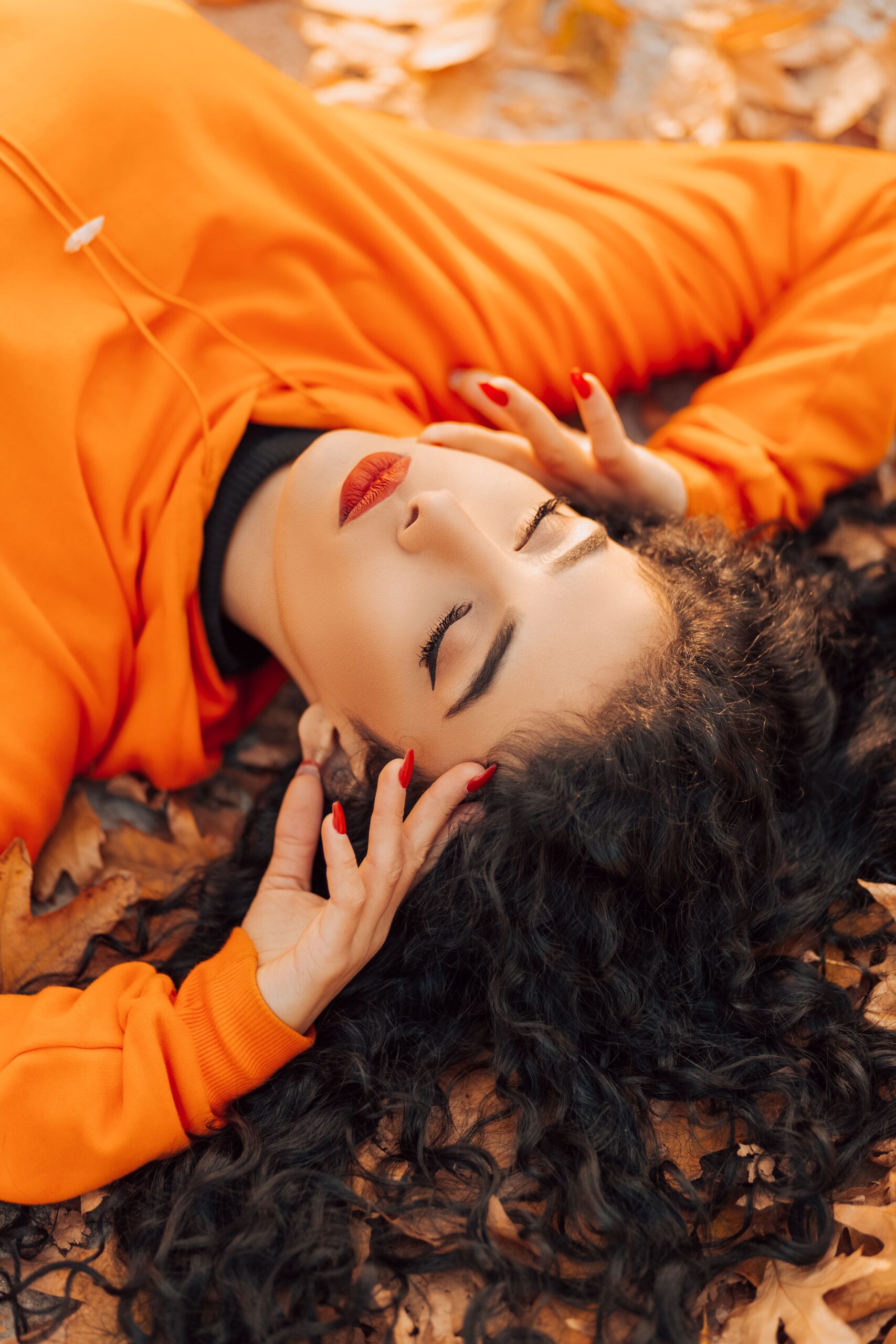
Fall also means the return of sweaters, jackets, scarves, hoodies, and hats.
When loose hair repeatedly rubs against rough fabrics, the friction can disturb the curl pattern, encourage tangling, and place additional stress on the ends. The nape can be particularly vulnerable because it constantly comes into contact with collars and scarves.
A few simple adjustments can help:
- Choose satin-lined hats when possible.
- Use a satin or silk scarf as a barrier beneath rougher fabrics.
- Keep hair away from high collars or rough scarves when practical.
- Pay extra attention to detangling and conditioning the nape.
- Continue protecting curls with a satin bonnet, scarf, or pillowcase at night.
This doesn’t mean curly hair has to stay hidden throughout fall. The goal is simply to notice where repeated friction is happening and reduce it when possible.
Fall friction-protection favorites:
- Satin-lined beanie — Shop on Amazon
- Satin or silk scarf — Shop on Amazon
- Satin bonnet — Shop on Amazon
- Satin pillowcase — Shop on Amazon
Should You Apply Products to Wet or Damp Hair in Fall?
The amount of water left in the hair during styling can affect how products distribute, how concentrated they are, and how the finished style behaves.
A useful starting point is:
| Hair Porosity | Application Starting Point |
|---|---|
| Low Porosity | Damp Hair |
| Medium Porosity | Damp-to-wet hair |
| High Porosity | Wetter hair |
For low-porosity hair, applying stylers to damp rather than soaking-wet hair may help prevent products from becoming overly diluted and can make it easier to determine how much product is actually being applied.
Medium-porosity hair may perform well across a wider range of water levels, while high-porosity hair may benefit from beginning with more water in the hair before styling products are layered.
These aren’t universal rules. Product formulation, hair density, desired style, and individual results matter too.
If a routine suddenly stops lasting as long when the weather changes, experimenting with how wet the hair is during application may be worth trying before replacing every styling product.
How to Refresh Curly Hair in Fall
Refresh routines can become simpler as summer humidity decreases.
Rather than repeatedly layering products between wash days, start with the smallest adjustment needed to restore the style.
A simple fall refresh could be:
- Lightly mist the hair with water.
- Add a small amount of diluted leave-in if the hair feels dry.
- Scrunch or reshape curls that have lost definition.
- Spot-apply gel only where additional hold is needed.
If the curls still look defined but feel slightly dry, they may need moisture rather than another full layer of styling products.
On the other hand, repeatedly adding leave-in, cream, and gel between wash days can eventually create buildup
What About a Dry or Flaky Scalp in Fall?
Some people notice that their scalp feels drier, tighter, or more sensitive as temperatures fall and indoor heating begins.
Keeping up with regular cleansing is still important during this time. Product buildup, oil, sweat, and dead skin don’t disappear because the weather is cooler.
It’s also worth remembering that flaking doesn’t automatically mean the scalp needs more oil. Flaking and irritation can have different causes, and repeatedly coating the scalp with oils or heavy products may not address the underlying issue.
For general seasonal comfort, focus on gentle cleansing, avoiding excessive buildup, and paying attention to how the scalp responds to changes in products and weather.
Persistent or significant itching, irritation, redness, or flaking may warrant discussing the issue with a dermatologist rather than continuing to experiment with hair products.
Gentle Scalp Care Options
If your scalp simply feels drier during seasonal changes, these products can help support a clean, comfortable scalp without adding heavy oils or buildup.

SEEN Restore Scalp Serum
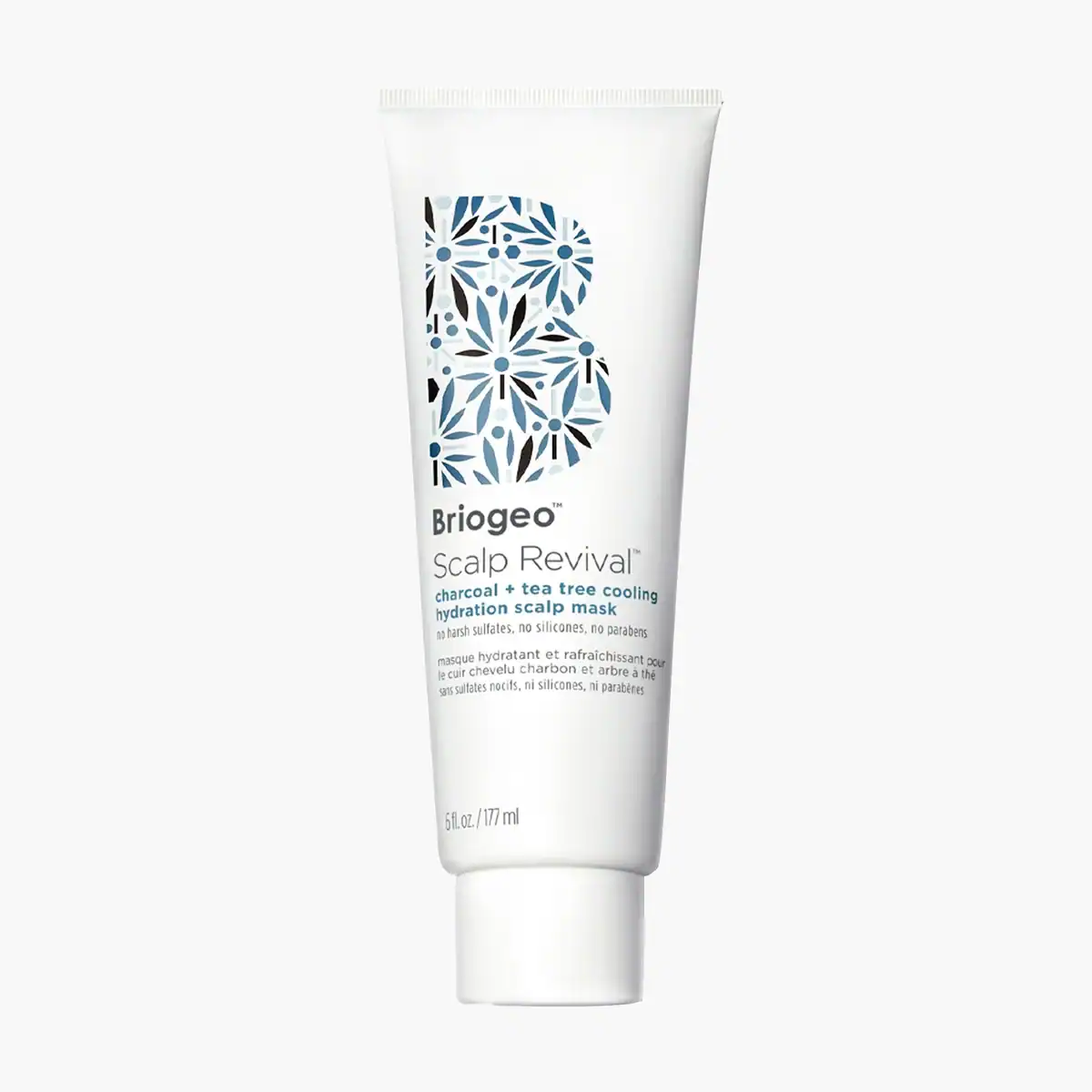
Briogeo Scalp Revival Mask
Preparing Your Curls for Winter
Fall can also provide an early indication of what the hair may need once winter arrives.
As temperatures continue to fall and indoor heating becomes more common, some routines may gradually need richer conditioning, more frequent deep conditioning, or additional protection from friction.
Making those changes gradually can be easier than waiting until the hair already feels extremely dry.
The important part is that seasonal routines don’t need to change all at once. A conditioner may need to change before a cleanser does. A cream might become useful even though the same gel still works perfectly well. A satin-lined hat may solve a nape-tangling problem that no new styling product would fix.
Once winter arrives, the routine can be reassessed again based on how the hair is responding.
Next in the series: Winter Curly Hair Routine (coming soon)
More Seasonal Curly Hair Routines
This article is part of my Seasonal Curly Hair Routine Series, which looks at how changes in weather and environment can affect the way curly hair behaves.
- Spring Curly Hair Routine
- Summer Curly Hair Routine
- Winter Curly Hair Routine (coming soon)
- Complete Seasonal Curly Hair Routines Guide
Summer & Outdoor Routines
For additional product combinations and visual routine ideas, you can also visit my Curly Hair Routine Guides board on Pinterest.
Free Curly Hair Routine Guide
Still figuring out which products and steps belong in your routine? Get my free Curly Hair Routine Guide for a simple starting point you can adjust based on your hair’s needs.
Frequently Asked Questions
Why does my curly hair get drier in the fall?
As humidity drops and indoor heating becomes more common, the environment surrounding the hair can become drier. Some people notice that their curls feel rougher, tangle more easily, or require slightly more conditioning than they did during summer.
Should I use heavier products on curly hair in the fall?
Not automatically. Start by adjusting the part of the routine that no longer seems to be working. Some hair may benefit from a richer conditioner or styling cream, while low porosity or fine hair may still perform better with lightweight products.
How often should I deep condition curly hair in the fall?
There isn’t one schedule that works for everyone. Deep conditioning should be based on the condition of the hair, the products being used, wash frequency, porosity, damage, and how the hair responds. If regular conditioner continues to leave the hair soft and manageable, increasing deep conditioning simply because its fall may not be necessary.
Why does my hair get tangled around the nape in colder weather?
Fall and winter clothing can create additional friction around the nape. Sweater collars, scarves, coats, and hoodies repeatedly rubbing against loose hair can contribute to tangling and frizz in that area.
Final Thoughts
A fall curly hair routine doesn’t require replacing everything that worked during summer. For many people, the transition is about making small adjustments as humidity drops, the air becomes drier, and hair encounters more friction from clothing.
Pay attention to what changes first, whether that’s dryness, tangling, hold, scalp comfort, or how long your styles last, and adjust that part of the routine before changing everything else.
As fall moves toward winter, those small observations can make it much easier to figure out what your curls actually need next.
Let’s Make Inbox Magic
Join my circle to unlock the Curly Mama Freebie Library, your all-access pass to printables, checklists, and resources made for busy moms and curly hair lovers.
Already subscribed? Click here to access the Freebie Library.