How I Repaired Bleach Damaged Curly Hair (And What Actually Helped My Growth)
Going blonde in the fall of 2015 did a number on my curls. I’ll admit, I wasn’t taking care of my hair the way I should have, and the damage caught up to me quickly. My once-defined curl pattern started to unravel, leaving me with dry, brittle strands and very little bounce.
I knew I needed a reset.
But there was one thing holding me back: doing a big chop.
While I felt emotionally ready to start fresh, my mom wasn’t quite on board with the idea. So instead, I took a slower approach. I trimmed my ends little by little—on my own—until I could work through the damage without sacrificing all my length.
In this post, I’ll break down what actually helped restore my curls, what I would do differently now, and how to rebuild your routine after damage.
What My Hair Looked Like During the Damage Phase
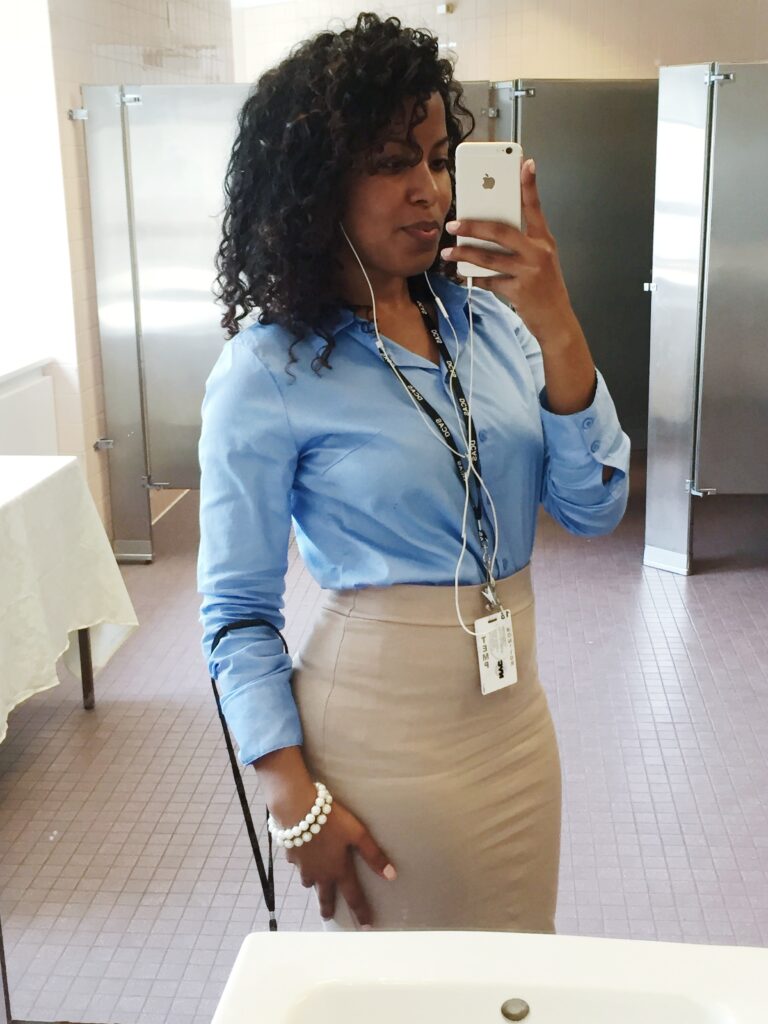
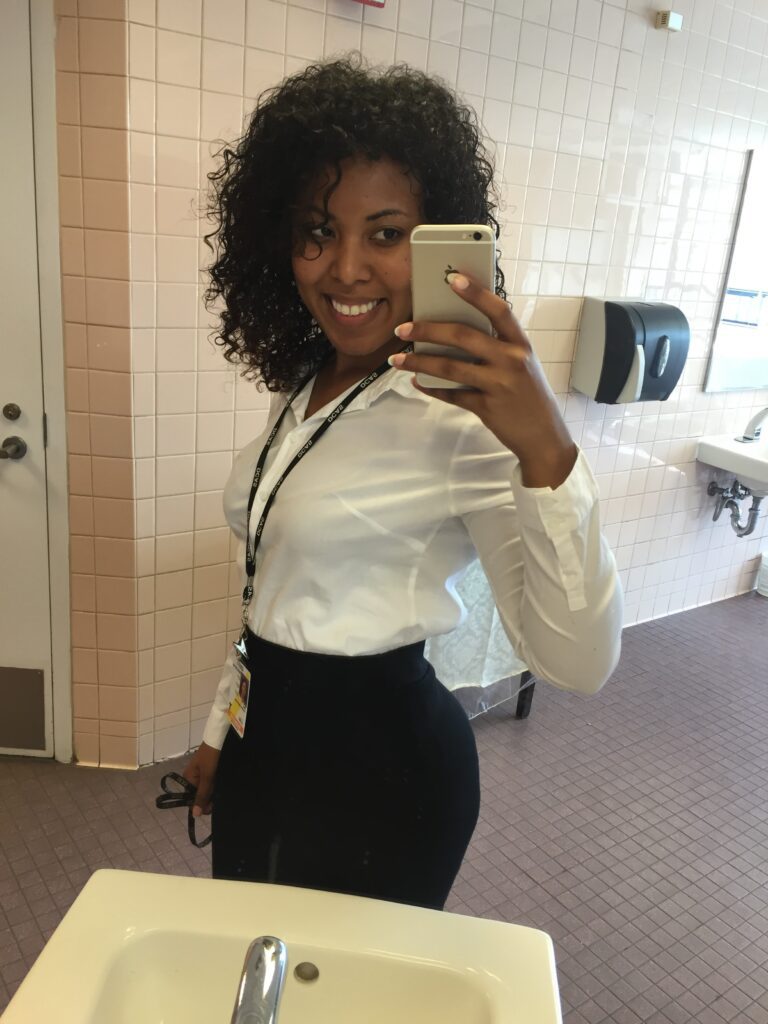
When I straightened my hair, it looked healthy and shiny—at least on the surface. But underneath, it was a different story.
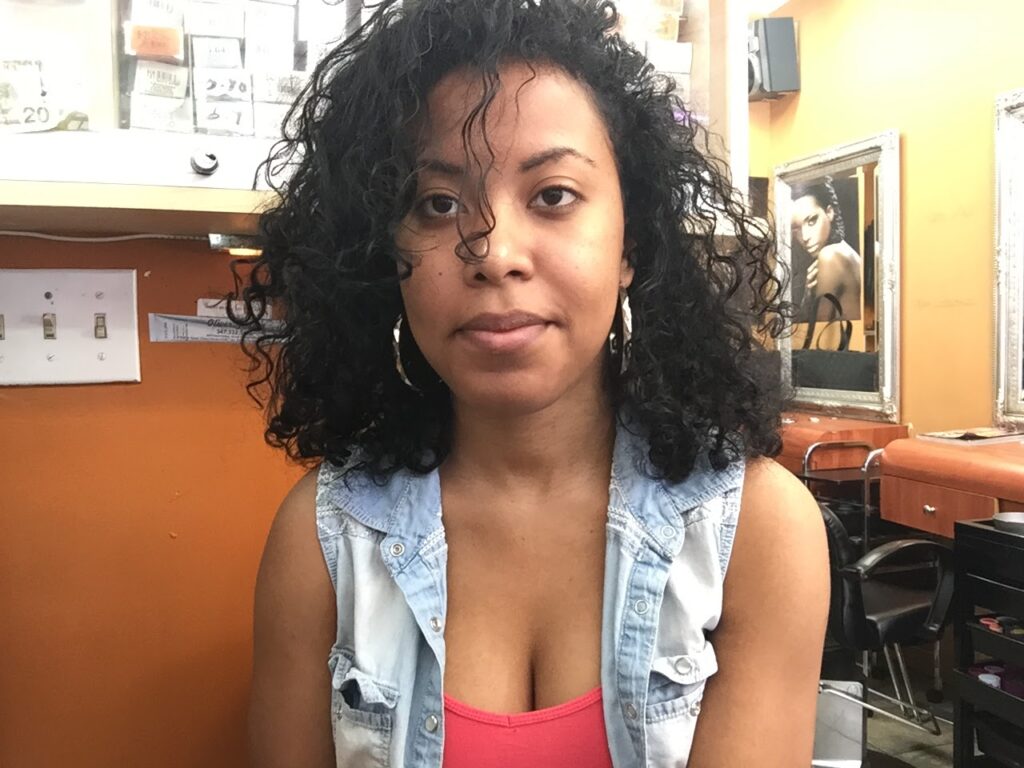
As soon as I wore my hair curly, the damage became obvious: dryness, uneven texture, and a noticeable loss of definition.
These photos show both sides of that phase—one where my hair appeared fine (even styled for work and events), and another where the true condition of my curls came through.
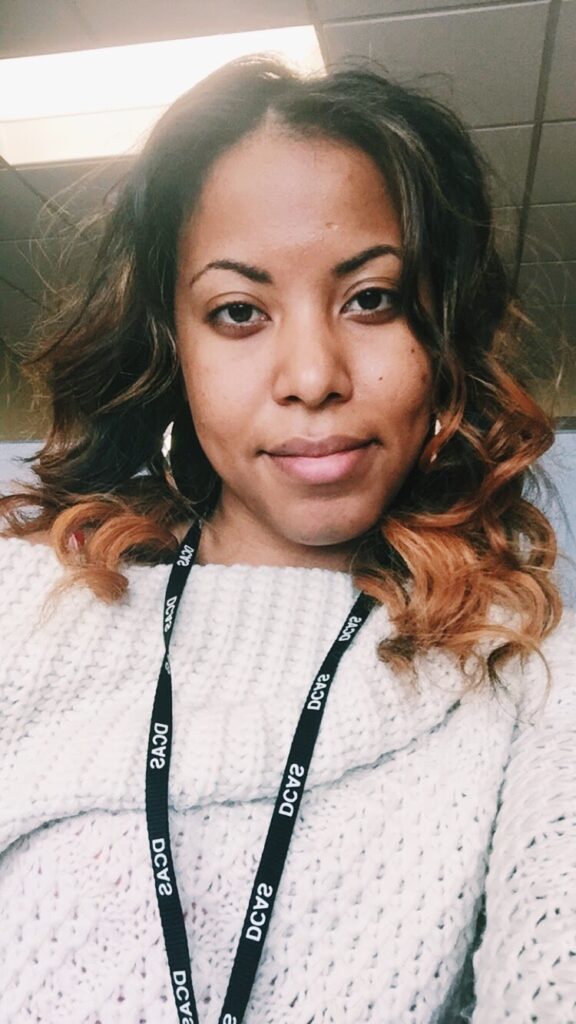
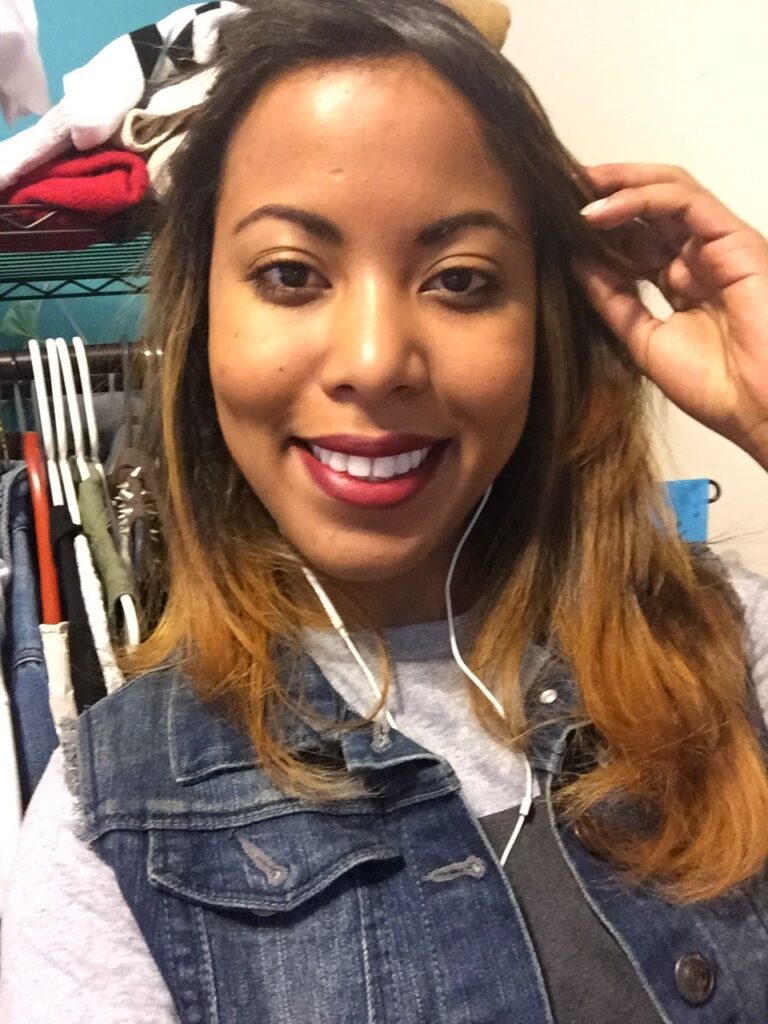
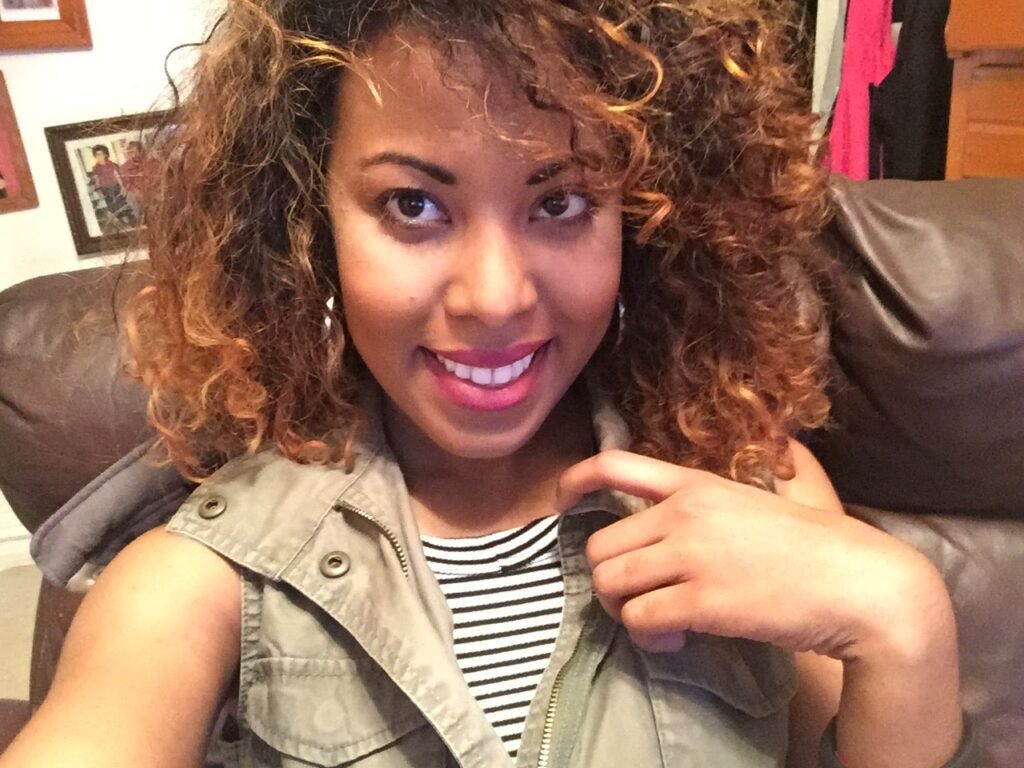
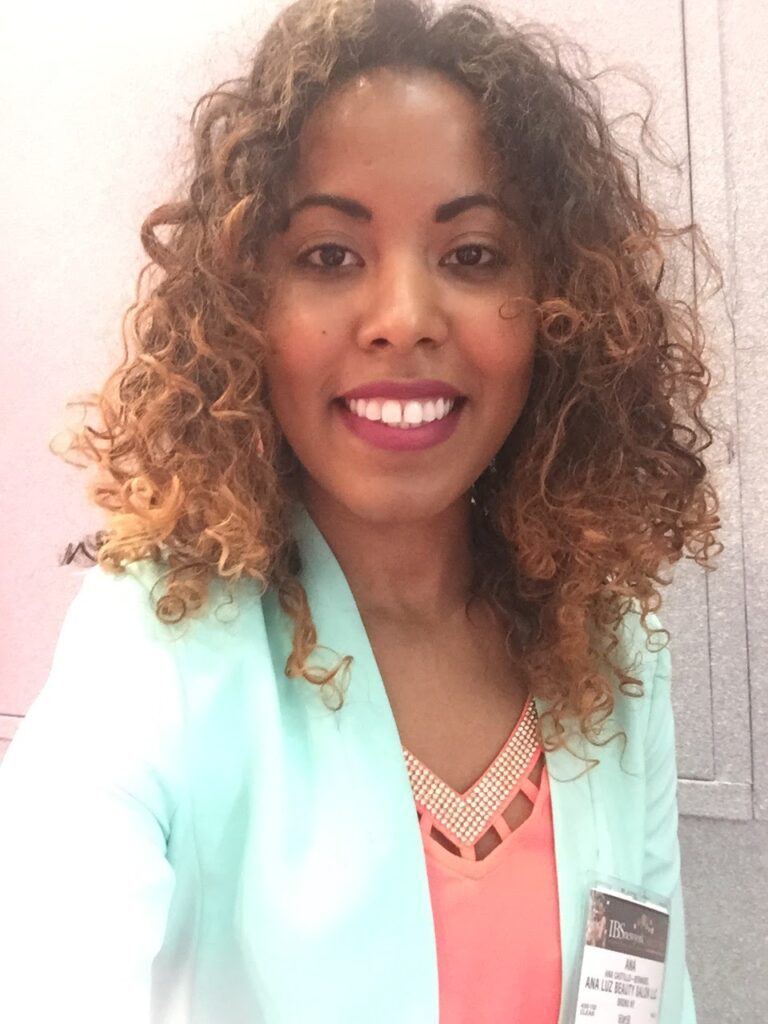
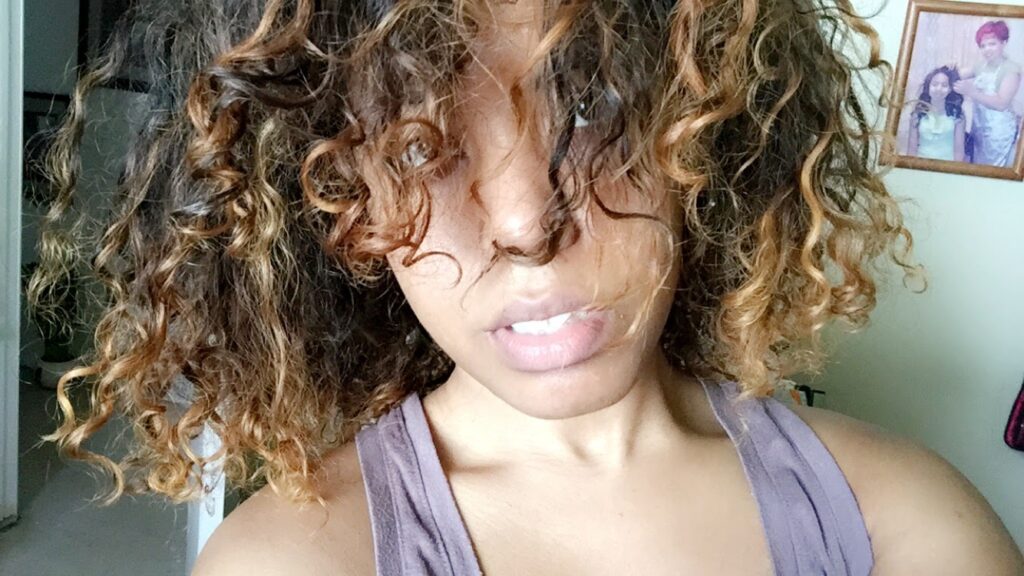
This is something many people miss—straightened hair can hide damage that becomes obvious once your natural texture is exposed.
Why a Hair Reset Boosts Healthy Growth
One of my main goals during this reset was to repair the damage from bleaching.
Removing unhealthy ends made my hair feel stronger, look fuller, and behave more consistently. It wasn’t just about how it looked but also about giving my hair a better foundation to grow without constant breakage.
This is something I didn’t fully understand at the time: growth isn’t just about what’s happening at the scalp. It’s about how well you’re able to keep the hair you’ve already grown.
Once I started focusing on the health of my ends, everything else became easier to manage.
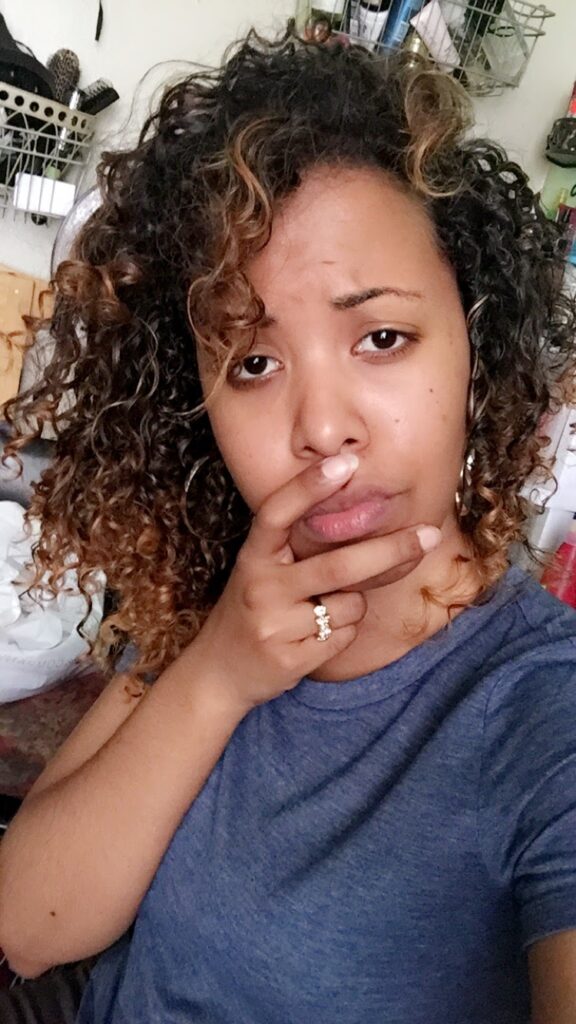
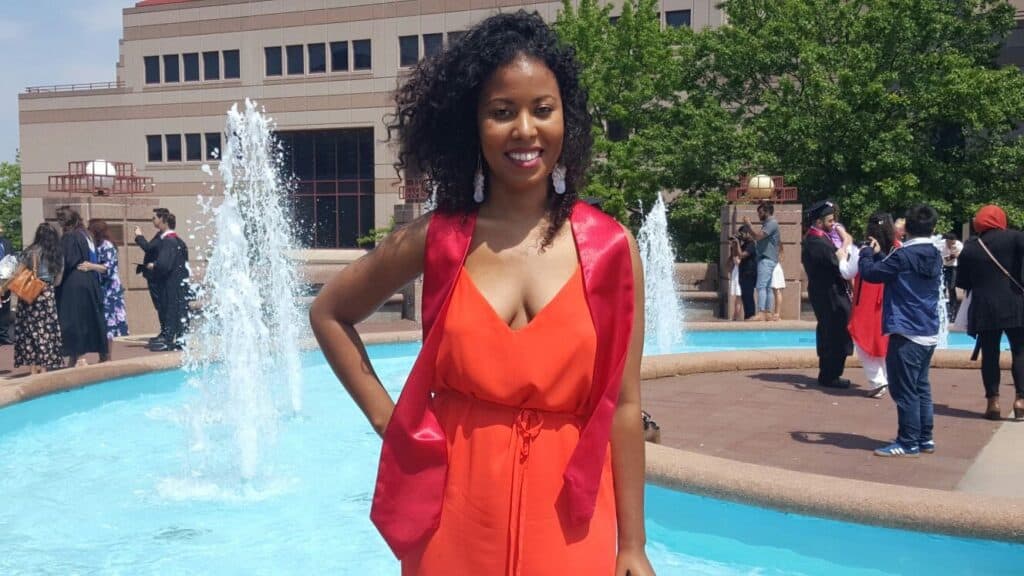
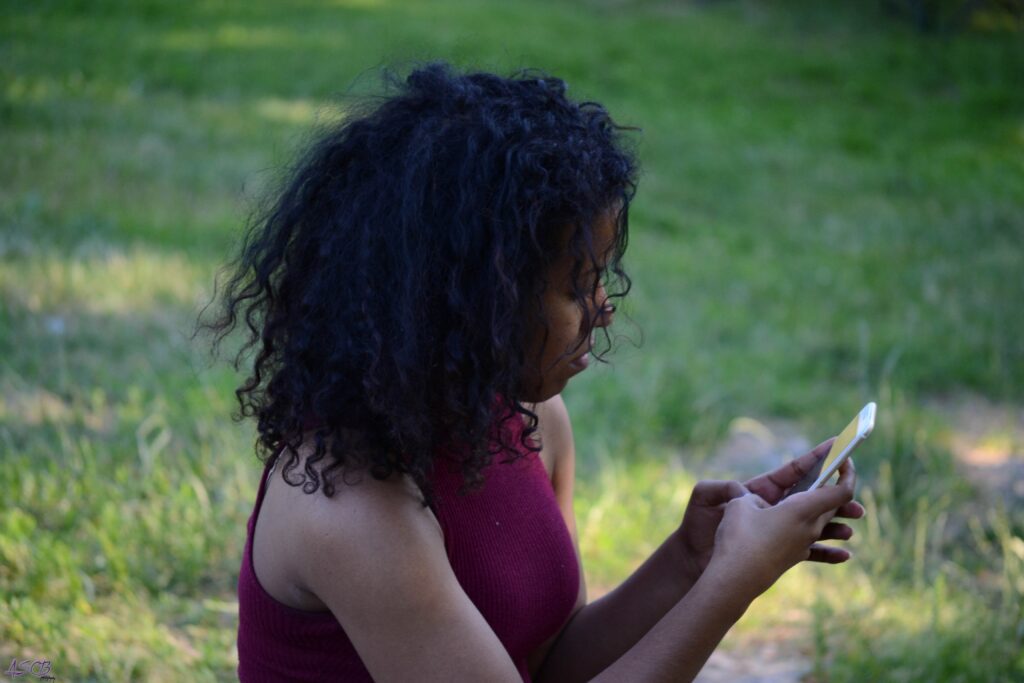
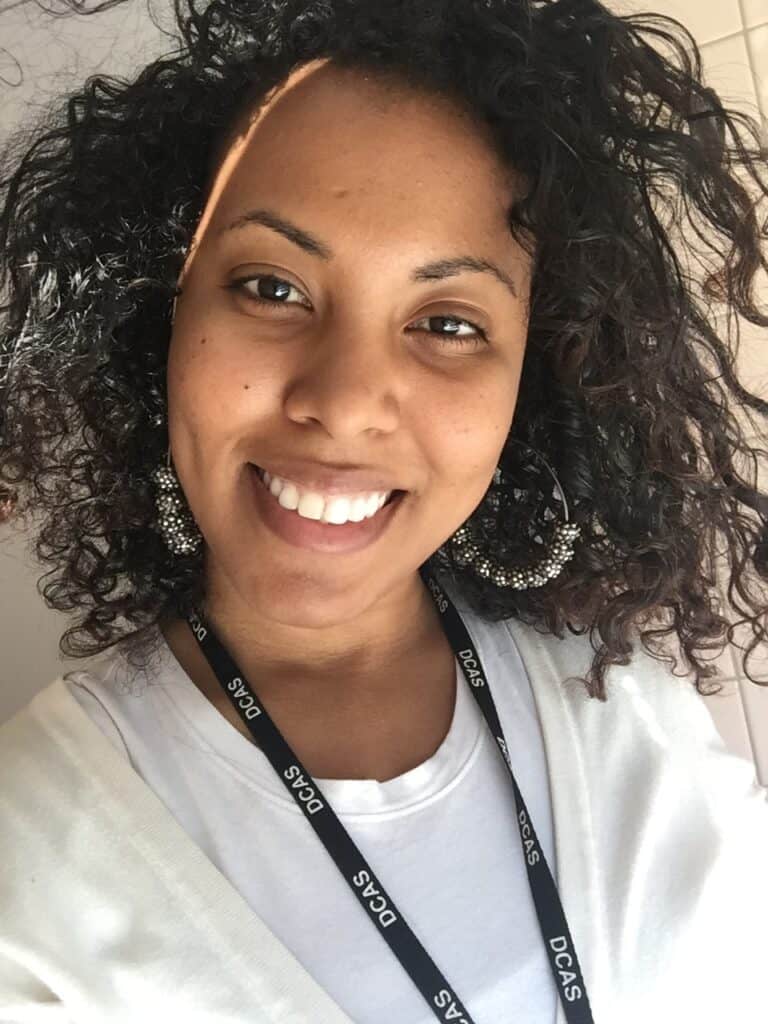
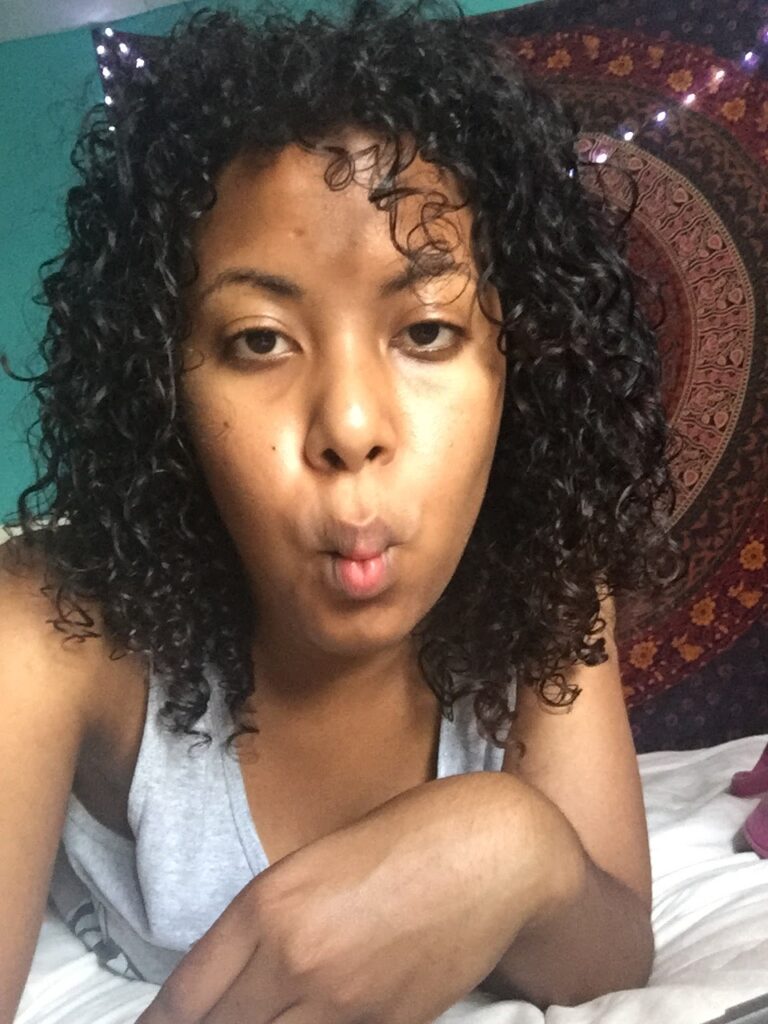
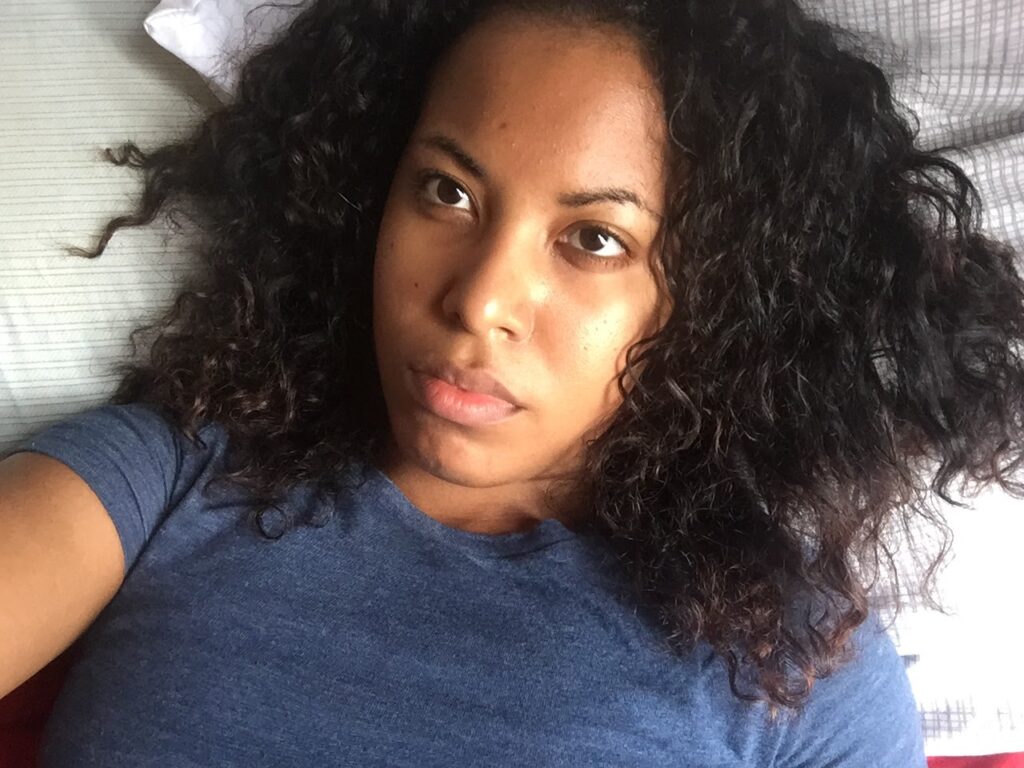
After dyeing my hair black to prevent further damage, I went back to a simple routine, mostly wash-and-go styles.
Looking back, I also wasn’t accounting for how my hair’s needs had changed after coloring—especially in terms of moisture and how I layered my products.
What Actually Helped My Hair Recover
What made the biggest difference wasn’t one single change—it was a combination of small, consistent habits:
• Trimming damaged ends regularly
• Deep conditioning weekly
• Reducing heat styling
• Using low manipulation styles
• Paying attention to how my hair responded to products
None of these worked on their own. It was the consistency over time that helped my hair recover.
This is also when I started to realize that moisture alone wasn’t enough—how I layered my products began to matter.
What I Did Different
During this time, I had a lot going on—I graduated from college, started a new job, and moved in with my boyfriend.
Even with a busy schedule, I kept my routine simple and consistent.
About once a month, my mom would do a wash-and-set for me. That usually meant a roller set followed by lightly flattening the roots with a blow dryer. It gave me a break from daily styling while still maintaining my hair.
Instead of constantly buying new products, I focused on finishing what I already had. That minimalist approach helped me avoid product overload and better understand what actually worked for my hair.
Styling-wise, I leaned into low manipulation:
• Two-strand braids
• Pineapple buns between wash days
• Simple styles that didn’t stress my hair
Keeping things simple made it easier to stay consistent—and that’s what made the biggest difference.
Lessons I Learned About Hair Growth
What surprised me most was how fragile progress can be. You can spend months growing your hair, and one wrong move—like bleaching without the right care—can set you back.
But this process taught me a few important things:
- Blonde hair requires more maintenance—especially when it comes to hydration, protein balance, and using products that support color-treated curls
- Your hair’s needs can change after damage, and I didn’t account for that at the time
- Healthy hair doesn’t mean perfect hair. It means understanding what your hair needs and adjusting your routine as it changes
FAQs About Bleach Damaged Curly Hair
Can I fix bleach-damaged hair without doing a big chop?
You can gradually trim your ends while maintaining a consistent hair care routine. Using deep conditioners, oils, and low-manipulation styles helps rebuild strength without sacrificing too much length at once.
How long does it take to see results after a hair reset?
Most people notice healthier curls within 3–6 months if they consistently use moisturizing and strengthening treatments, avoid heat styling, and protect their hair at night.
What’s the best way to transition back to natural curls after coloring?
Focus on hydration. Incorporate weekly deep conditioning, use leave-in conditioners with protein, avoid heat tools, and try protective styles like two-strand twists or braid-outs to maintain definition.
Do hair growth vitamins help?
Vitamins like SugarBearHair may improve growth and strength, especially if deficient in key nutrients. Always pair supplements with a balanced diet and proper hair care.
How do I know when it’s time for a final trim?
If your curls are uneven, break easily, or don’t hold moisture—even after treatments- it may be time for a full trim to remove lingering damage and allow new, healthier growth to flourish.
Final Thoughts
I’m planning one final trim in the coming year to remove the remaining damage. Seeing the difference those small trims made along the way has been encouraging.
Watching my curls slowly return and learning how to care for them properly has been one of the most rewarding parts of this journey.
Looking back, I realize that growth wasn’t just about what I used—it was about consistency, understanding my hair, and adjusting my routine as it changed.
If you’re not sure where to start, I’ve put together a Curly Hair Resource Guide that walks you through building a routine step by step.
Related Resources
Let’s Make Inbox Magic
Join my circle to unlock the Curly Mama Freebie Library, your all-access pass to printables, checklists, and resources made for busy moms and curly hair lovers.
Already subscribed? Click here to access the Freebie Library.