
School-Age Curly Hair Routine: One of the Biggest Mistakes Parents Make With Curly Hair
Product images are sourced from the official brand websites or authorized retailer listings for identification purposes. This post may contain affiliate links, which means I may earn a small commission if you purchase them at no extra cost to you. All opinions are my own. See my full disclosure here.
As parents, we all want our children to look their best. When it comes to curly hair, that often means trying to keep every curl defined, every style neat, and every strand in place.
But one of the biggest mistakes parents make with curly hair is believing it needs to look perfect every single day.
The reality is that children are active. They go to school, play outside, participate in sports, wear backpacks, take naps, and experience weather that can completely change how their curls look by the end of the day.
The good news? Healthy hair and perfect hair are not the same thing.
In this guide, I’ll share what parents should focus on instead, along with practical tips, product recommendations, and simple strategies that make curly hair care more manageable for busy families.
School-Age Curly Hair Routine Goals
One of the biggest changes that happens as children grow older is that they spend more time away from home.
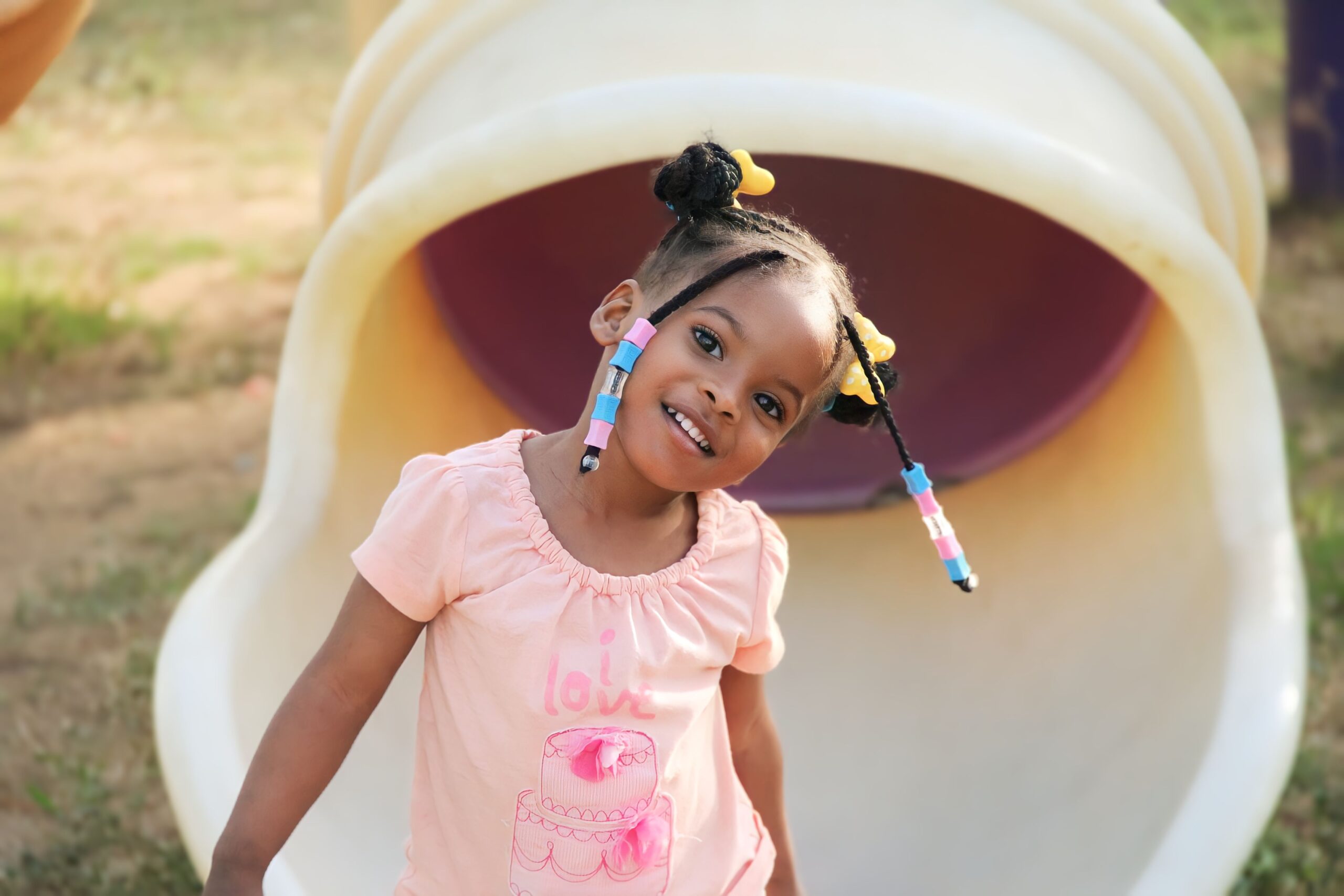
Unlike toddlers, who often spend much of the day with a parent or caregiver, school-age children are constantly moving. Their hair experiences friction from car seats, playground equipment, backpacks, jackets, sports helmets, and classroom activities.
Even a fresh wash-and-go can look completely different after a full day of school.
Instead of expecting curls to look freshly styled from morning until bedtime, it’s often more helpful to focus on long-term hair health and realistic routines.
If you’re caring for a younger child, you may also find my Toddler Curly Hair Routine guide helpful for building a foundation before the school years begin.
What Parents Should Focus on Instead
1. A Healthy Scalp
Healthy hair starts with a healthy scalp.
If your child’s scalp is clean and comfortable, you’re already doing one of the most important parts of curly hair care.
Watch for:
- Excessive buildup
- Flaking
- Persistent itching
- Signs of irritation
- Lice during the school year
A gentle shampoo is usually enough for most children, while occasional clarifying may help if heavy products are being used regularly.
2. Consistent Wash Days
Children don’t need complicated 10-step routines. What matters most is consistency.
Whether your family washes hair weekly or every other week, creating a predictable routine can help reduce tangles and make hair care less stressful.
A simple routine may include:
- Shampoo
- Conditioner
- Detangling
- Leave-in conditioner
- Simple styling
Keeping the process simple often leads to better long-term results than constantly switching products or routines.
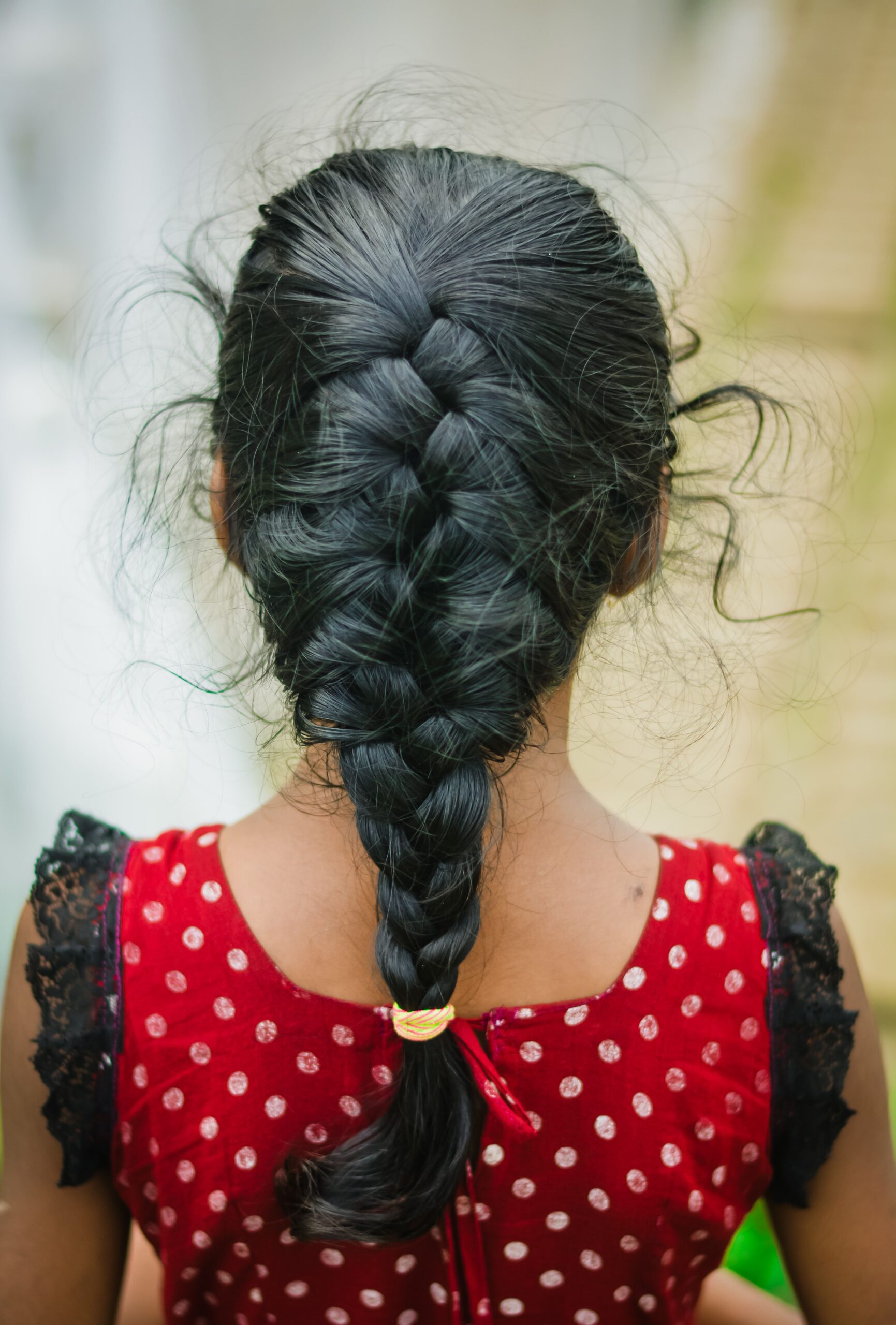
3. Protective Styles for Busy Weeks
Protective styles can be especially helpful during school weeks, vacations, and busy seasons.
Some easy options include:
- Braids
- Twists
- Puff styles
- Low buns
- Ponytails with minimal tension
Protective styles help reduce daily manipulation while keeping the hair manageable throughout the week.
Remember that protective styles should be comfortable. If a style is causing pain or excessive tension, it’s usually too tight.
4. Teaching Hair Independence
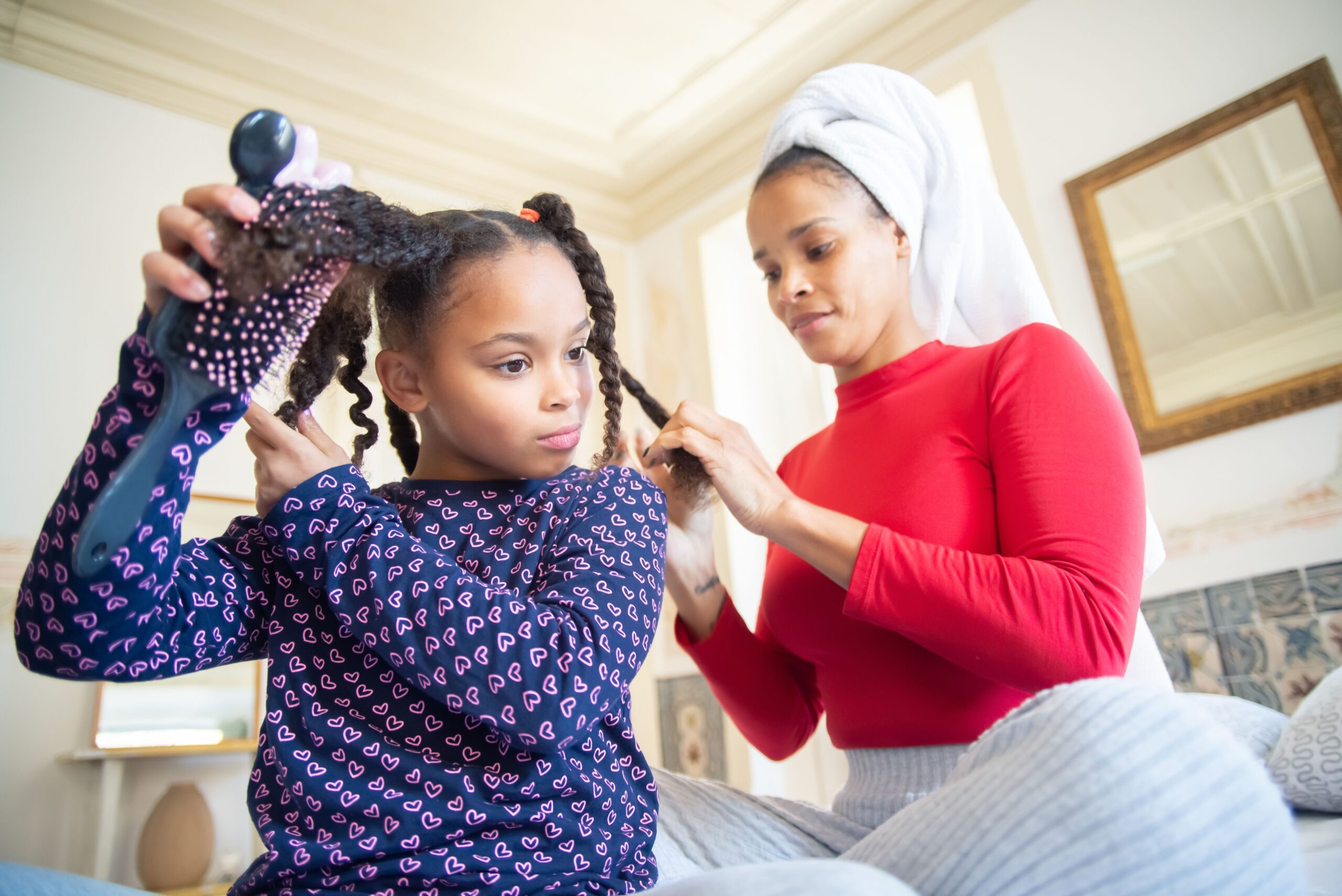
As children get older, one of the best things parents can do is begin teaching basic hair care skills.
Depending on your child’s age, they can learn how to:
- Use a spray bottle to refresh curls
- Apply leave-in conditioner
- Sleep with a bonnet or satin pillowcase
- Recognize when hair feels dry
- Help with simple detangling
Building these habits early can help children feel more confident caring for their own hair as they grow.
Signs You May Be Chasing Perfection
Many parents don’t realize they’re putting pressure on themselves until hair care becomes frustrating.
Some common signs include:
- Refreshing curls every morning
- Restyling hair daily
- Using excessive amounts of product
- Becoming frustrated with normal frizz
- Feeling disappointed when curls don’t last all week
- Dreading wash day
If this sounds familiar, it may be time to simplify your routine.
Products That Can Make Curly Hair Care Easier
The best products aren’t always the most expensive ones.
For most school-age children, focus on products that make routines easier to manage.
Detangling Brush
A good detangling brush can help reduce breakage and make wash days more comfortable.
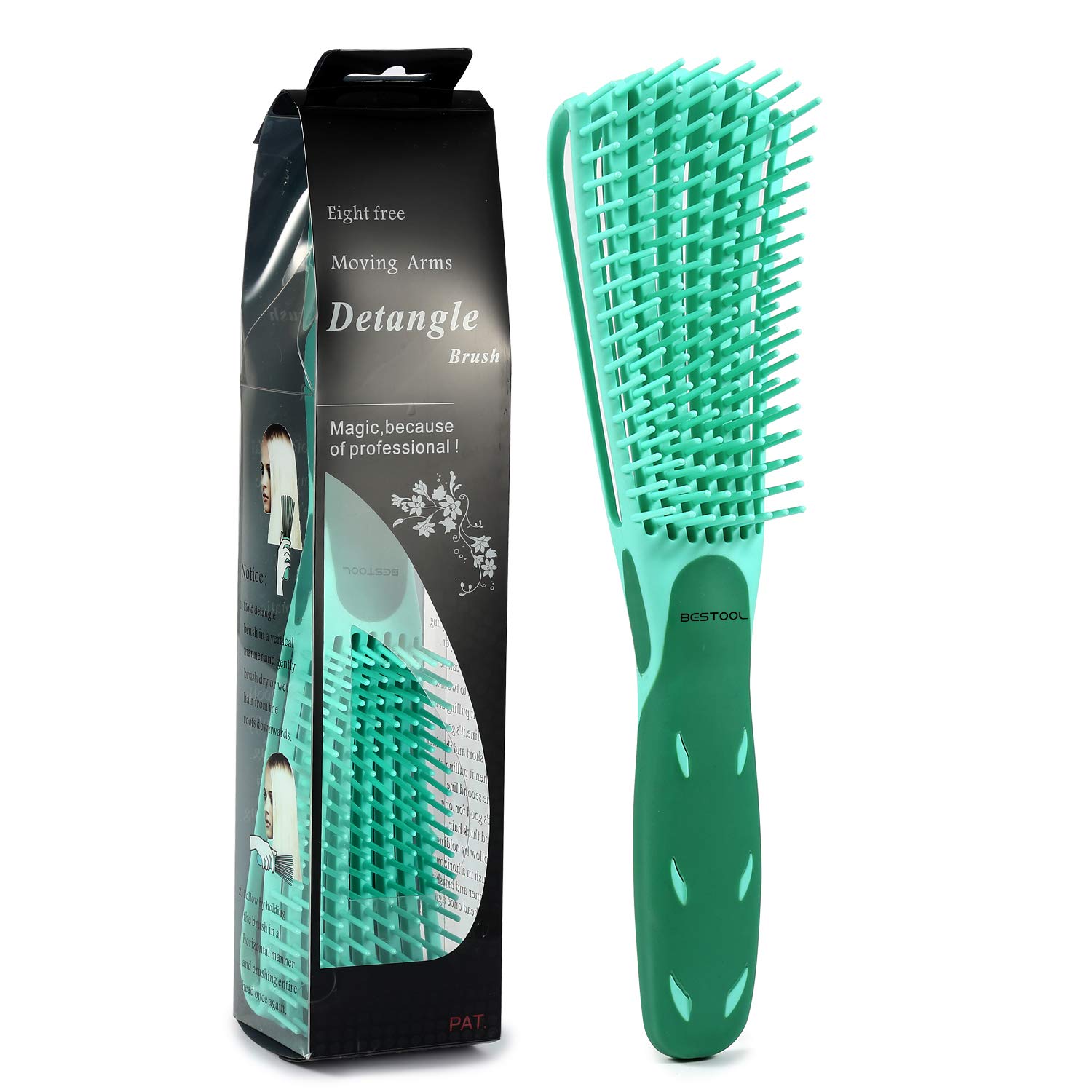
BESTOOL Detangling Brush
Best for thicker curls and stubborn tangles.
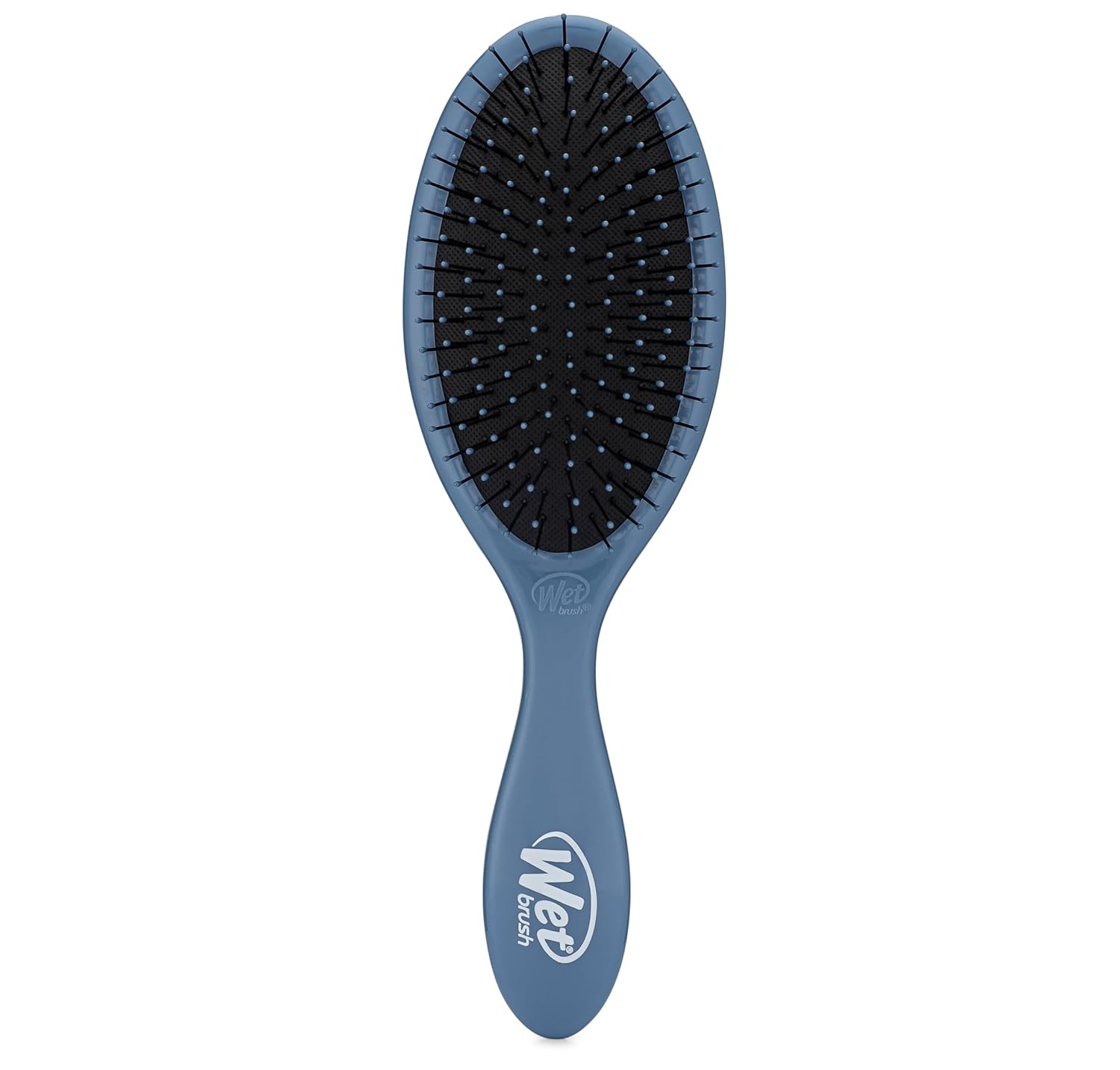
Wet Brush
Best everyday detangling brush for most curl types.
Leave-In Conditioner
A lightweight leave-in can help maintain moisture between wash days without creating heavy buildup.
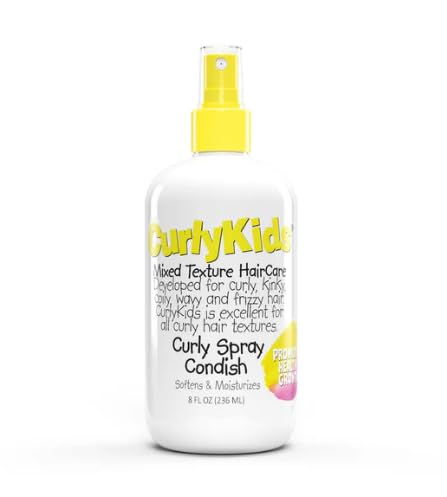
Curly Kids Leave-In
Best budget-friendly leave-in for moisture and curl refreshes.
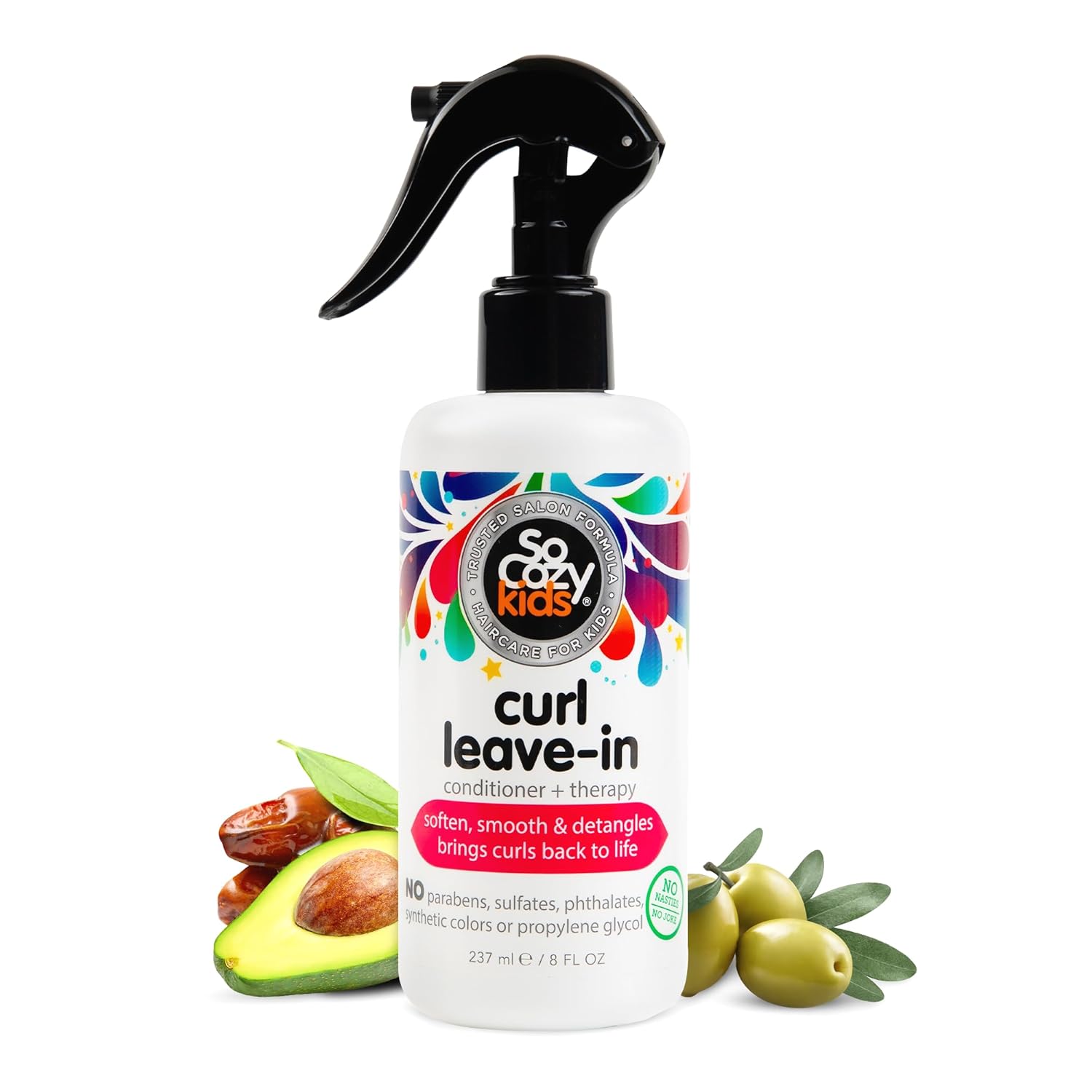
So Cozy Kids Leave-In
Best lightweight leave-in for fine curls and busy mornings.
Spray Bottle
One of the simplest tools for refreshing curls and reactivating products.
Satin Pillowcase
Reducing friction overnight can help minimize tangles and extend styles longer between wash days.
Soft Hair Ties and Satin Scrunchies
These can help reduce tension and breakage compared to traditional elastics.
Looking for additional curly hair products for children? Browse my complete Curly Kids Hair Care Shop for more recommendations organized by curl type, routine, and budget.
Realistic Goals for School-Age Curly Hair Routine
Instead of aiming for perfect curls every day, focus on:
- A healthy scalp
- Moisturized hair
- Gentle detangling
- Minimal breakage
- Comfortable styles
- Healthy hair habits
These goals are far more sustainable for both parents and children.
School-Age Curly Hair Routine FAQs
How often should school-age children wash curly hair?
There isn’t a single schedule that works for every child. Many children with curly hair do well washing once a week, while others may need more frequent cleansing if they participate in sports, sweat heavily, or use multiple styling products. The goal is to keep the scalp clean while maintaining moisture.
How can I reduce tangles in my child’s curly hair?
Regular conditioning, gentle detangling, protective styles, and nighttime protection can all help reduce tangles. Using a satin pillowcase or bonnet and keeping hair moisturized may also make hair easier to manage between wash days.
When should children start learning to care for their own curly hair?
Many children can begin learning simple hair care skills during elementary school. Depending on their age and maturity level, they may be able to help with refreshing curls, applying leave-in conditioner, protecting their hair at night, and assisting with wash-day routines.
Final Thoughts
Curly hair doesn’t need to look perfect every day to be healthy.
Children should be allowed to run, play, learn, explore, and simply be kids without parents feeling pressure to constantly restyle their hair.
The goal isn’t perfect curls. The goal is healthy hair, healthy habits, and routines that fit real life.
When you focus on consistency instead of perfection, curly hair care becomes much easier—and much more enjoyable for everyone involved.
If you’re just beginning your child’s curly hair journey, be sure to read my Cradle Cap & Curly Hair Guide, where I share gentle tips for managing flakes, scalp buildup, and cradle cap during infancy.
Let’s Make Inbox Magic
Join my circle to unlock the Curly Mama Freebie Library, your all-access pass to printables, checklists, and resources made for busy moms and curly hair lovers.
Already subscribed? Click here to access the Freebie Library.




One Comment