
Toddler Curly Hair Products & Routine: A Stress-Free Guide for Moms
Product images are sourced from the official brand websites or authorized retailer listings for identification purposes. This post may contain affiliate links, which means I may earn a small commission if you purchase them at no extra cost to you. All opinions are my own. See my full disclosure here.
Caring for a toddler with curly hair can feel like a full-time job, the tangles, the tears, the little hands fighting the comb like it’s a villain. But it doesn’t have to be that dramatic. With the right toddler curly hair products and a simple routine, you can keep their curls soft, healthy, and defined without losing your sanity.
In this guide, you’ll get a mom-tested routine, product recommendations, and tips for tender-headed toddlers so wash days finally feel easy.
Simple Step-by-Step Toddler Curly Hair Routine to Manage Their Curls
Detangling toddler curls is the most sensitive part of wash day, especially if your little one is tender-headed. Looser curls (2C–3A) tangle mostly at the ends, while tighter curls (3B–3C) tend to knot closer to the roots. Understanding this can make detangling gentler and less stressful for both of you.
1. How to Detangle Toddler Curly Hair with Ease
- Why it matters: Detangling before washing reduces breakage and helps prevent painful tugging. Curly hair shrinks when dry, so starting with the right technique keeps curls intact and your toddler calm.
- How to do it:
- Add water first, even if you’re using a detangler or leave-in. Water helps soften the hair so products spread more evenly, rather than sitting on top of it and feeling sticky.
- Gently use your fingers or a wide-tooth comb to reduce snagging and discomfort.
- Work in sections; even two or four sections can make a huge difference with toddlers.
Curl-Type Guide for Detangling
2C–3A (looser waves/curls):
- Tangles usually form more around the ends.
- Focus on brushing gently from the ends upward.
- Lightweight detanglers are usually enough.
3B–3C (ringlets/coils):
- Tangles can form throughout the hair, especially in the middle sections.
- Work slowly in smaller sections and use products with good slip.
- Detangle from the ends upward.
4A–4C (tight coils/kinks):
- Hair may tangle more easily near the roots and shrink quickly.
- Focus on moisture, gentle sectioning, and finger detangling first, when possible.
- Use extra patience and avoid rushing through knots.
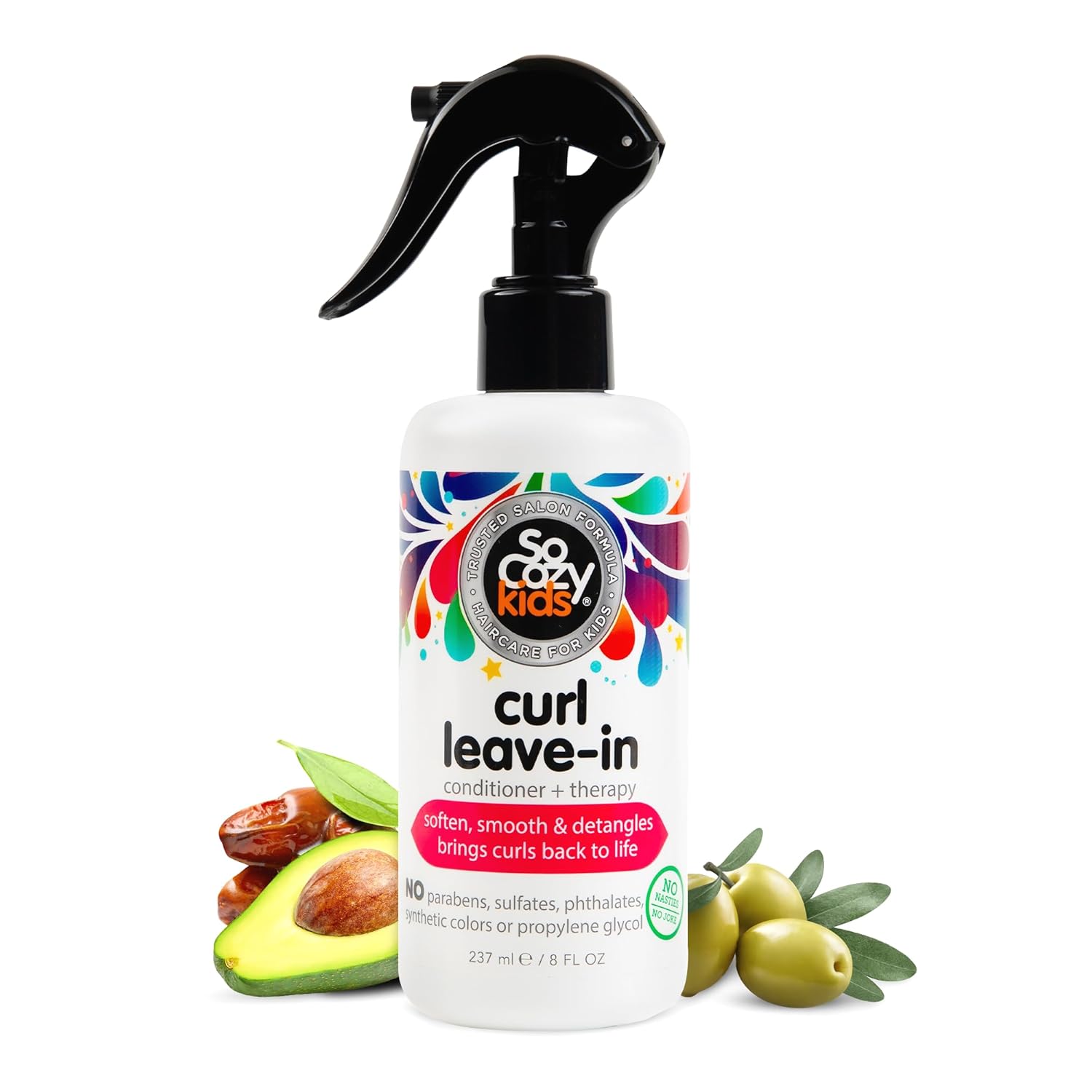
So Cozy Kids Curl Leave-in
Lightweight leave-in spray that helps soften tangles and reduce frizz without feeling heavy or sticky. Works well on damp hair before detangling.
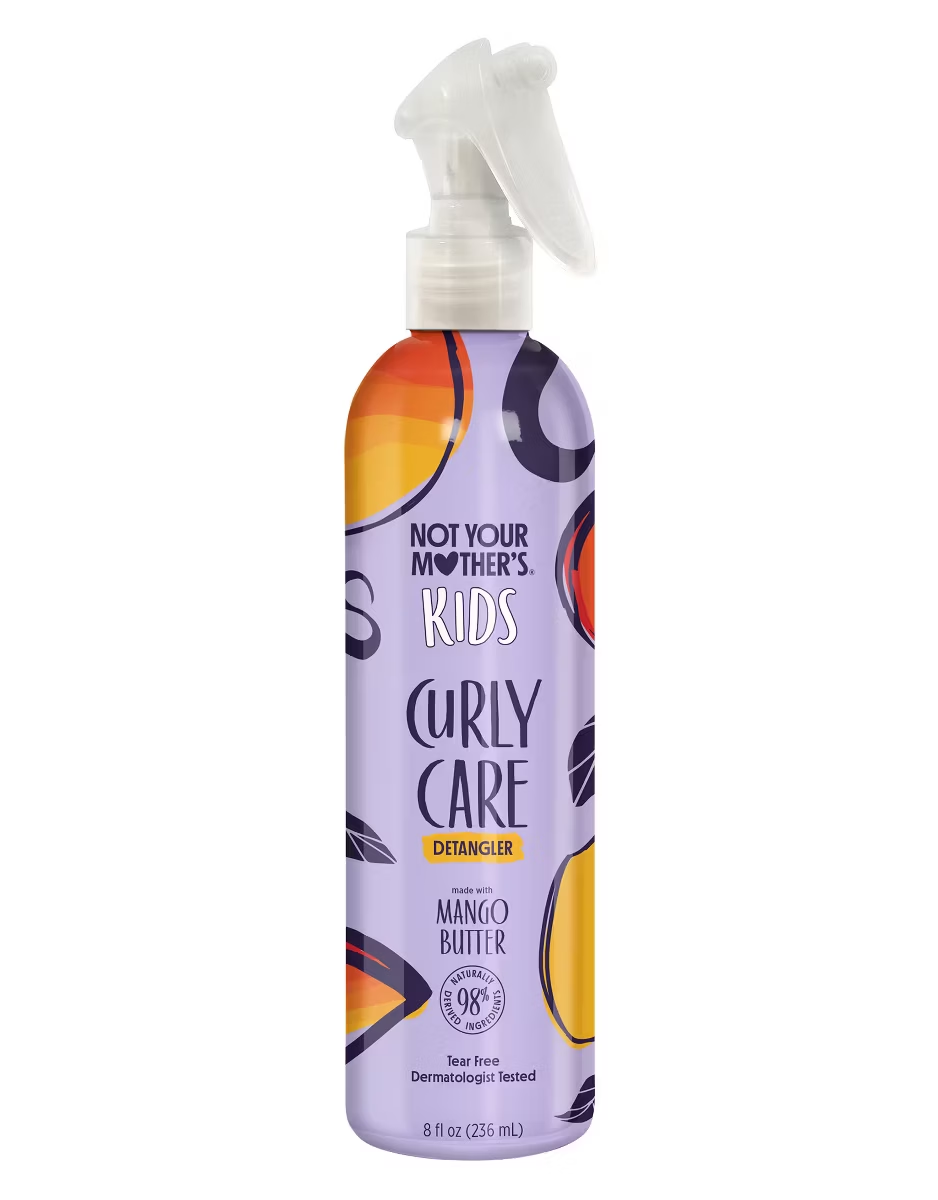
Not Your Mother’s Kids Curl Care Detangler (Tear-Free)
Lightweight detangler that helps soften knots and refresh curls between wash days. Great for tender-headed toddlers and quick morning routines.
2. Washing Tips for Toddler Curly Hair
- Why it Matters: Curly hair already struggles to hold moisture, and harsh shampoos strip the natural oils toddlers need. A moisturizing shampoo keeps their curls soft, reduces frizz, and prevents dry, itchy scalps.
- What to use: For toddlers, stick to gentle, tear-free formulas that clean the hair without causing dryness or irritation. If your child has drier or tighter curls, you may prefer a richer moisturizing shampoo. For finer curls, lightweight formulas are usually enough.
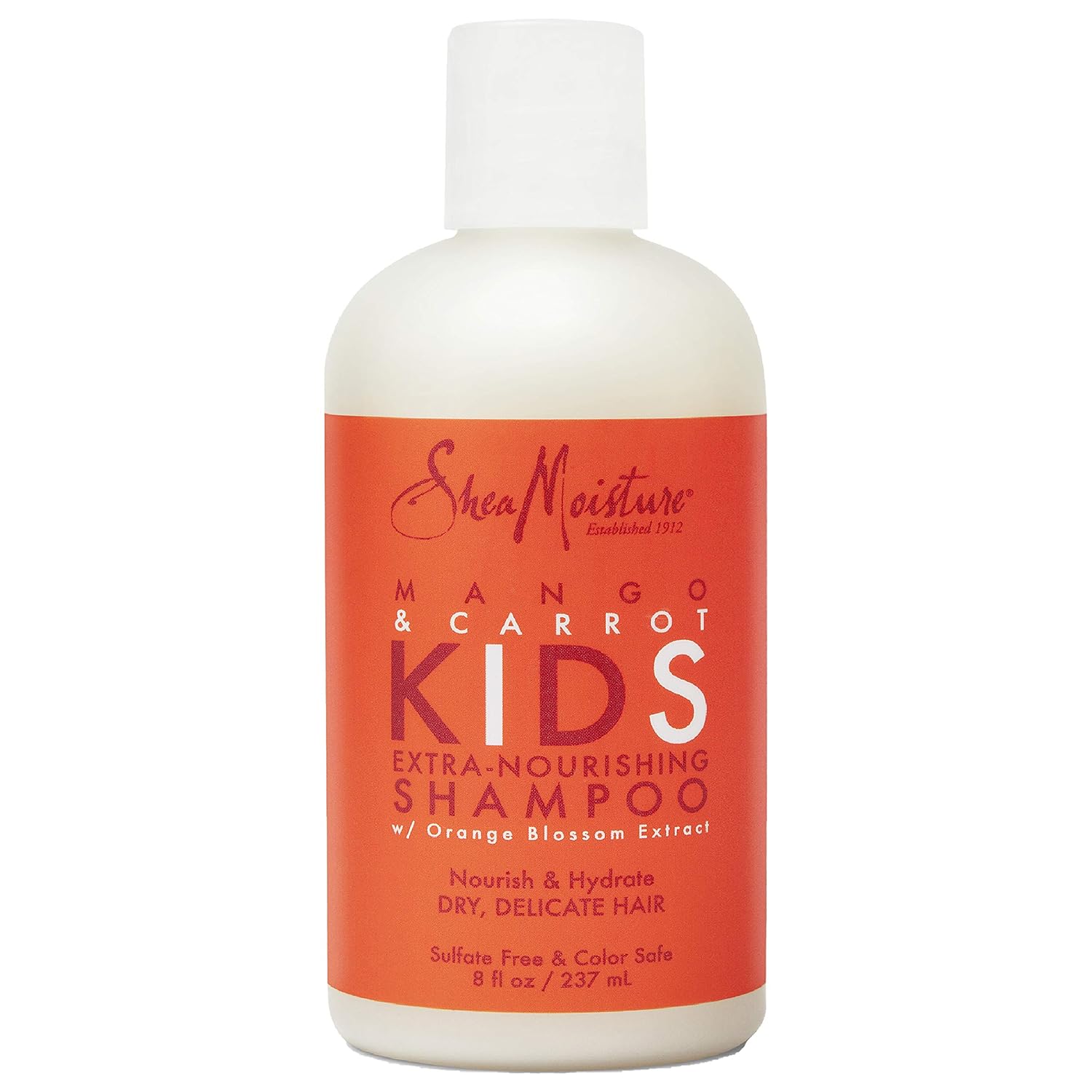
SheaMoisture Extra – Nourishing Shampoo
Gentle moisturizing shampoo that cleans without stripping the hair. A good option for toddlers with drier curls or sensitive scalps.

Aquaphor Baby Wash & Shampoo
Gentle tear-free wash for babies and toddlers with sensitive skin or scalp irritation. Simple, lightweight, and easy to use during bath time.
3. Best Conditioner for Toddler Curly Hair
- Why it matters: Conditioner softens curls, adds slip, and makes detangling easier. It also helps prevent frizz and breakage, especially on dry, tangle-prone toddler curls.
- How to do it: Apply conditioner generously after shampooing. Detangle while the conditioner is in the hair using a detangling brush or wide-tooth comb, always working from the ends upward.
Pro tip: If the hair isn’t detangling easily, add more water first, then more conditioner. Water helps activates slip, especially for thicker or tighter curl patterns.
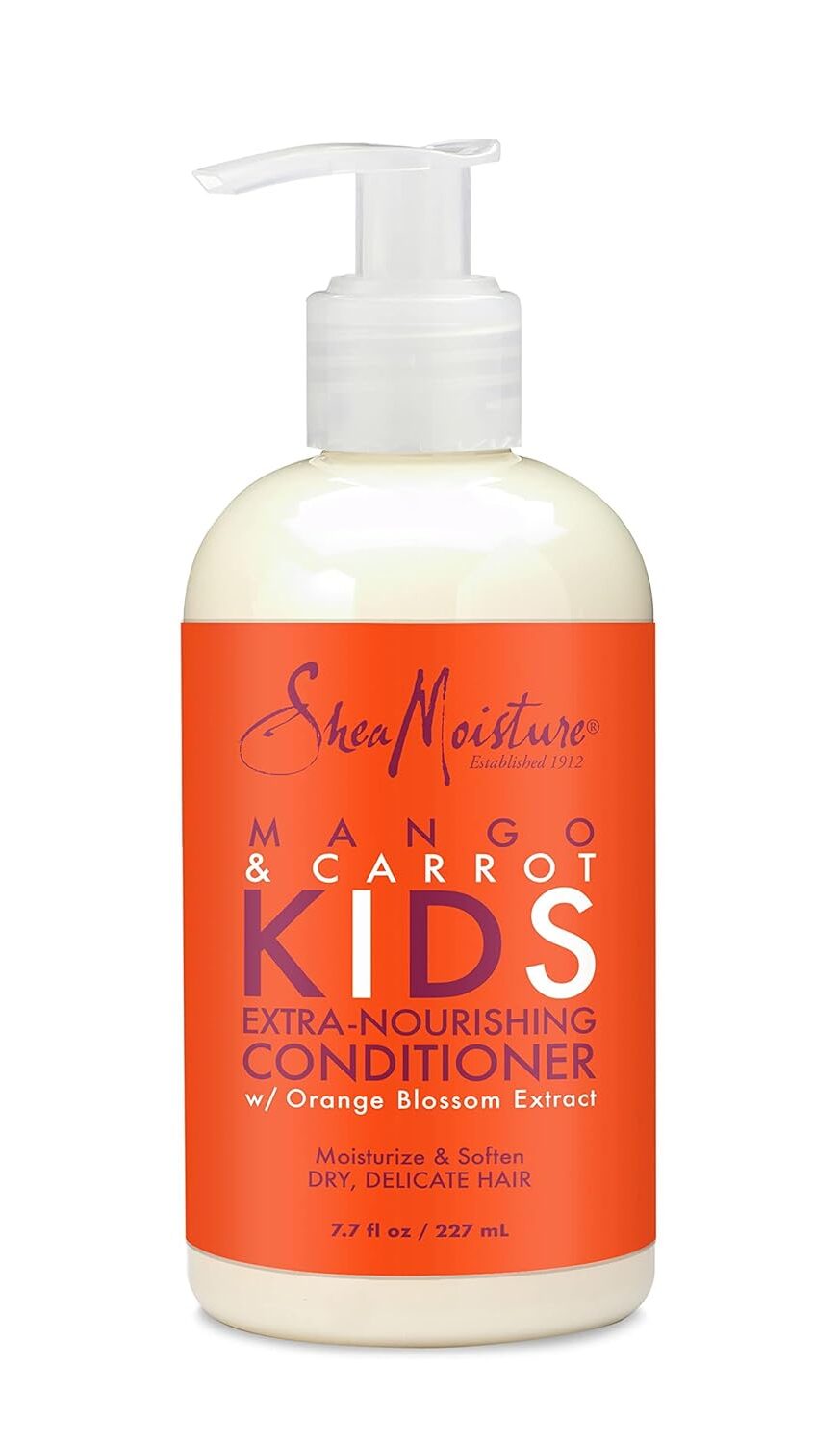
SheaMoisture Kids Conditioner
Moisturizing conditioner that helps soften tangles and make detangling gentler for drier or more tangle-prone curls.
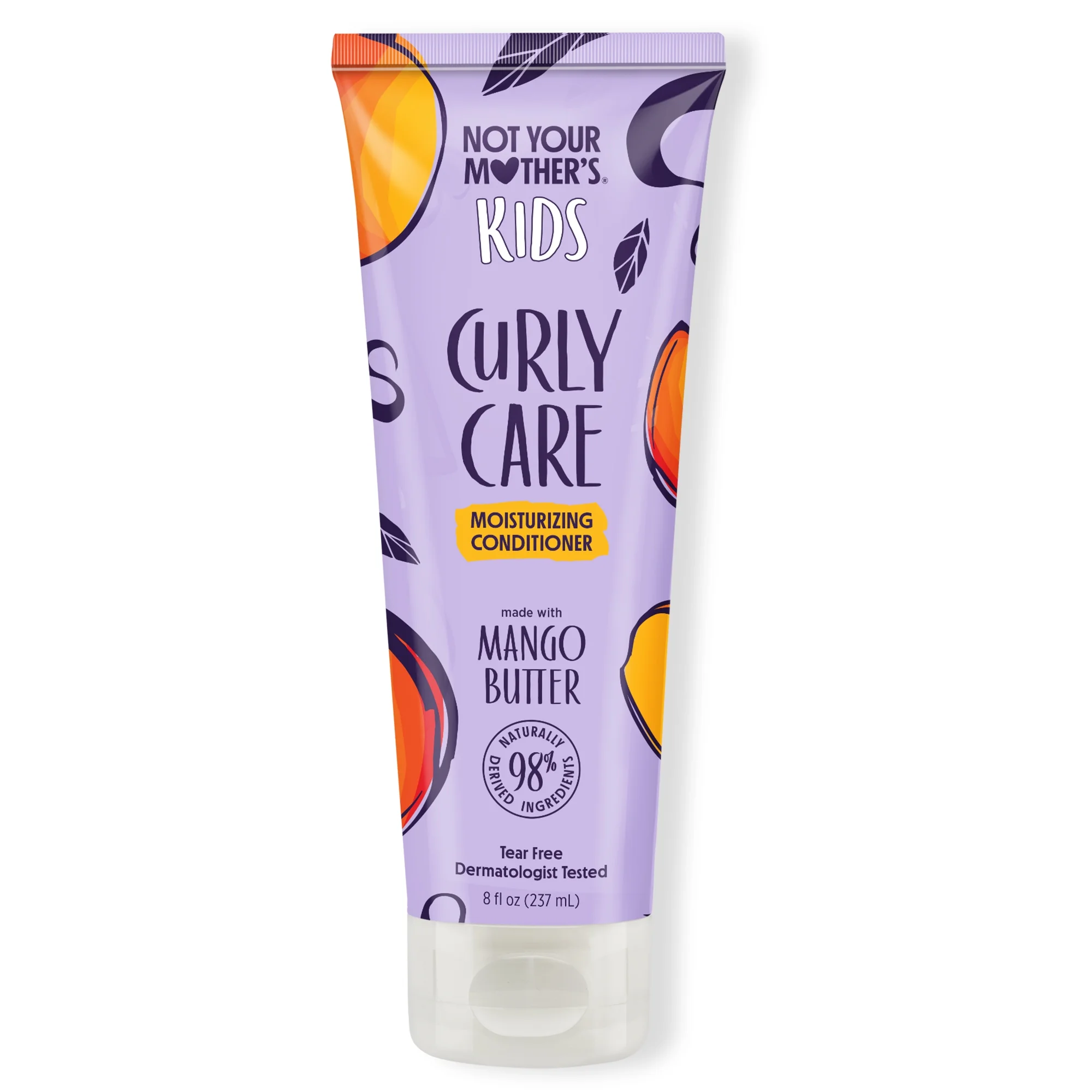
Not Your Mother’s Curl Conditioner
Lightweight conditioner that helps soften curls without feeling heavy. A good option for finer curl patterns or quick wash days.
4. Styling & Moisturizing: Keep It Simple
- Use a leave-in or light cream to help keep the hair soft and moisturized. Toddlers don’t need heavy stylers; lightweight creams and leave-ins keep curls soft without buildup.
- Choose toddler-friendly styles. Stick to gentle, low-tension looks like puffs, loose ponytails, or soft headbands to avoid scalp tugging.
- Skip gels for daily use. Heavy stylers and gels usually aren’t necessary for daily toddler routines, so it’s often better to save them for special occasions.
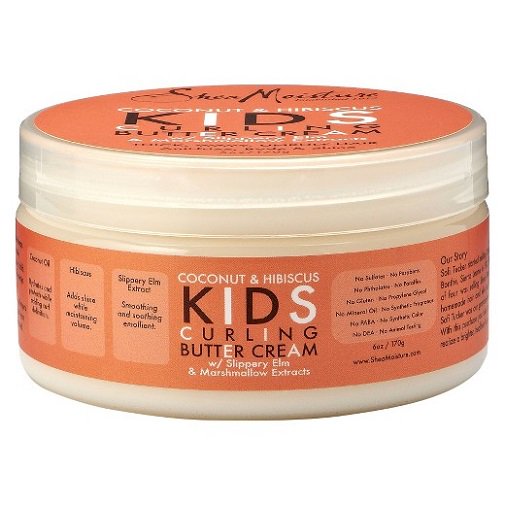
Shea Moisture Curl Cream
Rich curl cream that helps soften and moisturize thicker or drier curls. Start with a small amount to avoid buildup.
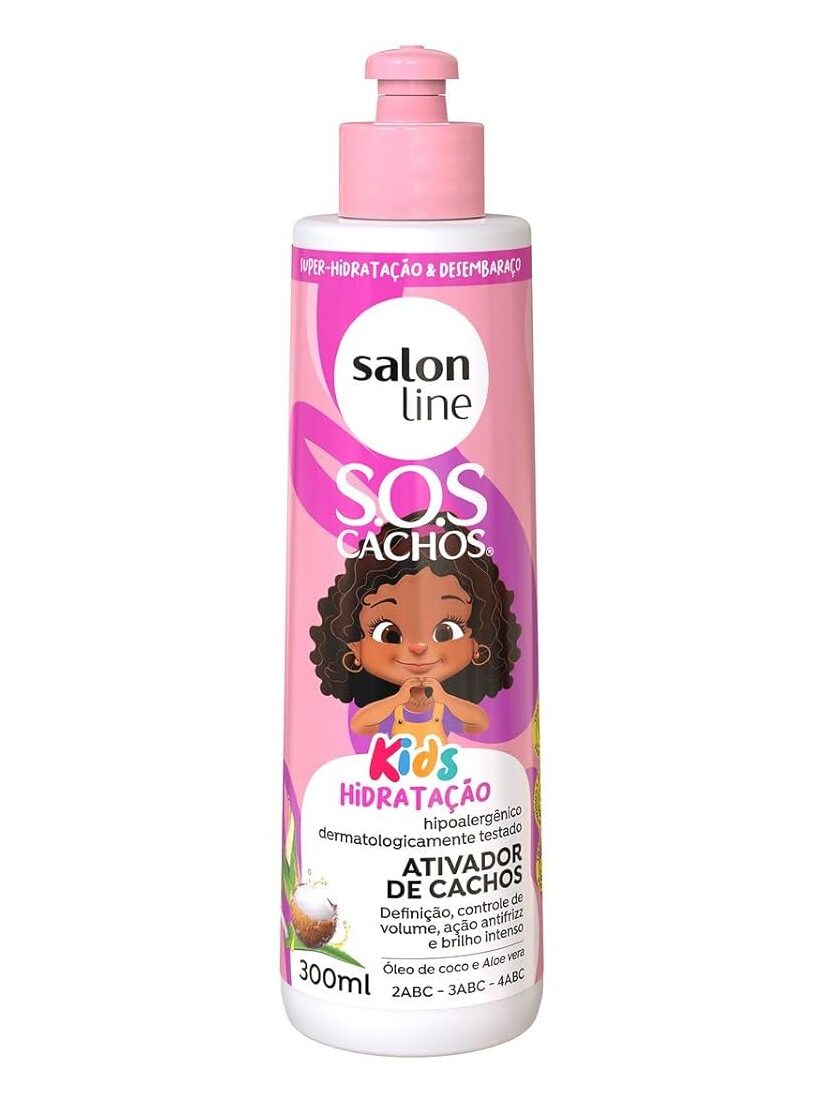
Salon Line SOS Cachos Kids Curl Activator
Lightweight curl activator that softens curls and reduces frizz without feeling too heavy. Good for quick styling routines.
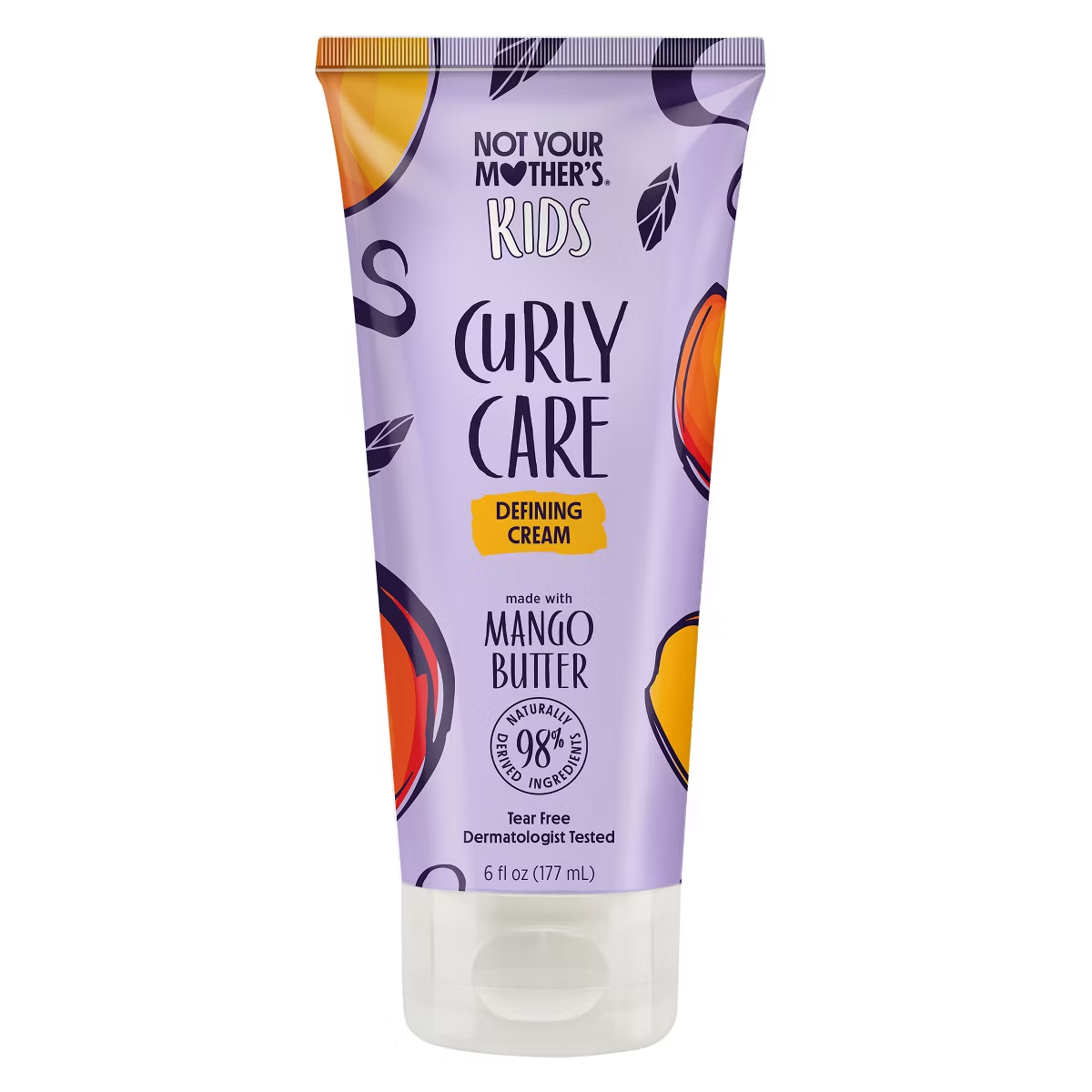
Not Your Mother’s Kids Curl Defining Hair Cream
Lightweight curl cream that adds soft hold and helps smooth frizz without weighing the hair down.
5. Drying: Minimize Frizz
- Use a microfiber towel or a soft T-shirt to gently blot excess water instead of rubbing the hair, which can cause frizz and tangles.
- Apply a leave-in conditioner or a light curl cream while the hair is still damp in cooler months, or while it’s soaking wet in hotter, drier weather, to help keep curls soft and moisturized.
- Toddlers usually do best with lightweight moisture products rather than heavy styling products or strong-hold gels.
- Loose styles like puffs, braids, or low ponytails can help reduce friction and keep the hair manageable while it dries.
Pro Tip: Air-drying is usually the gentlest option for toddlers since their hair and scalp are still delicate. If you occasionally use heat, keep it on a low setting and avoid excessive tension while styling.
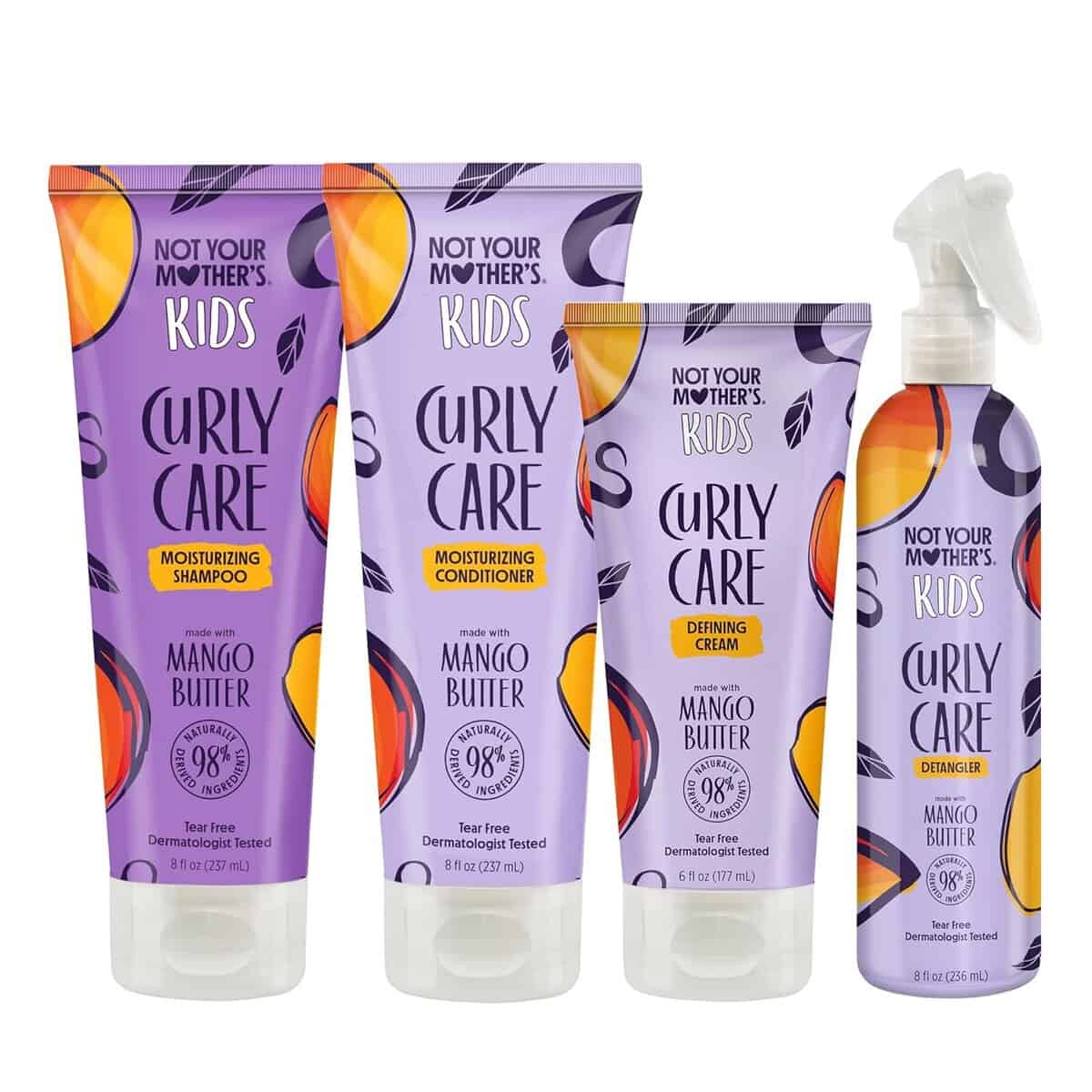
Not Your Mother’s Kids Curly Care Complete Kit
A simple, all-in-one routine for parents who prefer sticking to a single product line. The products are lightweight, easy to layer, and work well for keeping toddler curls soft and manageable without overcomplicating wash day.
6. Nighttime Protection: Curls That Last Overnight (Optional)
- Protect curls overnight with a satin bonnet or silk pillowcase. Both reduce friction and help prevent frizz and tangling overnight.
- If your toddler won’t keep a bonnet on (which is very common), use a silk pillowcase instead; it can still help reduce friction overnight while feeling more natural for some toddlers.
- For longer curls, you can loosely gather the hair on top of the head or lightly smooth a small amount of leave-in over dry areas before bed.
Tips for Tender-Headed Toddlers
Caring for a tender-headed toddler can be tough, but these little tricks make the whole process smoother:
- Keep them occupied: Put on a show or hand them a toy while you work through their hair.
- Be patient: Always start detangling from the ends and work your way up.
- Take breaks: Short sessions with quick pauses help prevent meltdowns and overstimulation.
- If your toddler becomes overwhelmed, it’s okay to pause and come back later.
Essential Tools for Toddler Haircare (Optional)
- Wet Brush – Gentle for detangling curls while helping reduce pulling and tension.
- Detangling Comb – Helpful for gently working through knots and sectioning the hair during wash day.
- Hair Wash Bin – Can make wash days easier for parents who prefer washing hair outside the bathtub or shower.
- Shampoo Mat – Helpful for sink washes and for toddlers who struggle to stand during wash day.
Easy Styling Ideas for Busy Mornings
Here are a few simple, low-tension styles that can help reduce tangling and make busy mornings easier:
- Loose Puff: Gather the hair loosely with a soft elastic to help keep curls contained without pulling too tightly on the scalp.
- Gentle Braids: Simple braids can help reduce tangling and make hair easier to manage throughout the week.
- Low Ponytails: Low ponytails are quick, comfortable, and usually easier for toddlers to tolerate than tighter styles.
- Loose Top Puff for Shorter Curls: For shorter curls, loosely gathering the hair upward can help reduce friction and keep curls out of the face.
FAQs about toddler curly hair routine
How often should I wash my toddler’s Curly Hair?
Wash their hair once or twice a week using a gentle shampoo designed for kids. Some toddlers may need more or less, depending on activity level, buildup, and hair texture.
My toddler hates having their hair detangled. What can I do?
Use a detangling spray or conditioner, starting at the ends and working your way up. Keep them occupied with a toy or show, and if the process becomes overwhelming, it’s okay to take breaks and come back later.
How can I reduce frizz in my toddler’s hair?
Gently blot the hair with a microfiber towel or soft T-shirt instead of rubbing it dry. Applying a lightweight leave-in or curl cream while the hair is still damp can also help reduce frizz and keep curls soft.
What’s the best way to protect curls overnight?
Use a satin bonnet, silk pillowcase, or satin crib sheet to reduce friction while they sleep. This helps preserve their curls, minimize tangles, and helps reduce friction and tangling overnight.
My toddler has a sensitive scalp. What should I do?
Stick to gentle detangling methods and use hypoallergenic, tear-free products. Avoid tight hairstyles that irritate the scalp, and always be patient during haircare sessions. If you notice persistent irritation, dry patches, or discomfort, check in with your pediatrician or dermatologist.
Final Thoughts
Caring for your toddler’s curls doesn’t have to feel overwhelming. With a simple routine, gentle products, and a little patience, haircare can become a calmer, more manageable part of your shared routine.
Some days will feel easy, and some days won’t, and that’s completely normal. The goal isn’t perfection. It’s about keeping their hair healthy while creating routines that work in their real lives.
Just keep showing up with consistency, patience, and care. Their curls and confidence will grow right along with them.
More Toddler Curl Resources You May Find Helpful
Struggling with flakes or buildup? Read my full guide on Cradle Cap & Curly Hair, where I break down gentle removal methods, common triggers, and what actually worked for my son.
Want a quick visual to save on your phone? Here’s the Pinterest pin for this routine so you can easily refer back to it later.
Need more curl routines, seasonal tips, and porosity guides? Visit the Curly Hair Resource Guide for seasonal routines, porosity tips, and product recommendations for different curl types.
Let’s Make Inbox Magic
Join my circle to unlock the Curly Mama Freebie Library, your all-access pass to printables, checklists, and resources made for busy moms and curly hair lovers.
Already subscribed? Click here to access the Freebie Library.



3 Comments