
How to Fix Heat Damaged Hair (Without Going Cold Turkey on Heat)
Product images are sourced from the official brand websites or authorized retailer listings for identification purposes. This post may contain affiliate links, which means I may earn a small commission if you make a purchase through them at no extra cost to you. All opinions are my own. See my full disclosure here.
If you’ve stopped using heat and your curls didn’t instantly bounce back, you’re not alone.
I understand how frustrating that can feel. Waiting for your hair to respond is daunting, especially if you’re not ready to big chop. That’s why having a reset plan matters.
One of the biggest misconceptions in the natural hair space is that quitting heat automatically restores your pattern. It doesn’t. Heat damage is structural. And structural changes don’t reverse overnight.
This guide breaks down what heat damage recovery actually looks like — and how to approach it based on porosity, not curl type. Curl type only describes your hair’s appearance. What actually determines how your strands respond is your porosity how well they absorb and retain moisture.
If you plan to use heat again in the future, I also go deeper into safe heat practices in my heat protectant article linked here.
What Actually Happens After Heat Damage
When hair experiences repeated direct heat — especially from flat irons and curling irons — several things happen:
- The protein structure weakens
- Elasticity decreases
- The cuticle becomes rough or lifted
- Some sections lose curl definition
- Frizz increases
- Density feels thinner before it feels stronger
What most people notice first, it’s fullness. Hair begins to feel stronger before it looks defined again.
And recovery isn’t uniform. Some areas bounce back faster. Others lag behind. That doesn’t mean your routine isn’t working. It means your hair is rebuilding.
Recovery is measured in months — not weeks.
The 4 Pillars of Heat Damage Recovery
Before we talk products or styling, it helps to understand the core principles that guide recovery.
1. Reduce Heat Strategically (Not Emotionally)
When I dealt with heat damage in high school, the solution wasn’t quitting heat completely. It was changing how I used it.
The problem wasn’t that I heat-styled my hair. It was that I was using a curling iron weekly. Even with a heat protectant, frequency adds stress.
Instead of reheating my strands constantly, my mom shifted my styling method:
- Roller sets for the length
- Hooded dryer instead of direct heat
- Blow-drying roots only
The rollers gave me the loose-curl look I liked without applying direct heat to the ends. My strands stayed stretched and styled, but they weren’t being reheated over and over again.
As my hair recovered, I didn’t completely eliminate the curling iron — I learned when to use it. Once my straight styles were weeks in and had a bit of natural buildup, that actually created a better base for wand curls to hold. I wasn’t applying heat to freshly washed, fragile strands anymore.
2. Choose Products Based on Porosity (Not Curl Type)
This is where most routines go wrong.
Heat damage can make it harder to determine your curl type because the pattern may look stretched, uneven, or undefined. But even then, curl type does not override porosity.
Heat damage directly impacts porosity, and porosity determines what your hair actually needs.
Below is a simplified framework to guide your product selection.
Low Porosity Hair + Heat Damage
Common signs:
- Products sit on the surface instead of absorbing
- Hair feels stiff or coated easily
- Takes longer to fully saturate with water
- Buildup happens quickly, especially after heat styling
Recovery Focus:
- Light, controlled protein support
- Warm water application to encourage absorption
- Clarify before deep conditioning when needed
- Use indirect heat (hooded dryer) to help treatments penetrate
Product Categories to Look For:
- Lightweight protein or bond-support treatment
- Balanced strengthening deep conditioner
- Lightweight leave-in for heat prep (not curl activation)
- Light smoothing oil or serum (use sparingly)
Recommended Products
Start with one strengthening option — not both at the same time.
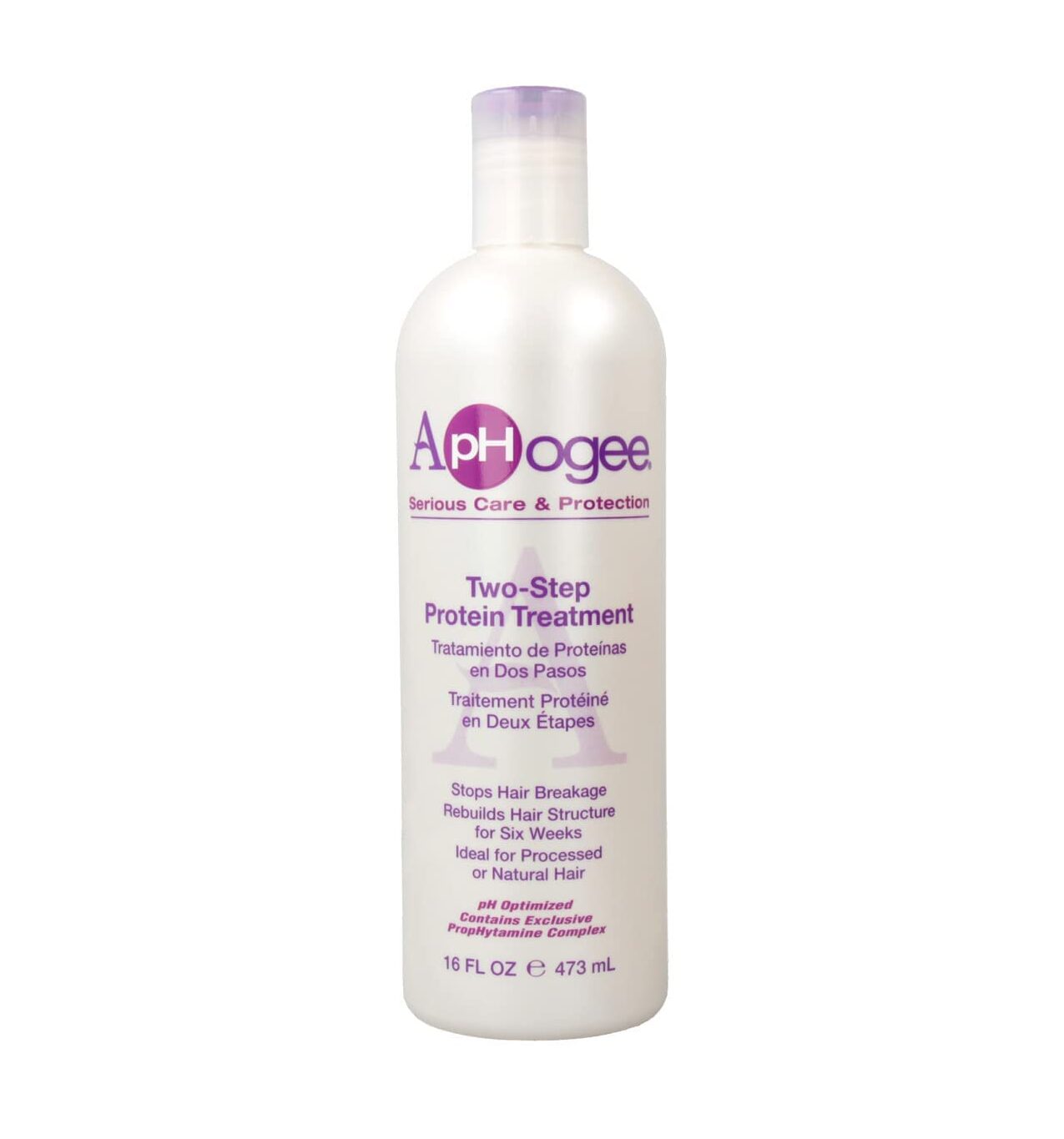
Aphogee Keratin 2 Minute Reconstructor
A lightweight protein treatment for heat-weakened strands.
This may work for you if your curls feel loose or won’t bounce back, your hair stretches easily and feels weak when wet, or you want strength without a heavy, stiff mask.
Best for low porosity hair that feels overly soft or limp. Use every 2–4 weeks. Avoid if your hair already feels stiff or protein-heavy.
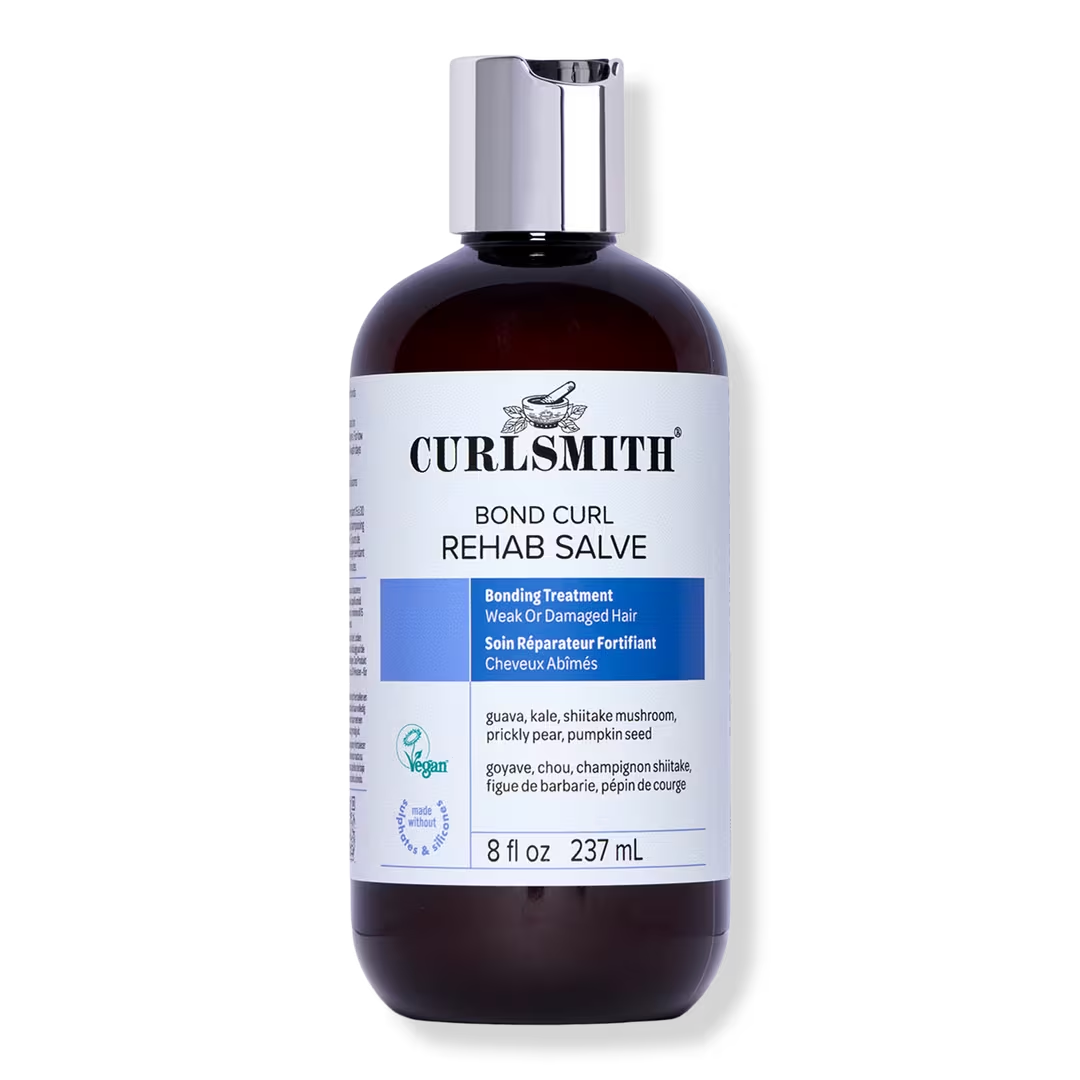
Curlsmith Bond Curl Rehab Salve
A bond-repair treatment designed to strengthen internal hair bonds weakened by repeated heat.
This may work for you if your hair feels damaged but reacts poorly to traditional protein, your curls look inconsistent, or you want rebuilding support without stiffness.
Best for low porosity hair that needs strengthening but overloads easily. Use 1–2 times per month during recovery.
Avoid heavy butters during recovery. They can block moisture from entering the strand. Consistency matters more than layering five products.
Lightweight Deep Conditioner
Pair strengthening treatments with lightweight moisture support to prevent stiffness.
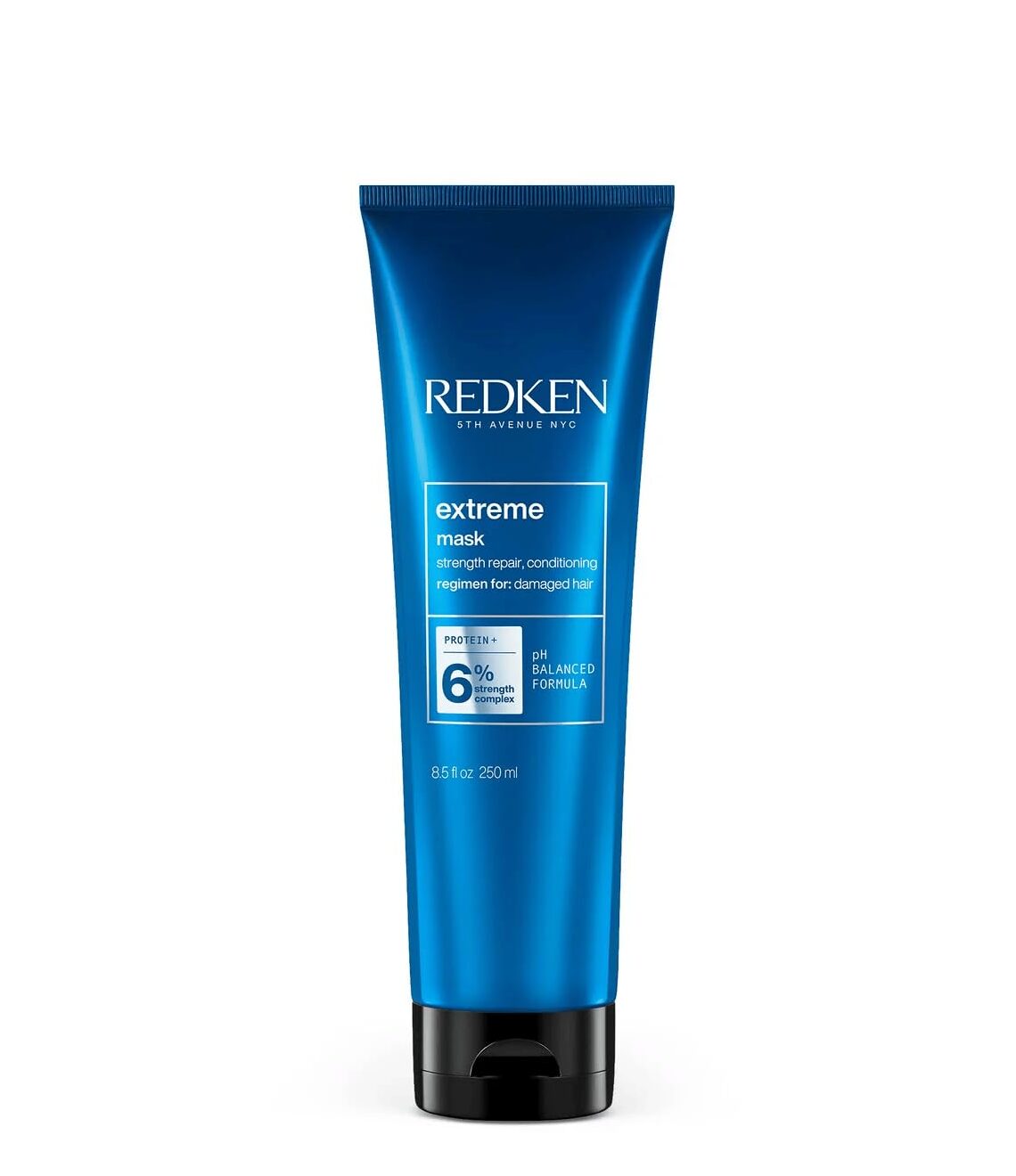
Redken Extreme Strength Builder Plus Mask
A balanced strengthening mask designed to improve elasticity while maintaining softness during heat recovery.
This may work for you if your hair feels slightly weak but not severely damaged, your curls look flat or inconsistent after heat styling, or you need moisture support without heavy buildup sitting on the surface.
Best for hair that needs balanced strengthening without heavy coating. For low porosity strands, use sparingly and focus on controlled moisture during recovery.
Lightweight Leave-In for Heat Styling Prep
Choose lightweight conditioning products that support moisture and slip without activating curls or creating buildup before setting the hair.
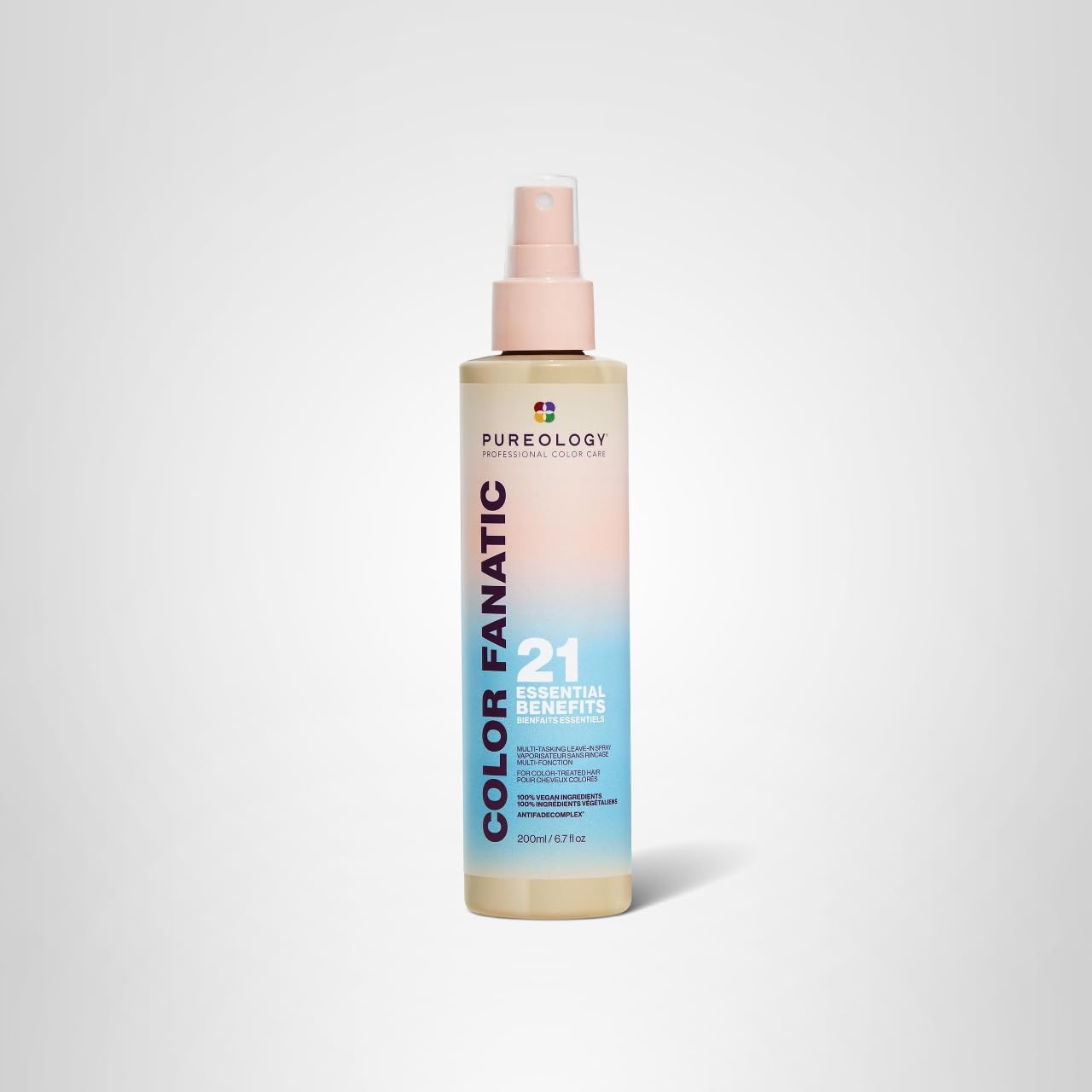
Pureology Color Fanatic Leave-In Spray
A lightweight, multi-benefit spray that detangles and smooths without activating curl pattern.
This may work for you if your hair needs slip before setting, feels slightly dry after deep conditioning, or you want light protection before blow-drying or roller setting.
Best for hair that responds well to lightweight conditioning. Use sparingly before stretched styles or indirect heat.
Light Sealants
Seal only after moisture — the goal is to reduce moisture loss, not coat the hair heavily.
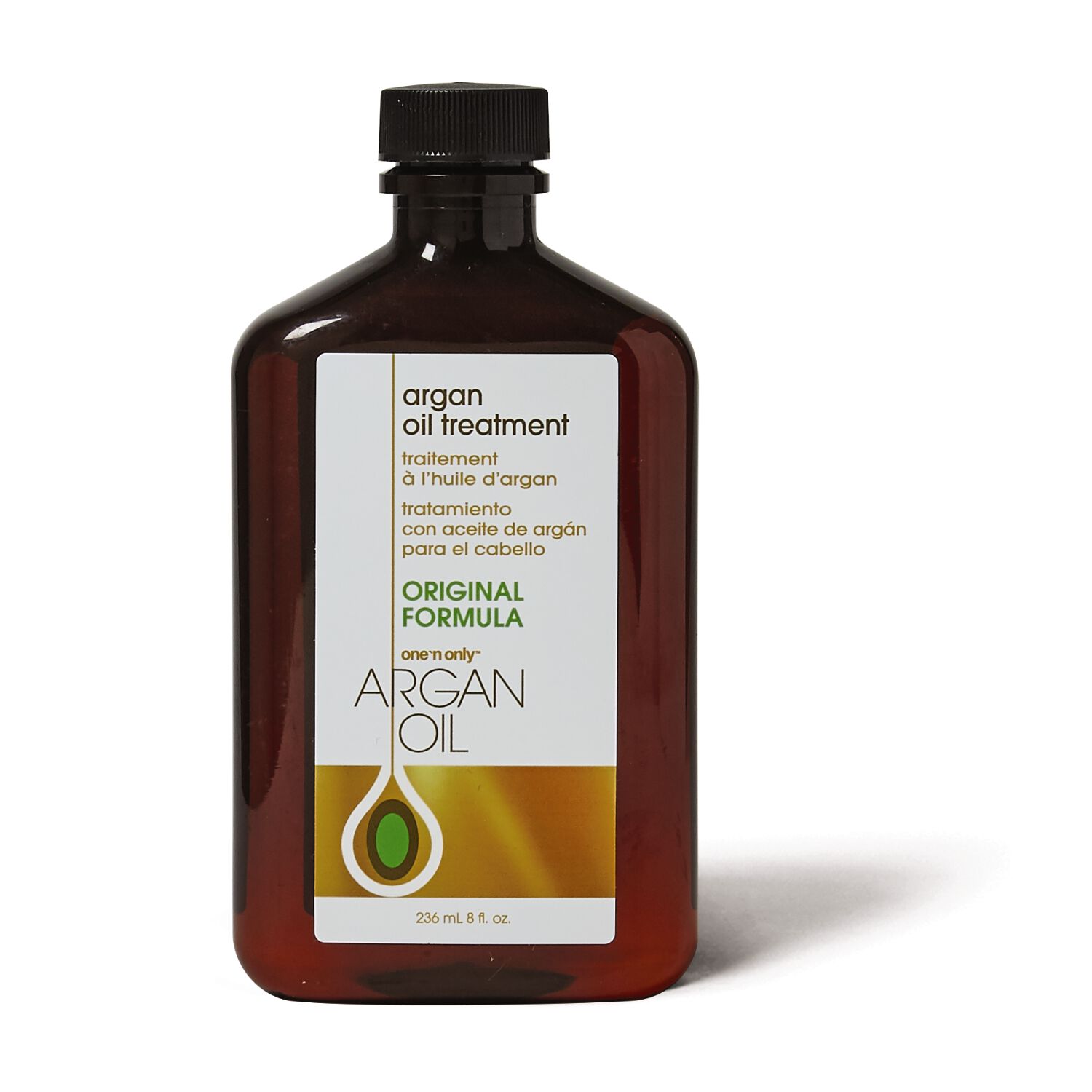
One ‘n Only Argan Oil Treatment
A lightweight oil treatment that smooths the cuticle and reduces frizz without heavy buildup.
This may work for you if your hair feels slightly dry after setting, you need a light finish to reduce frizz, or your strands look dull but not brittle.
Best for low porosity hair that needs a small amount of surface smoothing. Use 1–2 drops on dry or slightly damp hair.
Avoid heavy butters during recovery. They can block moisture from entering the strand. Consistency matters more than layering five products.
Medium Porosity Hair + Heat Damage
Common signs:
- Hair absorbs moisture easily
- Curl pattern partially returns
- Elasticity feels inconsistent
- Hair feels strong some days and weak others
Recovery Focus:
- Balanced protein and moisture rotation
- Bond repair when needed
- Controlled, consistent routines
- Regular trims
Medium porosity hair typically responds well to structure. The biggest setback during recovery is constantly changing products out of frustration.
Recommended Products
Start with strengthening support to stabilize elasticity before focusing on moisture.
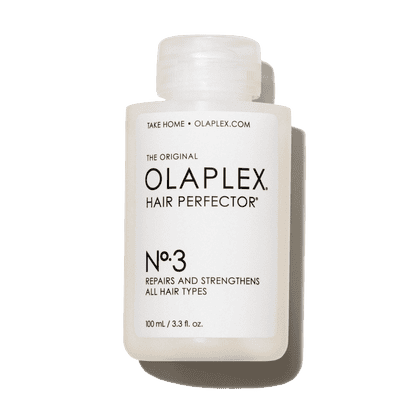
Olaplex No. 3 Hair Perfector
A bond-repair treatment designed to improve elasticity and reduce breakage from repeated heat styling.
This may work for you if your curls partially bounce back but feel inconsistent, your hair stretches but doesn’t snap, or you need rebuilding support without heavy protein stiffness.
Best for medium porosity hair that needs balanced repair. Use weekly during active recovery.
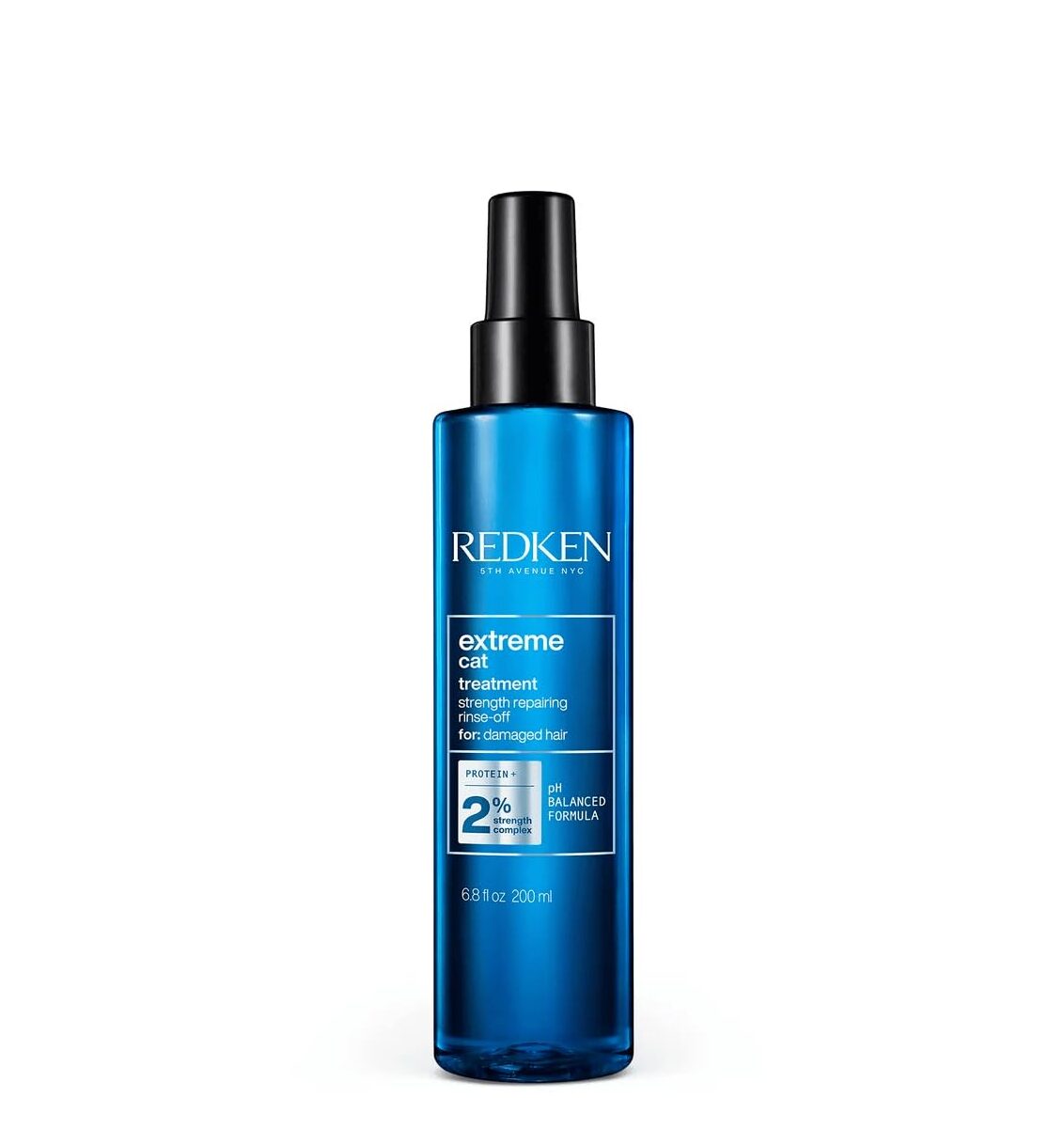
Redken Extreme CAT Protein Treatment
A lightweight protein spray that reinforces weakened strands before heat styling.
This may work for you if your hair feels slightly weak but not severely damaged, or you want light structural support before blow-drying or roller setting.
Best for medium porosity hair that tolerates protein well. Use every 2–4 weeks.
Medium-Weight Deep Conditioner
After strengthening, use a balanced conditioner to maintain elasticity without overloading the strand.
Redken Extreme Strength Builder Plus Mask
A strengthening mask that restores elasticity while maintaining softness.
This may work for you if your hair feels strong but slightly dry, or you need moisture without sacrificing structure.
Best for hair that tolerates balanced protein and moisture well. Ideal for maintaining elasticity during heat recovery.
Leave-In for Heat Prep (Not Curl Activation)
Before blow-drying or roller setting, apply a lightweight leave-in that supports smooth stretched styling without activating curls.
Pureology Color Fanatic Multi-Tasking Leave-In Spray
A lightweight, multi-benefit spray that detangles and smooths without activating curl pattern.
This may work for you if your hair needs slip before setting, feels slightly dry after deep conditioning, or you want light protection before blow-drying or roller setting.
Best for hair that responds well to lightweight conditioning. Use sparingly before stretched styles or indirect heat.
Lightweight Sealant
Finish with a light smoothing layer to reduce frizz and protect your stretched style.
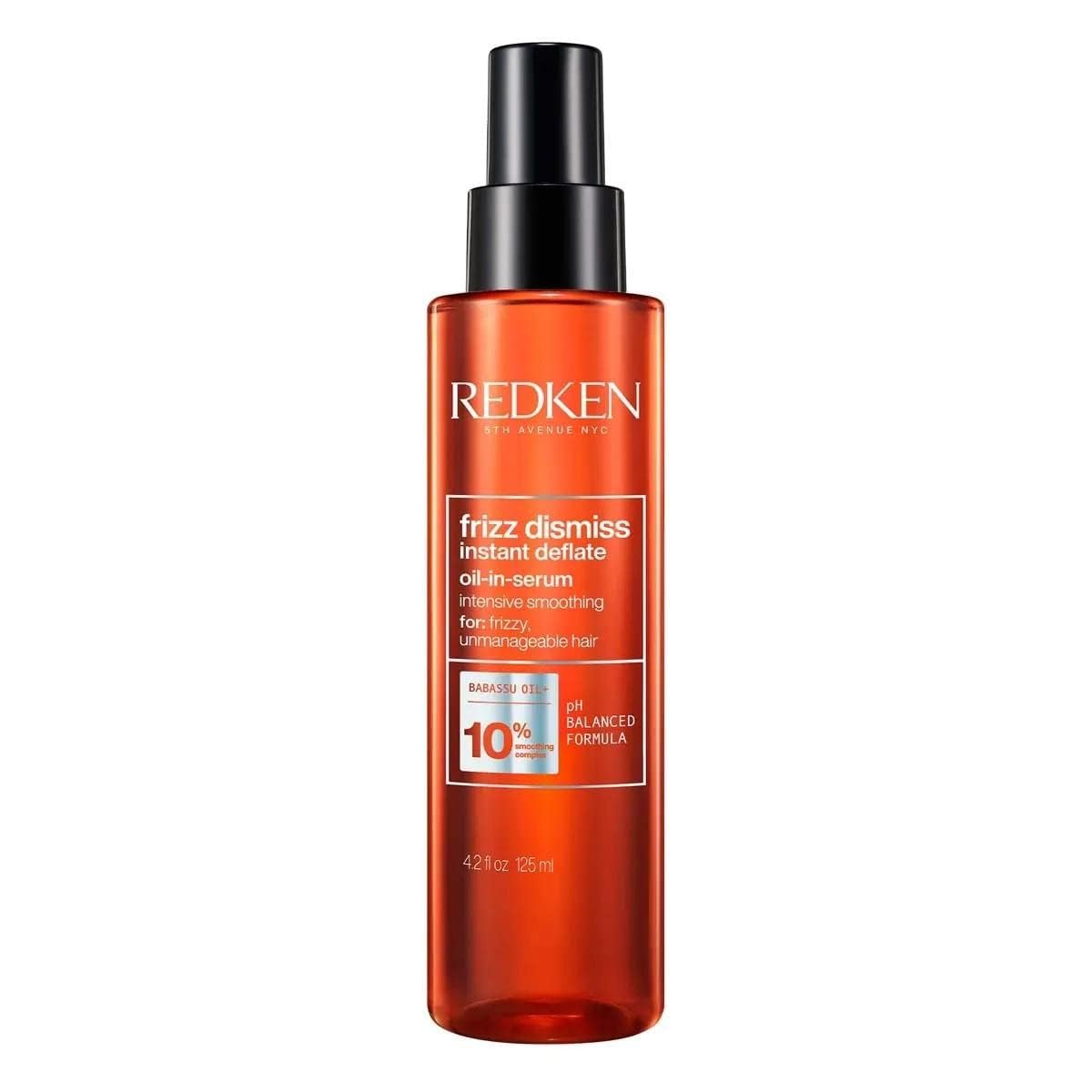
Redken Frizz Dismiss Instant Deflate Oil-in-Serum
A lightweight oil-serum hybrid that smooths and controls frizz without heaviness.
This may work for you if your stretched styles lose smoothness quickly or puff up in humidity.
Best for medium porosity hair that needs surface smoothing without buildup.
Medium porosity hair responds well to consistency. Focus on balance, avoid frequent product switching, and give your routine time to stabilize elasticity.
High Porosity Hair + Heat Damage
Common Signs
- Hair dries very quickly
- Feels rough or overly porous to the touch
- Breakage increases, especially when detangling
- Stretched styles lose smoothness quickly
Recovery Focus
- Rebuild structure with controlled protein
- Use richer moisture support
- Reinforce the cuticle layer
- Seal properly after every wash
Product Categories to Look For
- Stronger protein or bond-repair treatment
- Rich strengthening mask
- Conditioning leave-in for heat prep
- Oil + smoothing layer to reduce moisture loss
High porosity strands lose moisture quickly. During heat recovery, sealing becomes essential to maintain elasticity and prevent further breakage.
Recommended Products
Begin with rebuilding support to reinforce weakened strands before focusing on moisture.
ApHogee Two-Step Protein Treatment
An intensive protein treatment designed to temporarily reinforce severely weakened strands.
This may work for you if your hair feels fragile, breaks easily, dries almost immediately after washing, or struggles to retain elasticity after heat styling.
Best for hair needing stronger rebuilding support during active recovery. Use every 4–6 weeks, then follow with a deep conditioner.
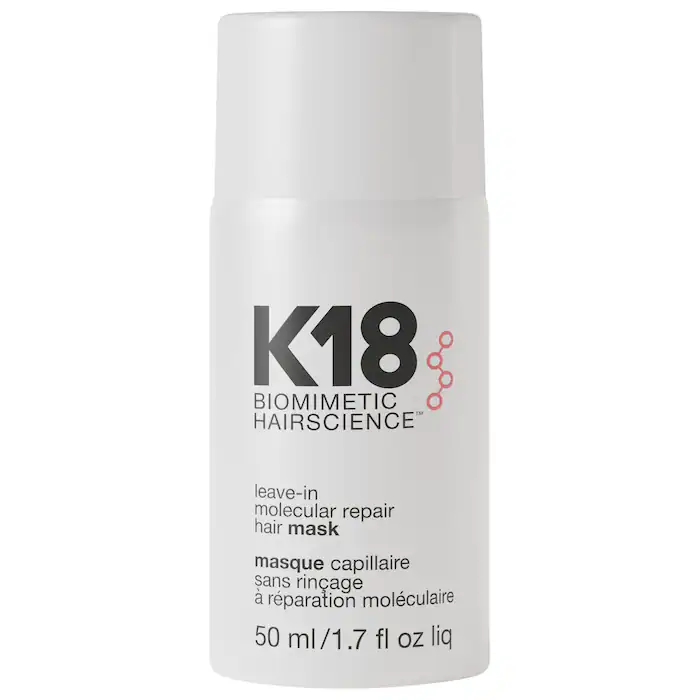
K18 Leave-In Molecular Repair Mask
A bond-repair treatment that helps reconnect broken keratin chains weakened by heat damage.
This may work for you if your hair feels structurally compromised, but you want repair without repeated heavy protein treatments.
Best for hair needing consistent bond support during recovery. Use as directed during wash days.
Rich Strengthening Deep Conditioner
After rebuilding structure, use a richer mask to restore flexibility and prevent brittleness.
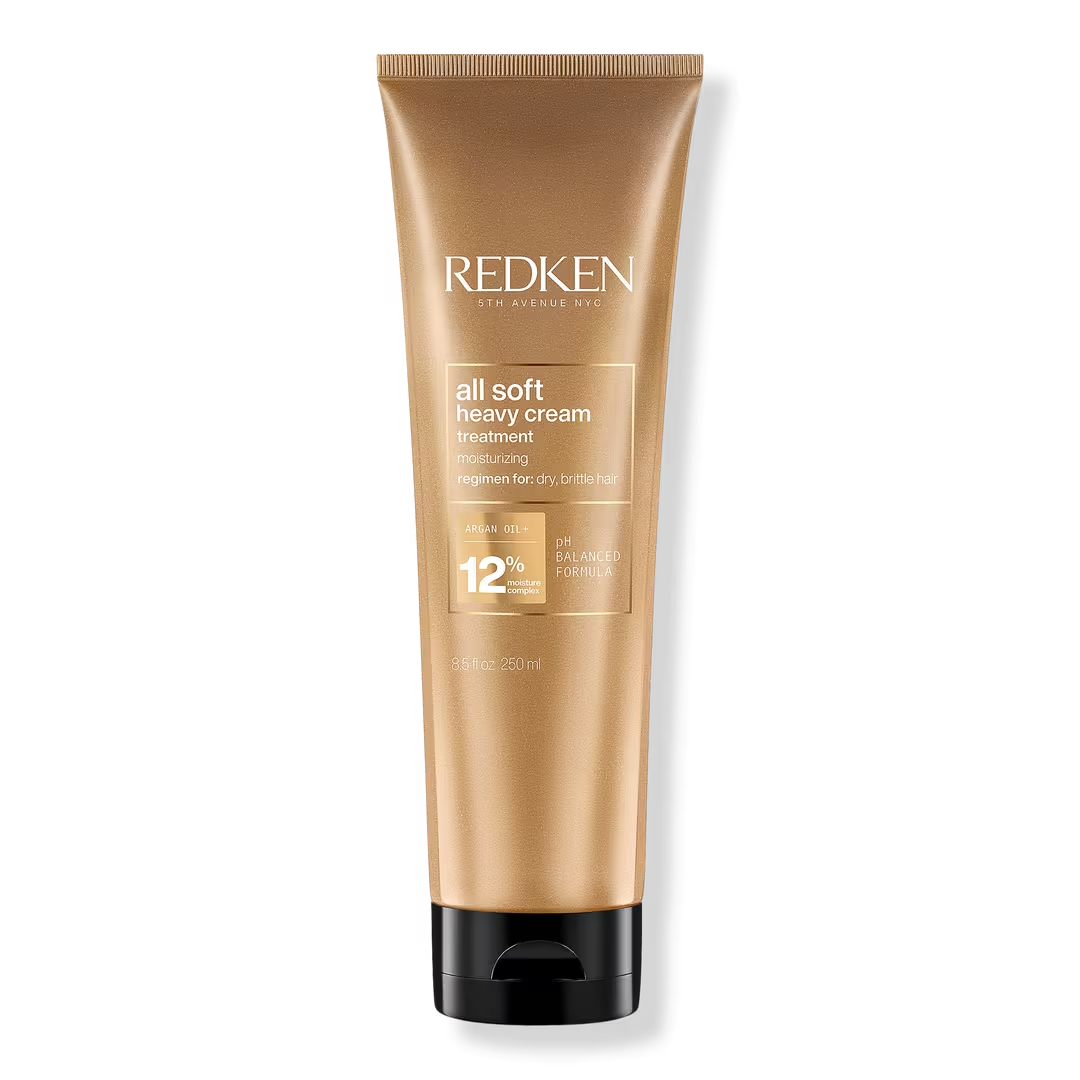
Redken All Soft Heavy Cream Mask
A deeply conditioning mask that restores softness and flexibility while supporting moisture retention.
This may work for you if your hair feels rough, brittle, or loses smoothness quickly after styling.
Best for high-porosity hair that needs richer moisture between protein treatments. Use weekly.
Leave-In for Heat Prep
Before blow-drying or roller-setting, apply a conditioning leave-in that supports slip and smoothness without activating the curl pattern.
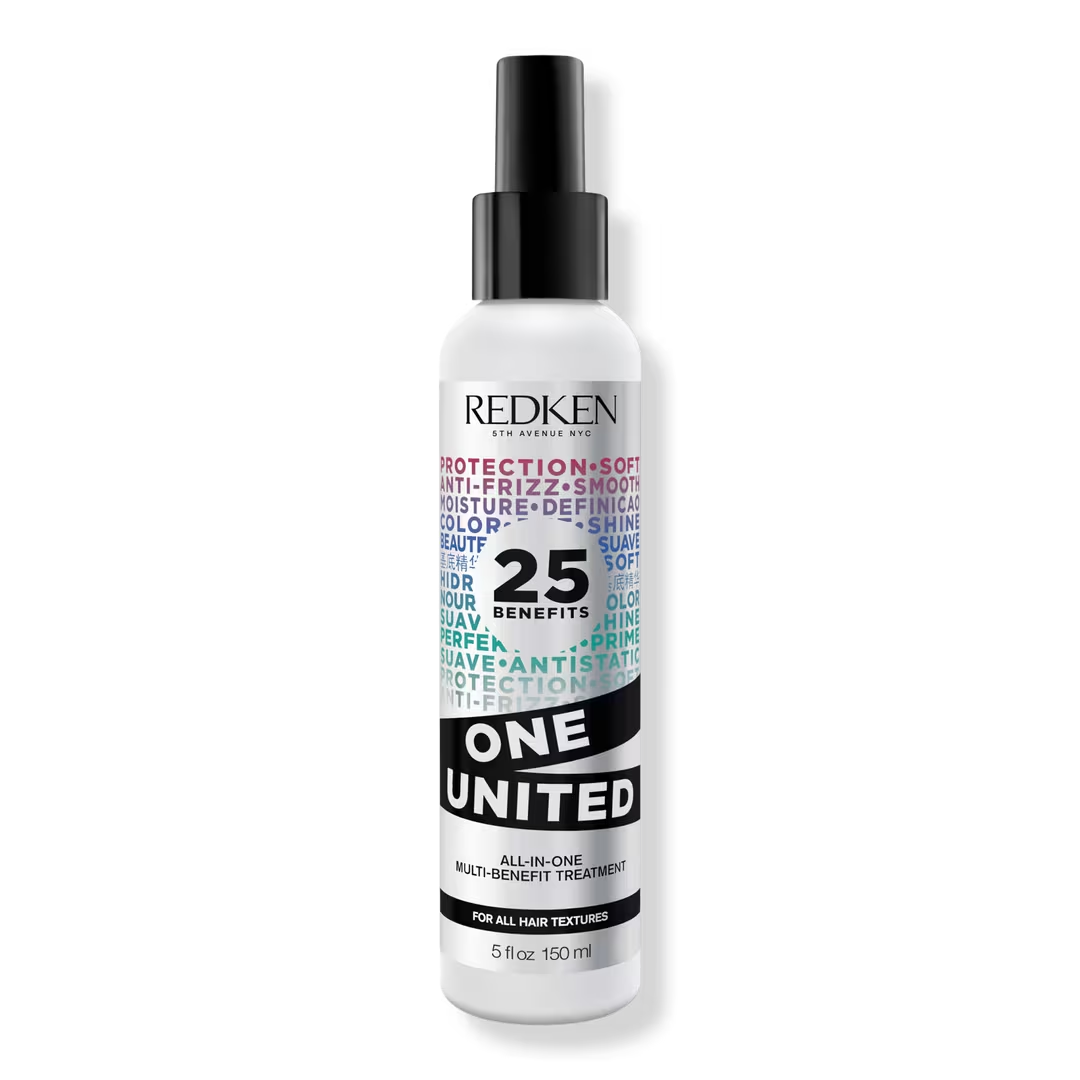
Redken One United Multi-Benefit Treatment
A lightweight conditioning spray that detangles and preps the hair before heat styling.
This may work for you if your hair needs slip before blow-drying or roller-setting and loses its smoothness quickly.
Best for high porosity hair that needs light conditioning before sealing.
Sealant / Moisture Lock
Finish with a stronger sealing layer to reduce moisture loss and maintain smooth, stretched styles.
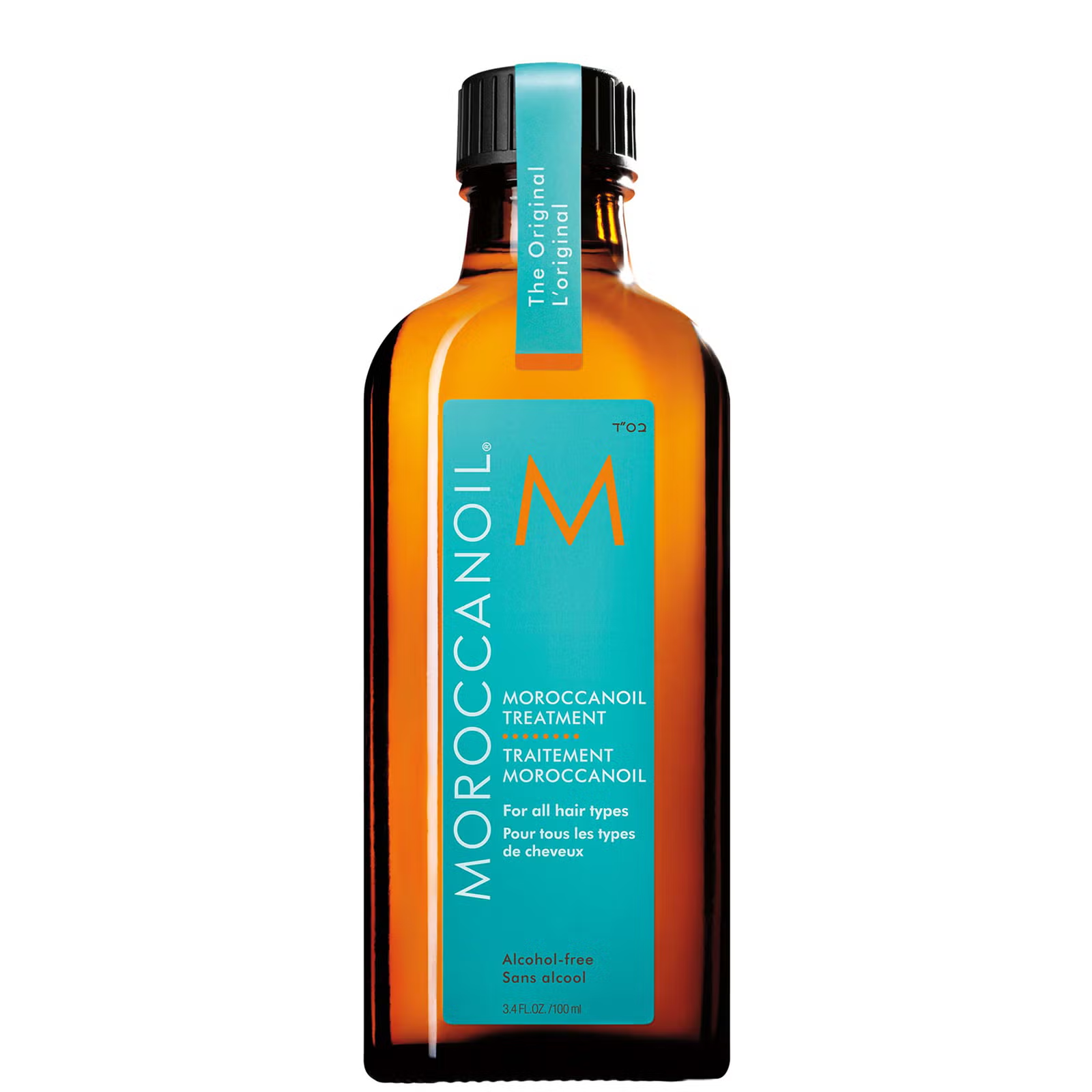
Moroccanoil Treatment
A richer oil treatment that smooths and helps reduce moisture loss.
This may work for you if your hair frizzes quickly, feels dry again within hours, or needs stronger surface smoothing after styling.
Best for high-porosity hair that needs consistent sealing. Use sparingly on damp or dry hair.
High porosity hair requires structure and consistency. Prioritize rebuilding first, maintain moisture second, and seal consistently to preserve elasticity during heat recovery.
3. Style in a Way That Supports Recovery
Recovery isn’t just about products — it’s about reducing repeated stress.
During this phase, choose styles that keep the hair stretched and protected without constant reheating or daily manipulation.
Supportive options include:
- Roller sets for a polished look without direct heat on the length
- Blow-drying roots only to reduce shrinkage stress
- Low-manipulation braids or wrapped styles
- Extensions as a temporary patience tool
The goal isn’t to avoid styling altogether. It’s to avoid reintroducing the same habits that caused the damage.
4. Trim Strategically
Products and styling can stabilize the hair, but trimming is what prevents damage from traveling upward. Split ends do not repair themselves. If left alone, they continue to separate along the shaft, compromising density over time.
Consistent, controlled trims — not dramatic chops — allow you to remove weakened ends gradually while preserving length.
One of the first signs of recovery is not perfect definition. It’s density. Hair often feels fuller and stronger before curl pattern fully evens out. Trimming supports that process.
How Long Does Heat Damage Take to Grow Out?
This depends on severity and consistency.
- Mild damage: 3–6 months
- Moderate damage: 6–12 months
- Severe damage: May require cutting
There is no instant fix. Recovery is cumulative.
When to Change Products (And When Not To)
One of the biggest mistakes during recovery is panic-switching.
If you’re:
- Not experiencing breakage
- Seeing gradual improvement
- Maintaining consistent care
Stay the course. Give products at least 6–8 weeks before judging them.
The only time major changes make sense is during significant shifts — like coloring, chemical processing, or severe breakage.
Recovery Is a Long-Term Strategy, Not a Quick Fix
Heat damage recovery isn’t just about products. It’s about boundaries, consistency, and realistic expectations.
If you visit a stylist regularly, have an honest conversation about maintenance. Ask what you should be using between appointments, how often trims are necessary, and what’s realistic for your density. The goal should be routine maintenance — not emergency “fix this” visits.
You also don’t have to become anti-heat forever. But you do need structure. Limit direct heat, avoid repetitive passes, deep-condition regularly, and choose lower-stress styling methods, like roller sets, when possible. Recovery loses momentum when old habits return too quickly.
Most importantly, adjust your expectations. A big part of this process is learning to work with your hair’s actual density and capacity — not forcing it to mimic looks that rely on extensions or heavy layering. Extensions can even be a strategic tool during recovery, giving you freedom while your real hair strengthens beneath them.
FAQs About Heat Damage Recovery
Can heat-damaged hair be repaired without cutting it?
Minor heat damage can improve with consistent protein support, moisture balance, and reduced heat exposure. However, permanently split or severely straightened sections may need to be trimmed gradually. Products can reinforce the strand, but they cannot permanently reverse structural damage.
How long does heat damage take to grow out?
Recovery timelines vary based on severity and consistency. Mild damage may improve within a few months, while more significant damage can take six months or longer to fully grow out. Patience and routine stability matter more than quick fixes.
Should I stop using heat completely during recovery?
Not necessarily. What matters most is frequency and technique. Reducing direct heat, limiting passes, using protectant, and incorporating lower-stress methods like roller sets can support recovery without going completely heat-free.
Final Thoughts
Heat damage recovery is about creating structure — reducing stress, supporting elasticity, trimming strategically, and allowing time to work in your favor.
If you’re unsure about your porosity, start there. Understanding how your hair absorbs and retains moisture will make every product decision clearer. You can read my full breakdown in the Hair Porosity Guide.
And if you’re still trying to identify your curl pattern or want a broader look at routines and product layering, the Curly Hair Resource Guide walks through each hair type in more detail.
Recovery becomes much more manageable when you understand how your hair behaves — not just how it looks.
Focus on structure. Stay consistent. Let progress build gradually.
Let’s Make Inbox Magic
Join my circle to unlock the Curly Mama Freebie Library, your all-access pass to printables, checklists, and resources made for busy moms and curly hair lovers.
One Comment