
Hair Growth vs Hair Health: What Actually Matters for Length Retention
Product images are sourced from the official brand websites or authorized retailer listings for identification purposes. This post may contain affiliate links, which means I may earn a small commission if you purchase them at no extra cost to you. All opinions are my own. See my full disclosure here.
When I first embraced my natural curls, I assumed the path to healthy hair would be simple. Inspired by the Curly Girl Handbook, I researched curly hair care and even created a college presentation on it.
But reality didn’t match my expectations.
I became frustrated with how slowly my hair seemed to grow, and I realized I wasn’t actually consistent with the habits I had learned. Instead, I kept jumping from one “hair growth” method to another, hoping for faster results.
Looking back, the issue wasn’t that my hair wasn’t growing; it was that I wasn’t maintaining what I had.
My Hair Journey: From Straightening to Natural Curls
When I was younger, my mom, a hairstylist, regularly straightened my hair. Because she used professional techniques, I didn’t experience noticeable damage or breakage at the time.
Everything changed when I started styling my hair myself in high school.
Looking back, I realize the biggest shift in my journey (see my big chop experience here) wasn’t what I used—it was how I approached my routine.
Chasing the “Perfect” Hair
Like many teenagers, I wanted my hair to look like the celebrities I saw on TV. I was drawn to loose, effortless waves—the kind of look I didn’t naturally have.
So I tried to recreate it.
I constantly styled my hair with a curling iron, forcing it into a shape that didn’t match my natural texture.
At first, I thought using a heat protectant was enough. But over time, the daily heat exposure took a toll on my curls.
They lost their bounce, became dry and limp, and stopped holding their natural shape.



At first, I thought using a heat protectant was enough to prevent damage. But over time, daily heat exposure took a toll on my curls.
They lost their bounce, became dry and limp, and stopped holding their natural shape. Eventually, my mom stopped doing my hair altogether, except when I wanted to straighten or change the color.
I didn’t fully understand the extent of the damage until college, when I decided to stop straightening and embrace my natural curls.
I assumed my hair would quickly revert back—but it didn’t.
That’s when I learned that restoring damaged curls takes time, patience, and the right routine. It also pushed me to learn more intentionally, including discovering The Curly Girl Handbook and adopting a healthier approach to my hair.
Understanding My Curls
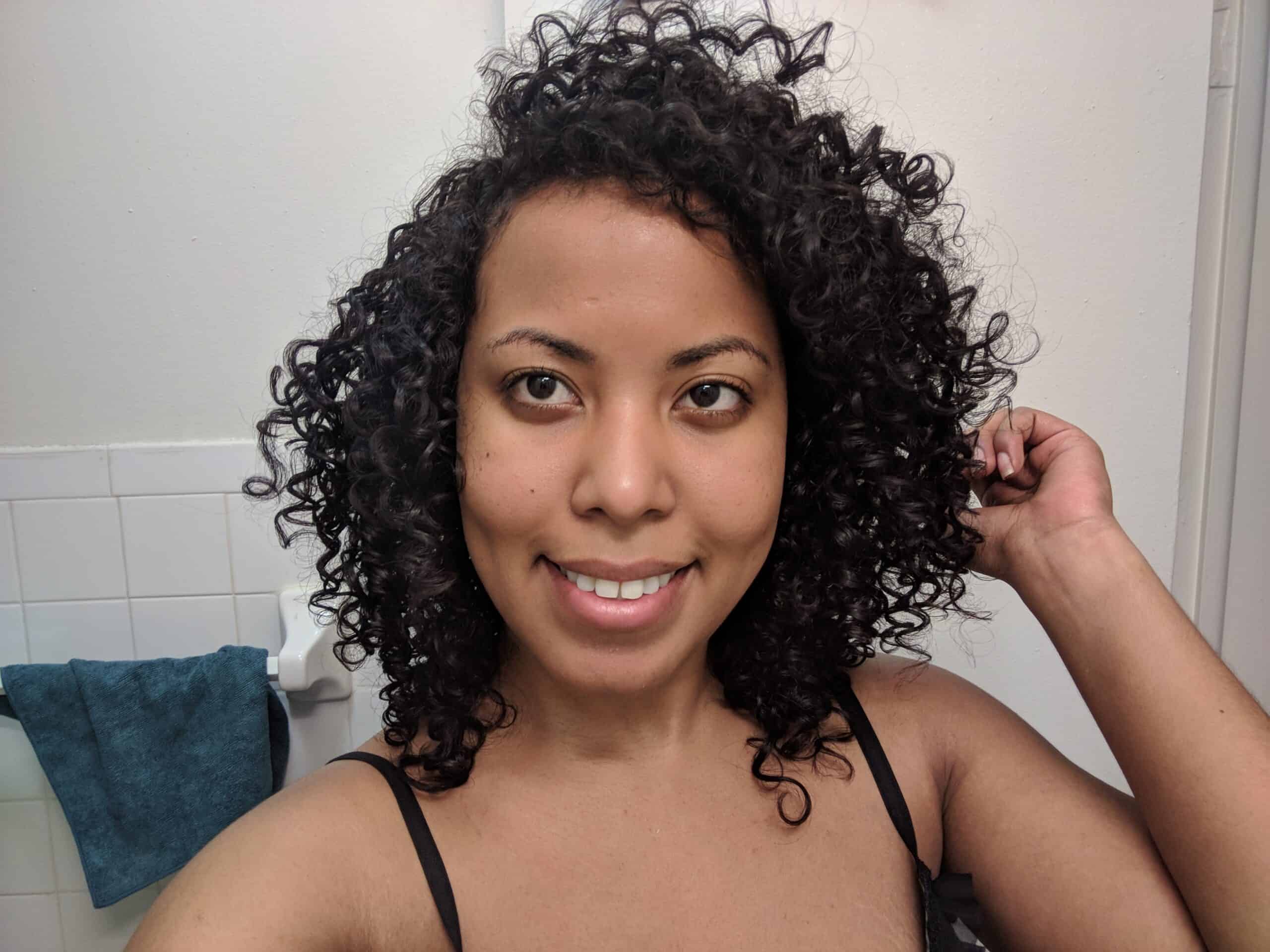
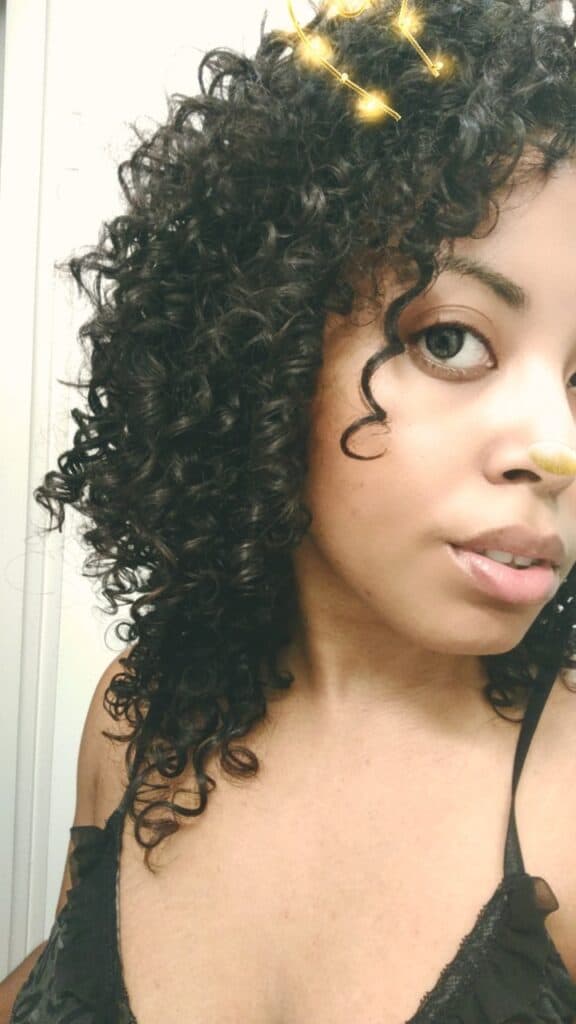
At first, I struggled to maintain my curl pattern. (especially after dealing with damage from going blonde). My hair looked gorgeous when wet, but as it dried, it lost definition and became frizzy.
Over time, I learned how to properly hydrate my curls, maintain their shape, and prevent excessive breakage. Slowly, my texture improved, and I finally achieved the volume I had always dreamed of.
After cutting off most of my length last February, I started to better understand my curl pattern. I realized my texture wasn’t uniform throughout my head, which helped clear up a lot of the assumptions I had about how damaged my hair actually was.
Healthy Hair Routine For Growth
As I started to better understand my curls after cutting off most of my length, I realized something needed to change.
Instead of focusing on length, I shifted my mindset and committed to a healthy hair regimen—prioritizing strength, hydration, and long-term growth.
Here’s what I changed:
- Deep conditioning weekly – helped improve moisture retention and curl definition
- Monthly protein treatments – strengthened my hair and reduced breakage
- Washing 1–2 times per week – prevents over-stripping natural oils
- Co-washing every few days – maintained hydration between wash days
- Hot oil treatments and pre-pooing – supported elasticity and scalp health
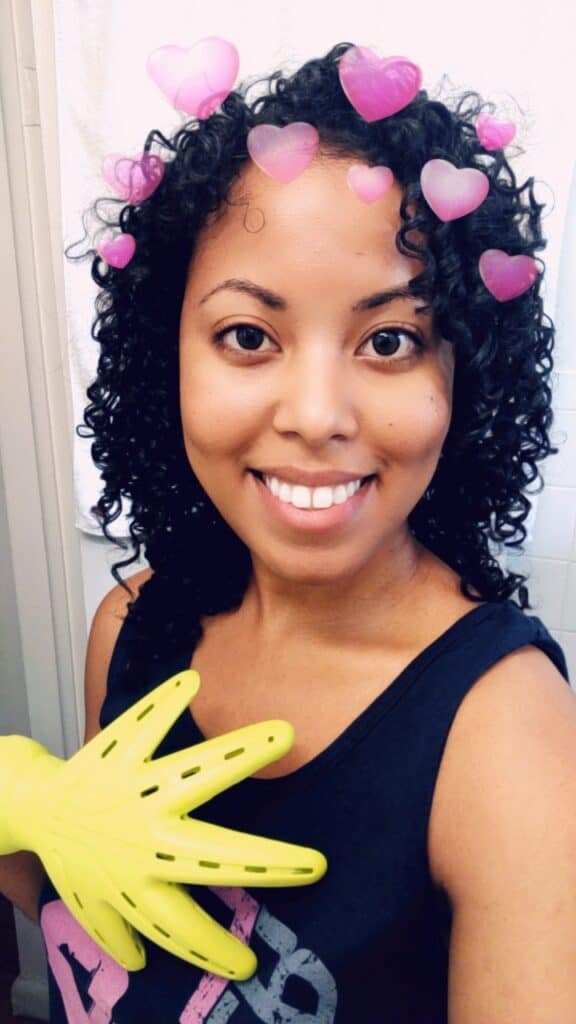
This consistent routine, along with henna treatments, transformed my hair. It became thicker, healthier, and even started growing in areas that had struggled before.
How Hot Oil Treatments Support Stronger, Healthier Hair
Hot oil treatments became an important part of my routine once I started focusing on strengthening my hair.
I had used oils before, but I wasn’t consistent with them. Now, they’re a regular part of my wash day prep.
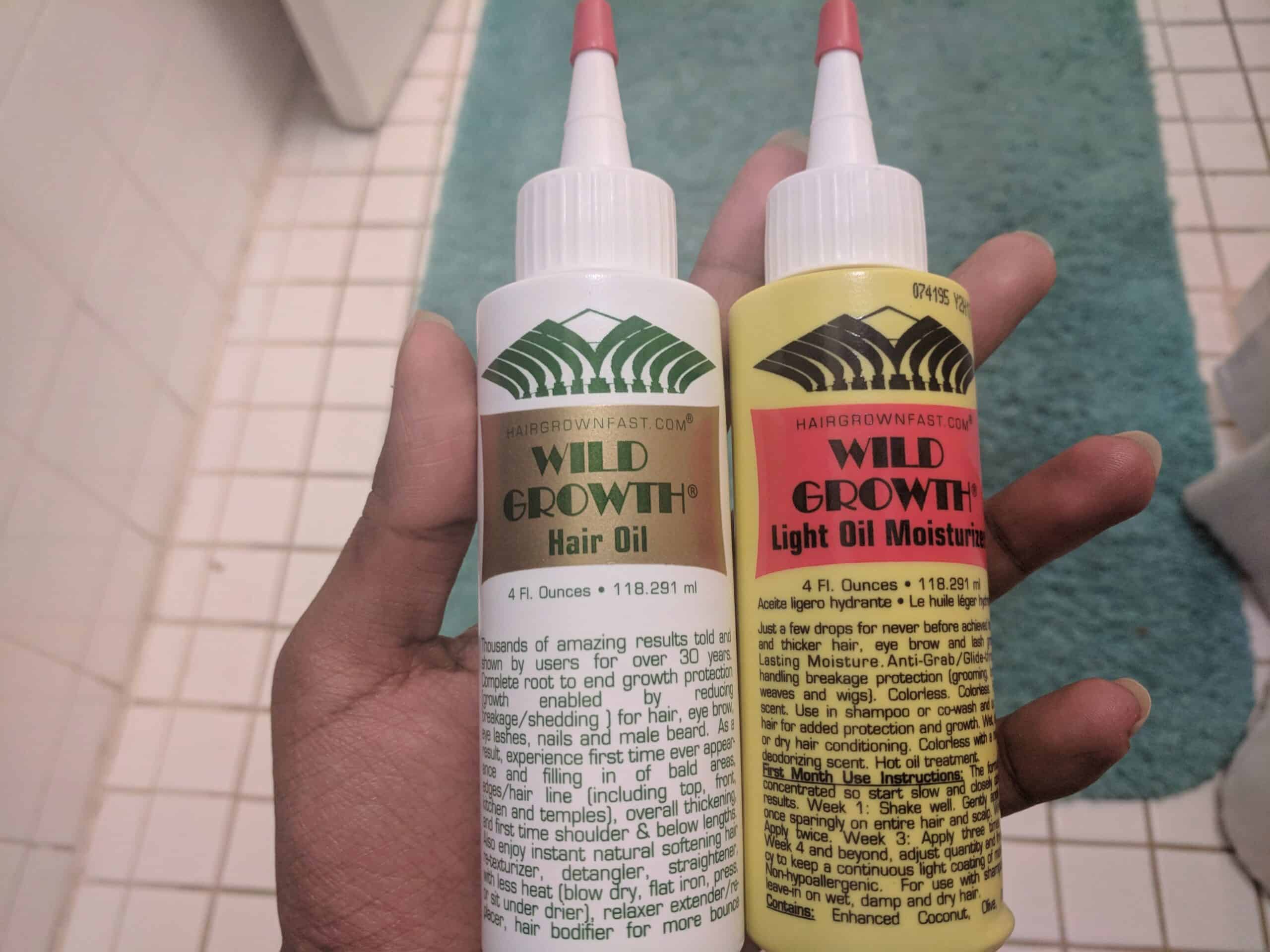
I use oil as a pre-poo treatment before washing my hair:
- Warm the oil slightly before applying
- Massage it into the scalp and work it through the hair
- Leave it on for several hours or overnight before washing
I’ve used oils like Wild Growth Hair Oil for this step, and lighter options can work well depending on your hair’s needs.
Henna Treatments: Strengthening My Strands Naturally
Henna became a consistent part of my routine when I started focusing on strengthening my hair. Over time, I noticed improved thickness, shine, and overall resilience.
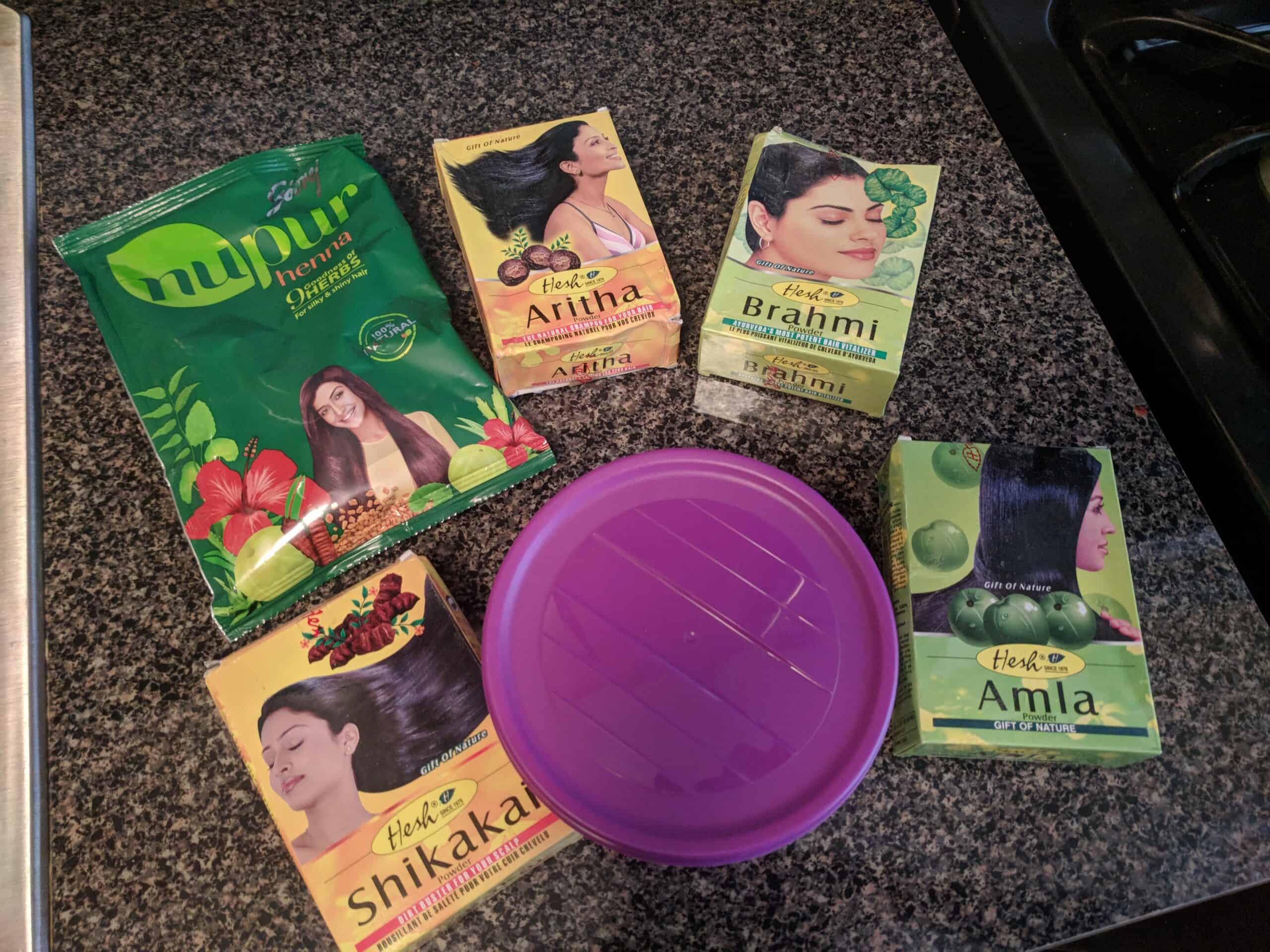
On henna days, I mix a blend of powders with a liquid base:
- Henna powder
- Amla, Brahmi, Shikakai, and Aritha powders
- A liquid like green tea, aloe vera juice, or coconut milk
Each ingredient serves a different purpose:
- Amla helps support overall hair strength and shine
- Brahmi is often used to support scalp health and reduce shedding
- Shikakai helps cleanse the scalp gently
- Aritha helps remove buildup without harsh detergents
Tips for Maintaining Healthy Hair
My main focus now isn’t just growing my hair—it’s maintaining its health so it can retain length over time.
Here are the habits that have made the biggest difference:
- Regular trims – help prevent split ends from traveling up the hair shaft
- Consistent deep conditioning – supports moisture balance and elasticity
- Using heat intentionally reduces unnecessary damage over time
What Actually Leads to Length Retention
What I’ve learned is that length retention comes from consistency, not quick fixes. You can’t retain length without first building a routine that keeps your hair healthy.
That doesn’t mean you have to follow the exact same routine as someone else.
It’s not about using specific methods like oiling or henna—it’s about finding a balance that works for your hair. Whether you wear your hair curly, straight, or switch between both, what matters most is how consistently you care for it.
FAQs: Hair Growth vs Hair Health
Why wasn’t your hair growing as expected at first?
My impatience led me to constantly experiment with new treatments instead of sticking to a healthy hair regimen. I noticed real growth and improvement until I fully committed to deep conditioning, protein treatments, and proper hair care techniques.
What were the biggest mistakes you made in your hair journey?
Some of my biggest mistakes included frequently switching products without giving them time to work, Inconsistent deep conditioning and protein treatments, and Overusing heat and extensions, which caused setbacks in my natural hair journey.
Why do you use henna treatments, and what do you mix with them?
Henna strengthens hair, enhances shine, and thickens strands. I mix Godrej Nupur Henna Mehndi with Green Tea, Aloe Vera Juice, or Coconut Milk, along with Amla, Brahmi, Shikakai, and Aritha powder for added benefits.


Final Thoughts
Looking back, I realize the biggest shift in my journey wasn’t what I used—it was how I approached my routine.
I stopped chasing quick results and started focusing on consistency, balance, and understanding what my hair actually needed.
Hair growth isn’t just about getting longer hair. It’s about maintaining what you already have, preventing breakage, and adjusting your routine as your hair changes over time.
Once I made that shift, everything started to fall into place.
If you’re on a similar journey, start simple. Pay attention to how your hair responds, stay consistent, and focus on building a routine you can actually maintain.
If you’re not sure where to start, you can explore my Curly Hair Resource Guide.
Let’s Make Inbox Magic
Join my circle to unlock the Curly Mama Freebie Library, your all-access pass to printables, checklists, and resources made for busy moms and curly hair lovers.
Already subscribed? Click here to access the Freebie Library.

Thanks for sharing, I buy very few products for my hair. Primarily conditioner to be exact, most of the other products I will make, (deep conditioner, shampoo, shea butter mix). I make most of it, I found I am not usually satisfied with the way most of the products made my feel.
Thank you for your comment. I totally agree with you, I am definitely heading towards your direction in doing that eventually. I’ve already started making my own body butter.
That’s a great start. In that way, you can literally perfect the ingredient list