Cradle Cap Treatment: How I Safely Treated My Baby’s Cradle Cap at Home
Affiliate Disclosure: This post contains affiliate links. If you click on these links and make a purchase, I may earn a commission at no additional cost to you. I only recommend products or services that I believe will add value to my readers.
Cradle cap is extremely common in newborns. It looks alarming the first time you see those flaky, scaly patches on your baby’s scalp, but it’s harmless and very easy to manage with a gentle routine.
Below is exactly what worked for my son: simple steps, soothing products, and a routine that kept his scalp comfortable without over-stripping.
What is Cradle Cap?
Cradle cap is a common scalp condition in newborns that affects up to 70% of babies by three months old. It appears as scaly, flaky patches on the scalp and sometimes spreads to the eyebrows or the area behind the ears.
What Causes Cradle Cap?
The exact cause isn’t known, but most experts believe a mother’s hormones temporarily overstimulate a baby’s oil glands. This leads to excess sebum and trapped dead skin cells, which form those thick, yellowish flakes.
My Experience Treating Cradle Cap in My Newborn
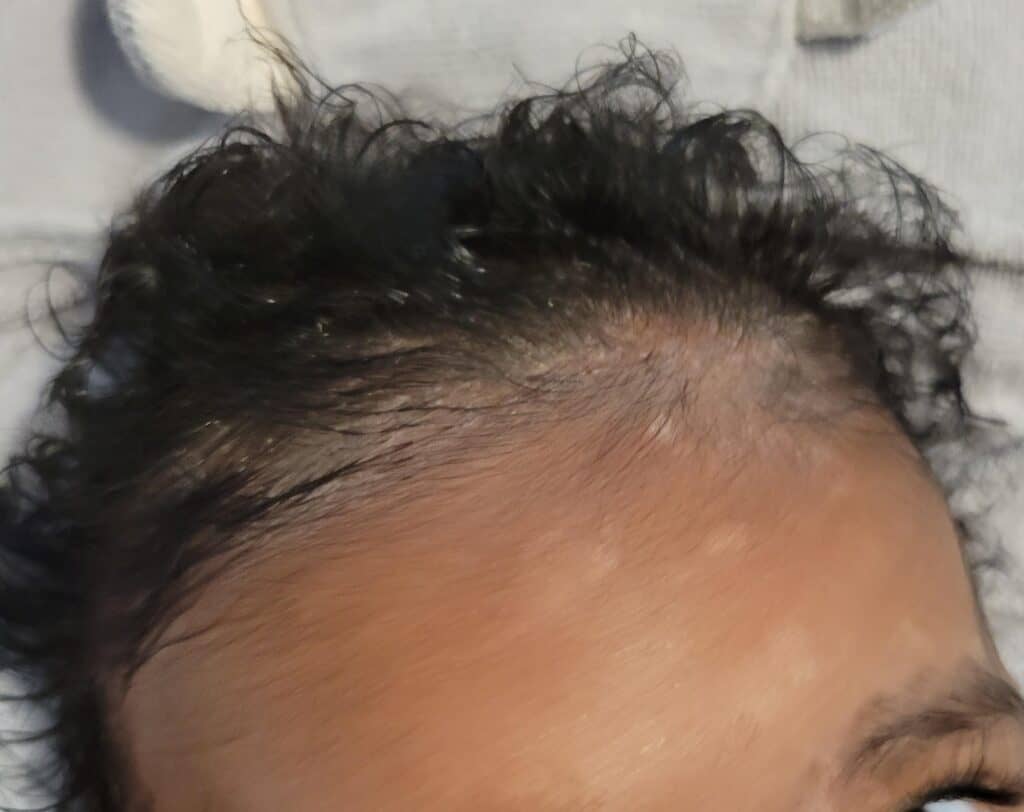 Cradle cap on the crown with a lot of dryness
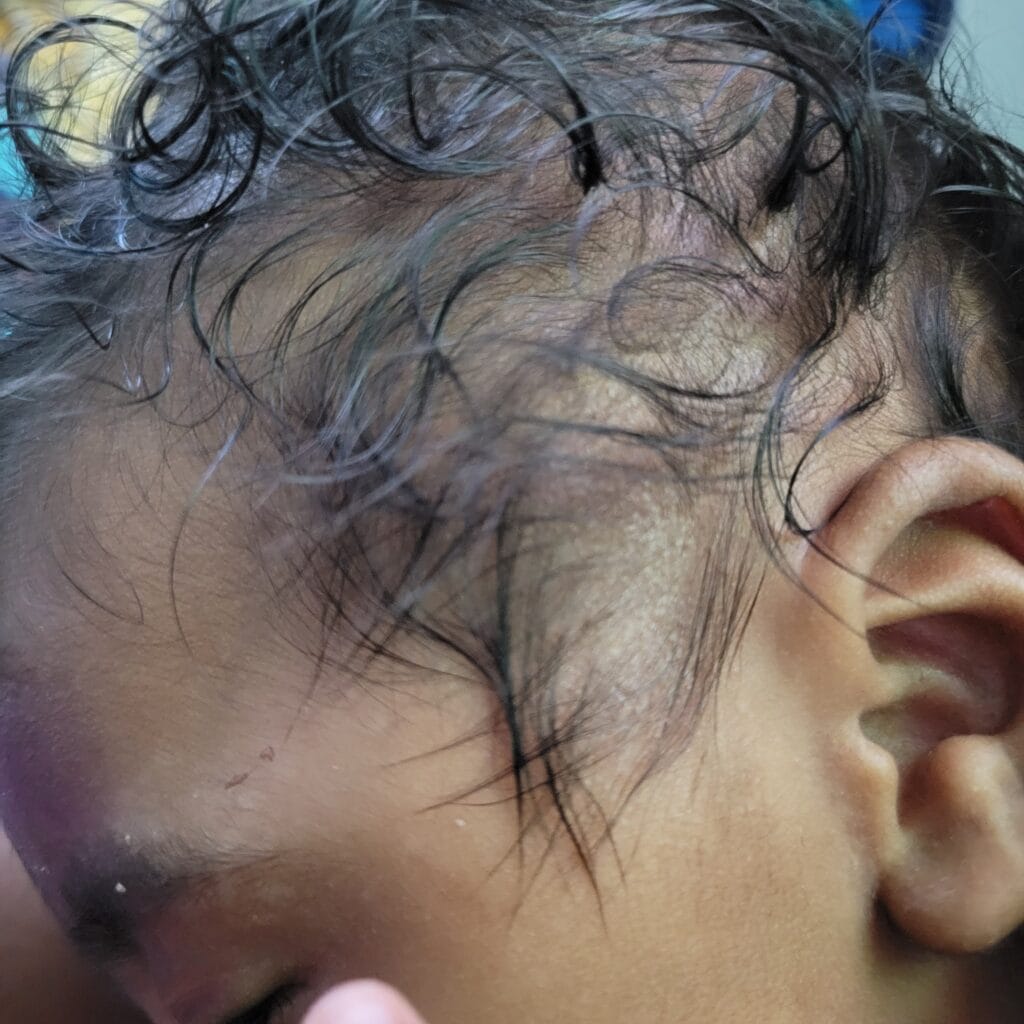 More dryness on the sides
I first noticed my son’s cradle cap when he was around two months old. His hair started thinning, and brown, scaly patches began forming on his scalp. Like many new moms, I panicked and tried a few things that didn’t work before finally finding a routine that gently cleared it up.
How to Treat Cradle Cap Naturally
Here are the tools that make cradle cap treatment easier and more effective:
- Coconut oil (or olive oil/tea tree oil)
- Cotton balls and/or Q-tips
- Fine-tooth comb (a baby grooming comb works best)
- Silicone shower brush
- Baby shampoo and conditioner (e.g., Bella B Bundle)
- Bath faucet filter
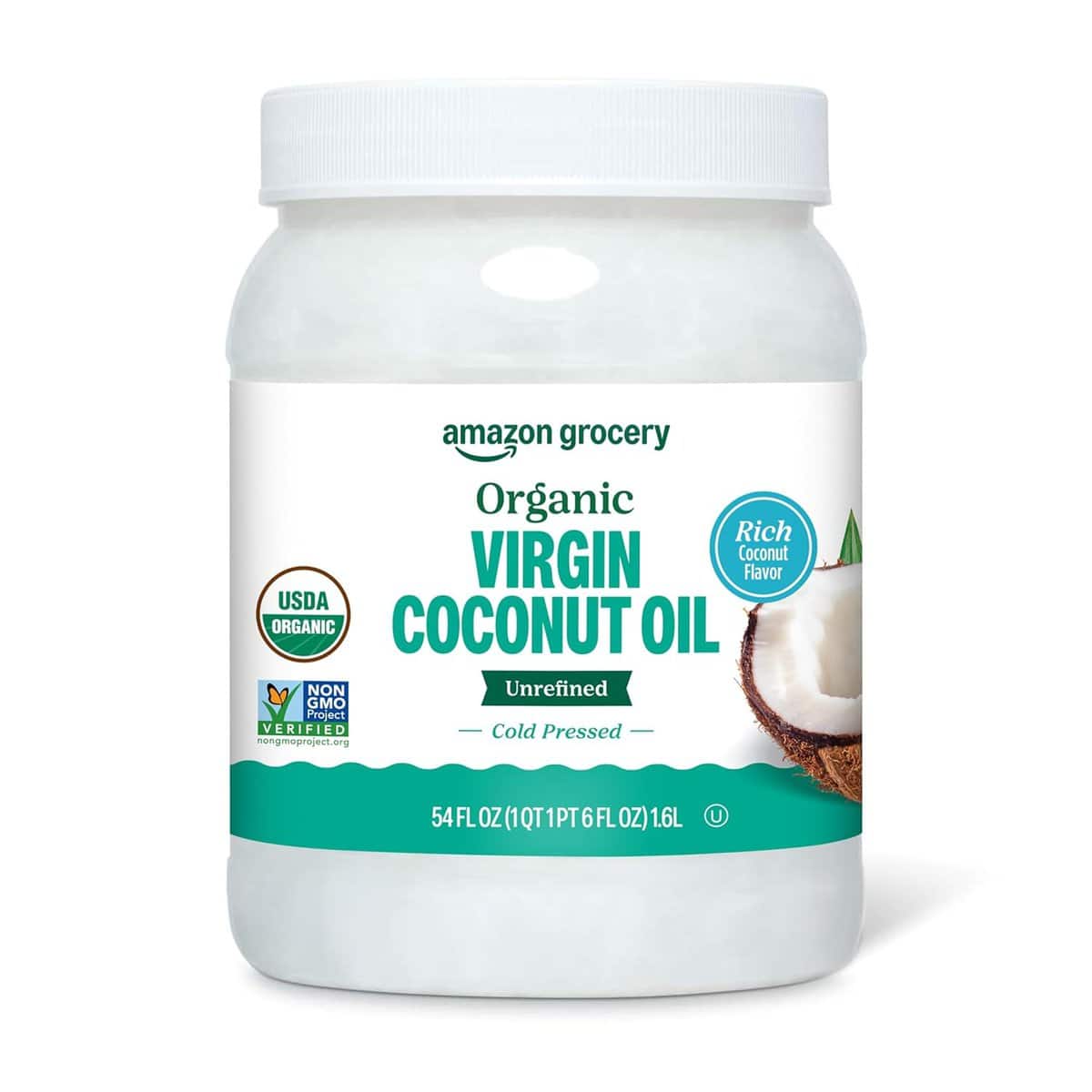
Unrefined Coconut Oil
Organic, cold-pressed coconut oil that gently loosens cradle cap flakes and hydrates baby’s scalp—no additives.
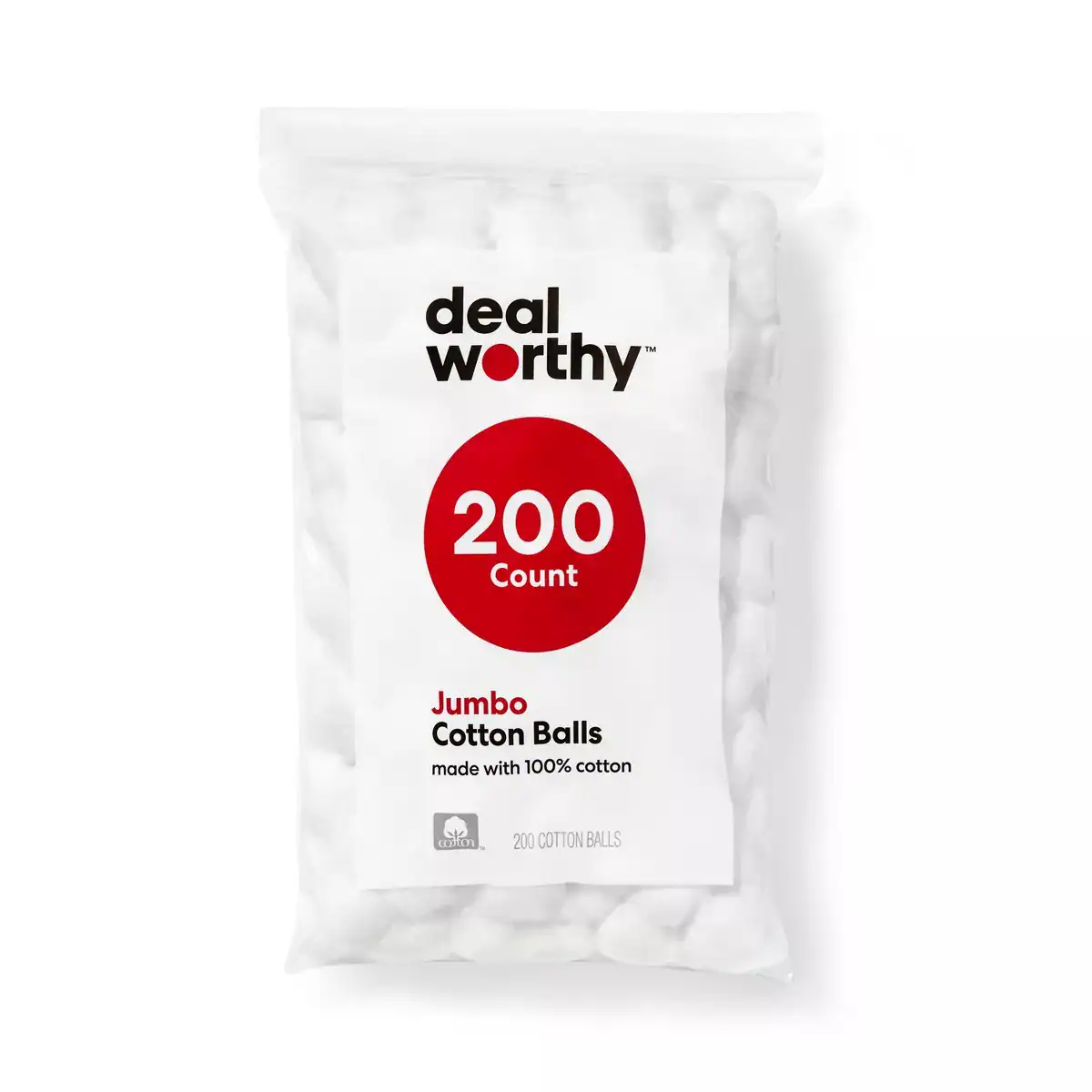
Jumbo Cotton Balls
Soft, absorbent cotton balls are perfect for applying oil and gently lifting cradle cap flakes.
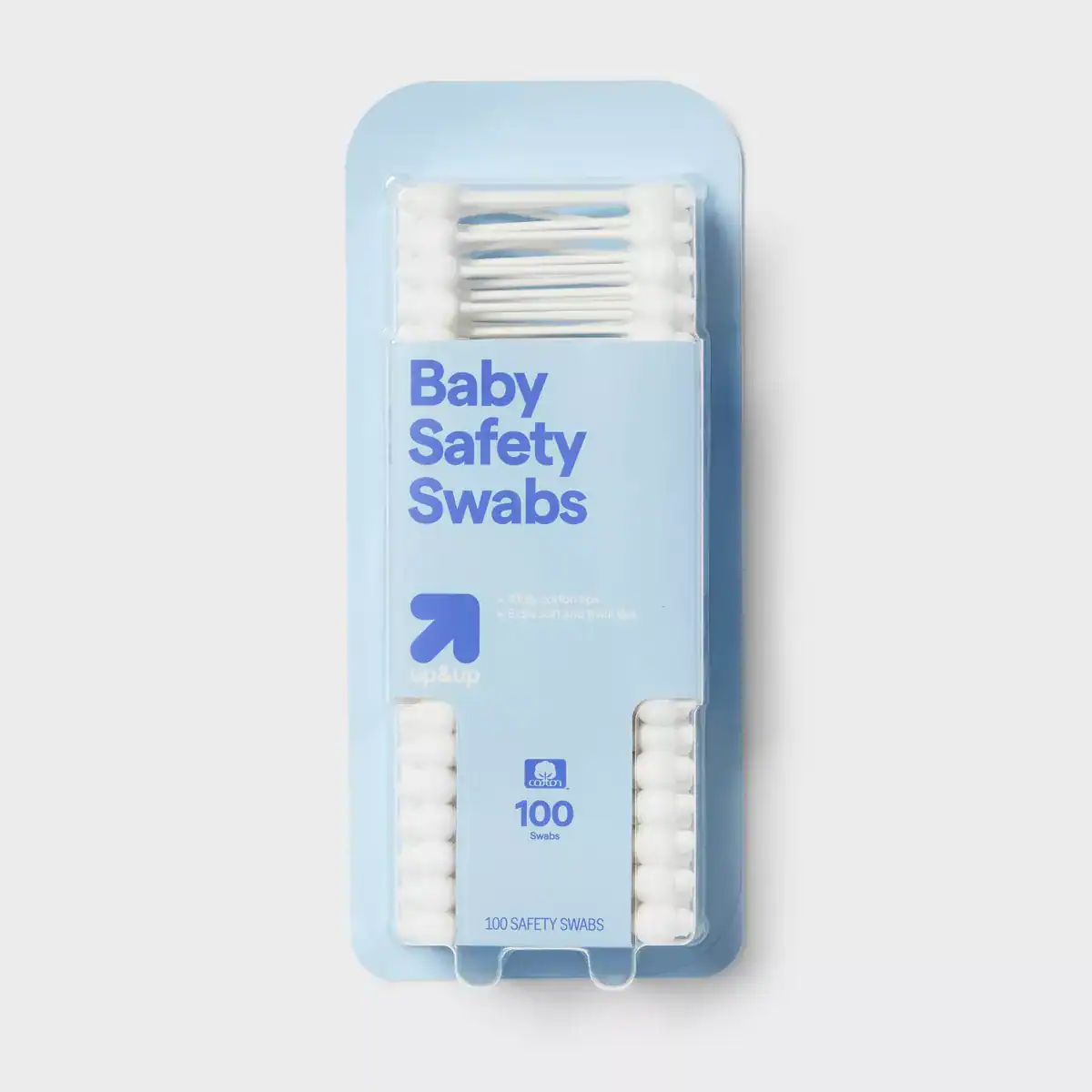
Baby Safe Cotton Swabs
Soft-tipped safety swabs are ideal for applying oil and loosening cradle cap flakes around delicate areas.
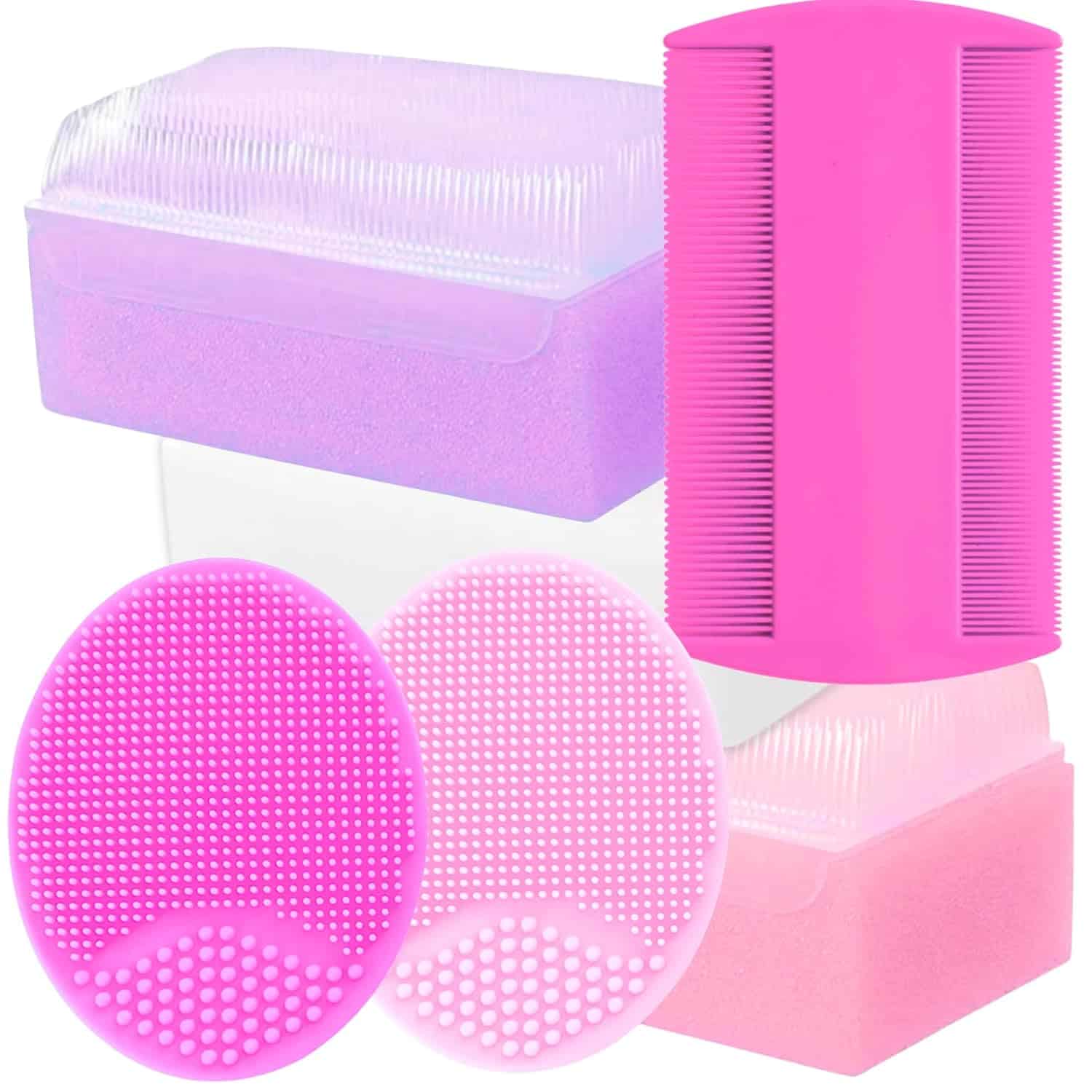
Cradle Cap Brush For Babies
Soft bristle and silicone brushes that gently loosen cradle cap flakes without irritating the baby’s scalp.
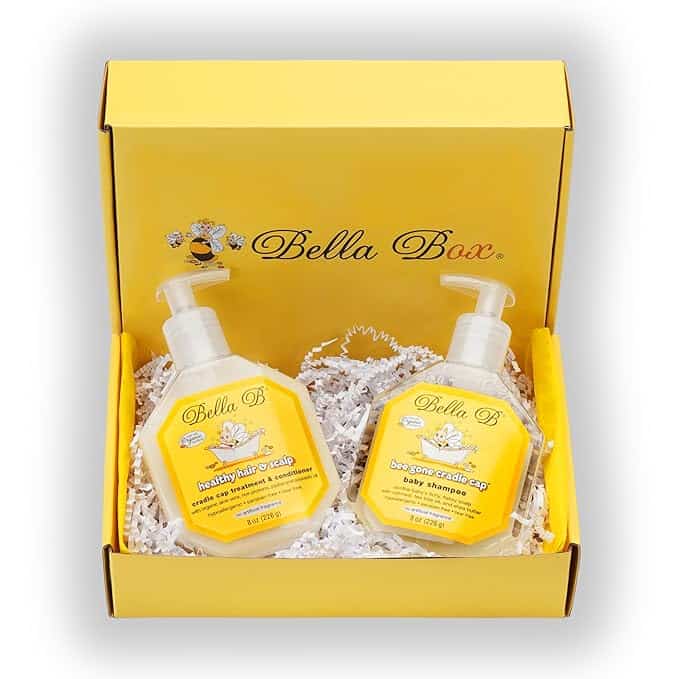
Bella B Cradle Cap Shampoo & Treatment
Bella B Cradle Cap Shampoo and Conditioner are made with organic shea butter, aloe vera, and tea tree oil. They remove cradle cap while keeping your baby’s scalp soft and soothed.
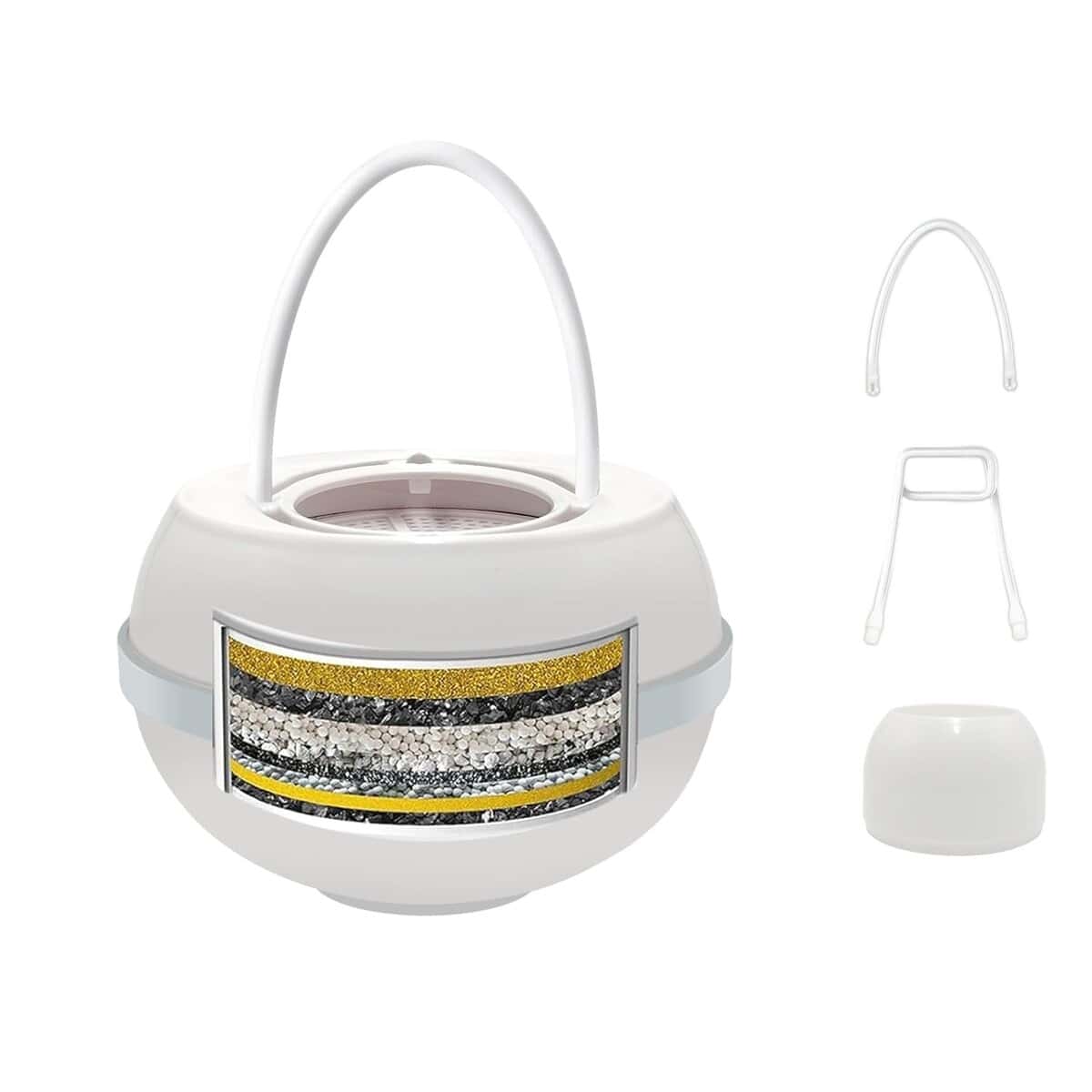
Bath Tub Faucet Filter
Hard water can dry out your baby’s skin and worsen cradle cap. A faucet filter softens water and reduces chlorine levels, making bath time gentler for delicate skin and hair.
How to Get Rid of Cradle Cap (Step-by-Step)
This simple weekly routine helps loosen cradle cap flakes safely and keeps your baby’s scalp healthy.
Pre-Bath Preparation:
- Apply Coconut Oil: Use a cotton ball to gently apply unrefined coconut oil for cradle cap directly to the flaky areas. Let it sit for a few minutes to soften the buildup. Avoid the soft crown area.
- Gently Comb the Scalp: Using a baby comb, gently lift the softened flakes. Always comb in the direction of hair growth to avoid pulling or irritating the scalp.
- Use a Q-Tip for Delicate Areas: For cradle cap on the eyebrows or behind the ears, dab a tiny amount of oil with a Q-tip and gently lift only the flakes that loosen on their own. Don’t force anything that feels stuck.
Bath time
- Set Up the Faucet Filter: If you’re using a bath water filter, make sure it’s installed or positioned correctly before starting. Softer, filtered water is gentler on a baby’s scalp and helps prevent irritation.
- Wash the Scalp: Apply a mild cradle cap shampoo (like Bella B) and gently work it into the flaky areas.
- Massage with a Silicone Brush: Using a silicone cradle cap brush, massage the shampoo in circular motions to further loosen the softened flakes.
- Rinse Thoroughly: Rinse with filtered water to remove all shampoo and any lifted flakes from your baby’s scalp.
- Condition the Hair: Apply a baby-safe conditioner (like Bella B Conditioner) and leave it in for a brief time for added moisture. This helps loosen any remaining flakes over the next few days.
Post-Bath Care:
- Comb Out Loosened Flakes: After the bath, use a fine-tooth comb to gently remove any flakes that lifted on their own. Don’t force anything that’s still stuck — it will soften more with the next wash.
- Repeat Weekly: Do this routine weekly to keep the scalp clean, reduce buildup, and prevent irritation from returning.
Cradle Cap Treatment FAQs
Is cradle cap harmful to my baby?
No. Cradle cap is harmless and usually clears on its own by 6–12 months.
How often should I treat cradle cap?
Once a week is enough to manage cradle cap without irritating your baby’s scalp.
Can I use regular shampoo on my baby’s cradle cap?
It’s better to use a baby shampoo formulated for cradle cap or sensitive skin.
When should I call a pediatrician?
If the cradle cap spreads, becomes red or inflamed, or starts to ooze, check in with your pediatrician.
Final Thoughts
Cradle cap can feel stressful when you’re in it, but it’s truly a harmless, treatable phase. With a simple routine and gentle products, you can calm the flakes, protect your baby’s scalp, and keep their skin healthy without overcomplicating anything.
- If you’re learning about curls for yourself while caring for your baby’s scalp, check out my Curly Hair Resource Guide — it breaks down curly hair care for moms who are figuring out their own texture and routines, too.
- And if your little one develops curls as they grow, my next post, How to Manage Toddler Curls: A Happy Haircare Guide, will walk you through hydration, detangling, and toddler-friendly routines.
Have you dealt with cradle cap before? What helped the most? Share your tips and experiences in the comments — it genuinely helps other moms.
And if you want more baby-care, curly hair, and motherhood guides, make sure you’re subscribed so you don’t miss the next one.
Let’s Make Inbox Magic
Join my circle to unlock the Curly Mama Freebie Library, your all-access pass to printables, checklists, and resources made for busy moms and curly hair lovers.
Already subscribed? Click here to access the Freebie Library.
Already subscribed? Click here to access the Freebie Library.