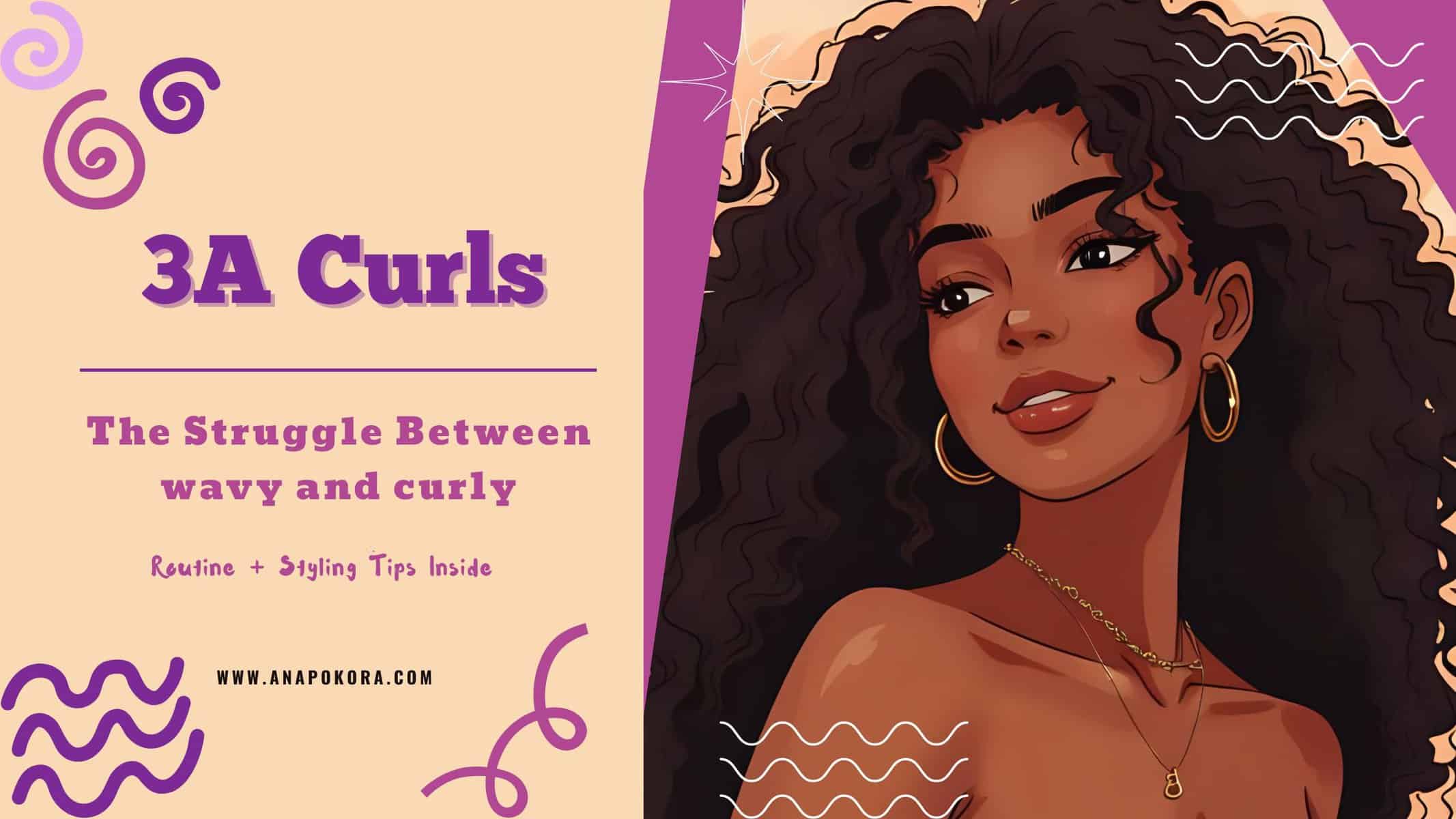
3A Curls: The Struggle Between Wavy and Curly
This post may contain affiliate links, which means I may earn a small commission if you make a purchase through them at no extra cost to you. All opinions are my own. See my full disclosure here.
“Am I Wavy or Curly?”: The 3A Identity Crisis

Photo via Pexels.com
If you’ve ever looked in the mirror and wondered how to know if you have 3A hair, chances are you’re part of the 3A curl club. This curl type lives in that frustrating in-between zone, not loose enough to fall into soft 2C waves, yet not tight enough to spiral like 3B curls. And that “middle child” energy shows up everywhere: from inconsistent definition to unpredictable frizz and roots that flatten no matter how hard you try.
Some people argue that hair typing is pointless, but if you’re just starting your curly hair routine, understanding your curl type is just as important as knowing your porosity. When hair is damaged by heat or chemical treatments, your true curl pattern can be hidden or altered. I used to believe I was a 3C, but once I stopped straightening and focused on restoring my hair health, I discovered my real texture was closer to 2C–3A. That realization changed everything. I started using the right products, layering them correctly, and adjusting my routine, which allowed my curls to finally thrive.
3A hair isn’t a compromise; it’s a unique curl type with its own strengths, challenges, and beauty. Once you understand how to care for it, you’ll realize that “not wavy, not curly” is actually the best of both worlds.
What Is 3A Hair?
3A hair is defined by its loose, S-shaped curls about the size of a wine cork that naturally form ringlets. It typically has:
- Less shrinkage than tighter 3B or 3C curls
- More frizz and volume than Type 2 waves
- A tendency to change shape with humidity and products
Because 3A sits right at the start of the Type 3 curly hair category, it often reacts dramatically to environmental factors and product choices. For example, curls may loosen into 2C waves on humid days, tighten closer to 3B in dry air, or completely lose their pattern if overloaded with heavy creams. That’s why mastering your routine is crucial; it’s the difference between soft ringlets and frizzy waves. Understanding these characteristics is the first step in building a 3A curly hair routine that enhances your natural texture and helps you care for your curls with confidence.
Common Struggles with 3A Hair

Photo via Pexels.com
If you’re nodding along to any of these, you’re definitely dealing with 3A curls, and understanding why they happen is the first step to solving them:
- Frizz and loss of definition: Because 3A curls are looser and more porous than tighter textures, they’re highly sensitive to humidity and moisture levels. Using lightweight, curl-enhancing products (which we’ll cover in the next section) helps maintain shape and reduce frizz.
- Flat roots: 3A strands are often fine, so heavy creams and oils can weigh them down. The right styling routine, including volume-boosting mousses and proper drying techniques, can keep lift at the crown.
- Dry ends, oily roots: Natural oils don’t travel easily down curly hair shafts, leaving the ends thirsty while the scalp gets greasy. A balanced wash routine and targeted conditioning will help restore harmony.
These struggles are normal, and in the next section, we’ll break down exactly how to fix them with the right products, techniques, and daily habits.
Let’s Make Inbox Magic
Join my circle to unlock the Curly Mama Freebie Library, your all-access pass to printables, checklists, and resources made for busy moms and curly hair lovers.
Already subscribed? Click here to access the Freebie Library.
3A Curls Routine: Step-by-Step Care Guide for Defined Curls
This step-by-step 3A curly hair routine is designed to help you define your curls, fight frizz, and avoid common mistakes that cause flat roots or loss of volume.
Now that you understand why 3A hair struggles occur, the next step is to establish a routine that keeps your curls defined, frizz-free, and balanced from root to tip. The key is to achieve lightweight moisture: just enough hydration to shape your curls without losing their bounce.
1. Cleanse & Prep
Cleansing is where many 3A routines go wrong. Since this curl type often has oily roots and dry ends, you’ll need a shampoo routine that effectively removes buildup without stripping too much moisture.
For most wash days, a gentle, sulfate-free shampoo is best. It keeps your scalp clean and preserves hydration, especially if your hair is low to medium porosity. However, there are times when a sulfate-based shampoo can be helpful:
- Heavy buildup or product overload: Sulfates can do a deeper reset when your curls feel weighed down.
- High-porosity or color-treated hair: Occasional clarifying removes mineral and product buildup, helping treatments absorb more effectively.
- Post-damage recovery: If you’re transitioning from heat damage or relaxers, a clarifying wash every few weeks helps reveal your real curl pattern.
Product Picks:
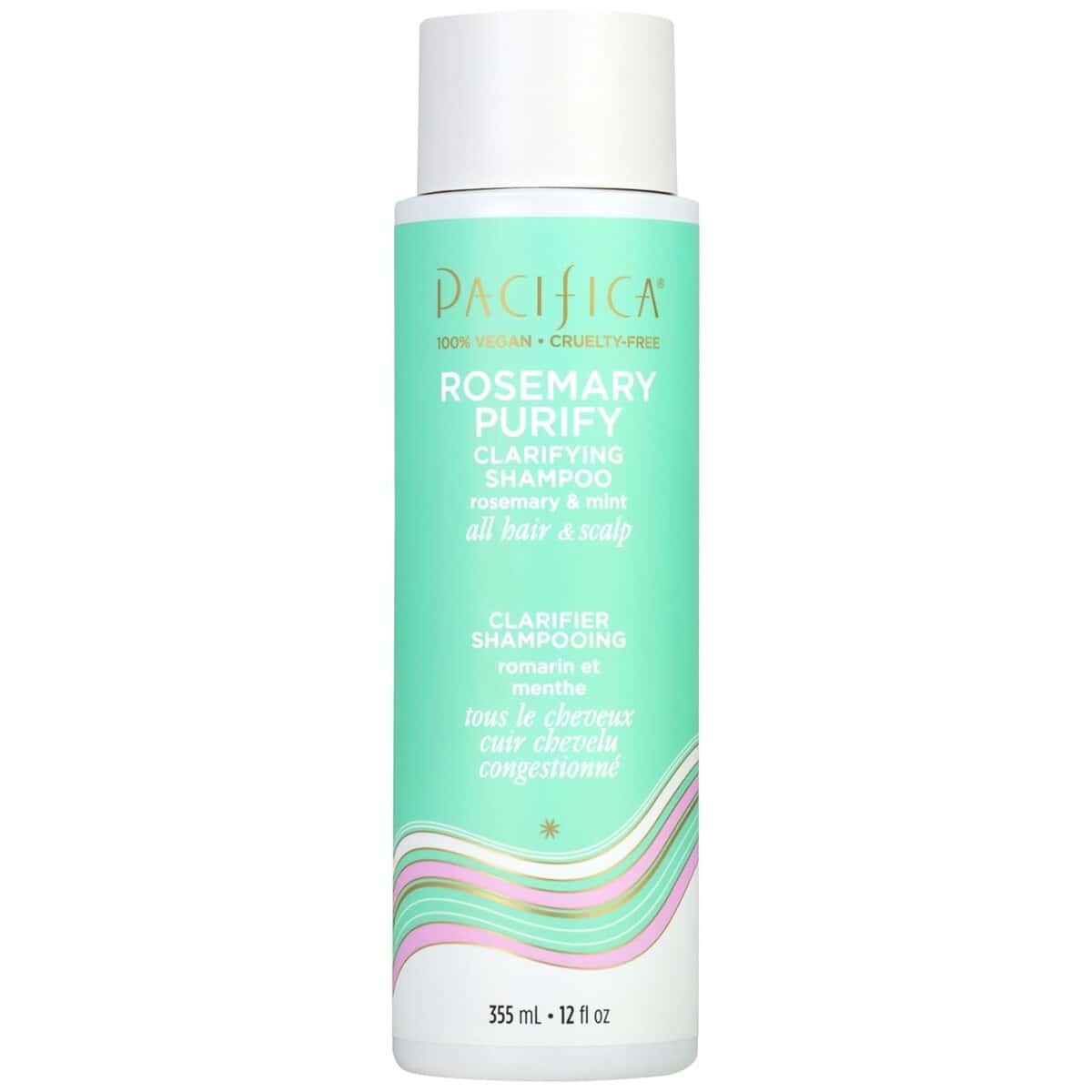
Pacifica Rosemary Purify Shampoo
Best for: Removing buildup and excess oil without stripping 3A curls.
Best use: Weekly or biweekly to reset the scalp and boost root volume.
Why: Its sulfate-free formula lifts away residue while keeping moisture levels balanced, essential for reducing flat roots and preparing hair for lightweight styling.
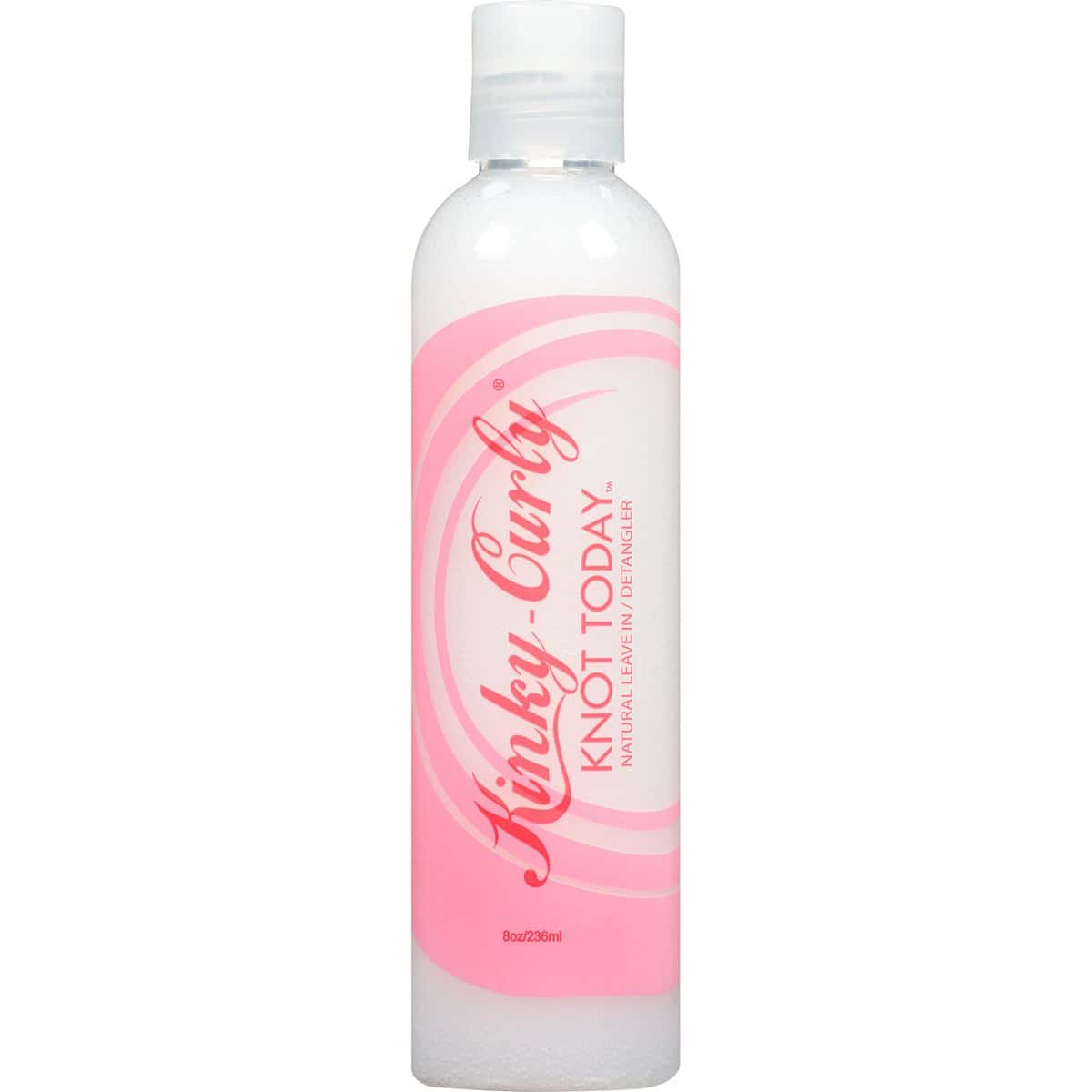
Kinky-Curly Knot Today Leave-In
Best for: Detangling and prepping strands immediately after cleansing.
Best use: Apply to damp hair right after shampooing, before styling products.
Why: This lightweight leave-in smooths the cuticle and adds slip, helping 3A curls retain definition and bounce without heaviness, the perfect bridge between cleansing and styling.
2. Style with a “Less Is More” Approach
3A curls thrive when you resist the urge to overload them, but layering the right products in the right order makes all the difference. After cleansing, apply a lightweight leave-in conditioner to hydrate and smooth the cuticles. From there, you can choose one of two approaches:
- Leave-in + Gel/Mousse: Ideal for finer strands, low-porosity hair, or low-humidity climates where excessive moisture can weigh down curls.
- Leave-in + Cream + Gel/Mousse: Ideal for high-porosity hair, color-treated or heat-damaged curls, or extra-dry climates that need added nourishment and definition.
This intentional layering controls frizz, enhances curl memory, and keeps your results soft and touchable, without ever becoming crunchy or greasy.
Styling Faves – Curl Definition & Hold
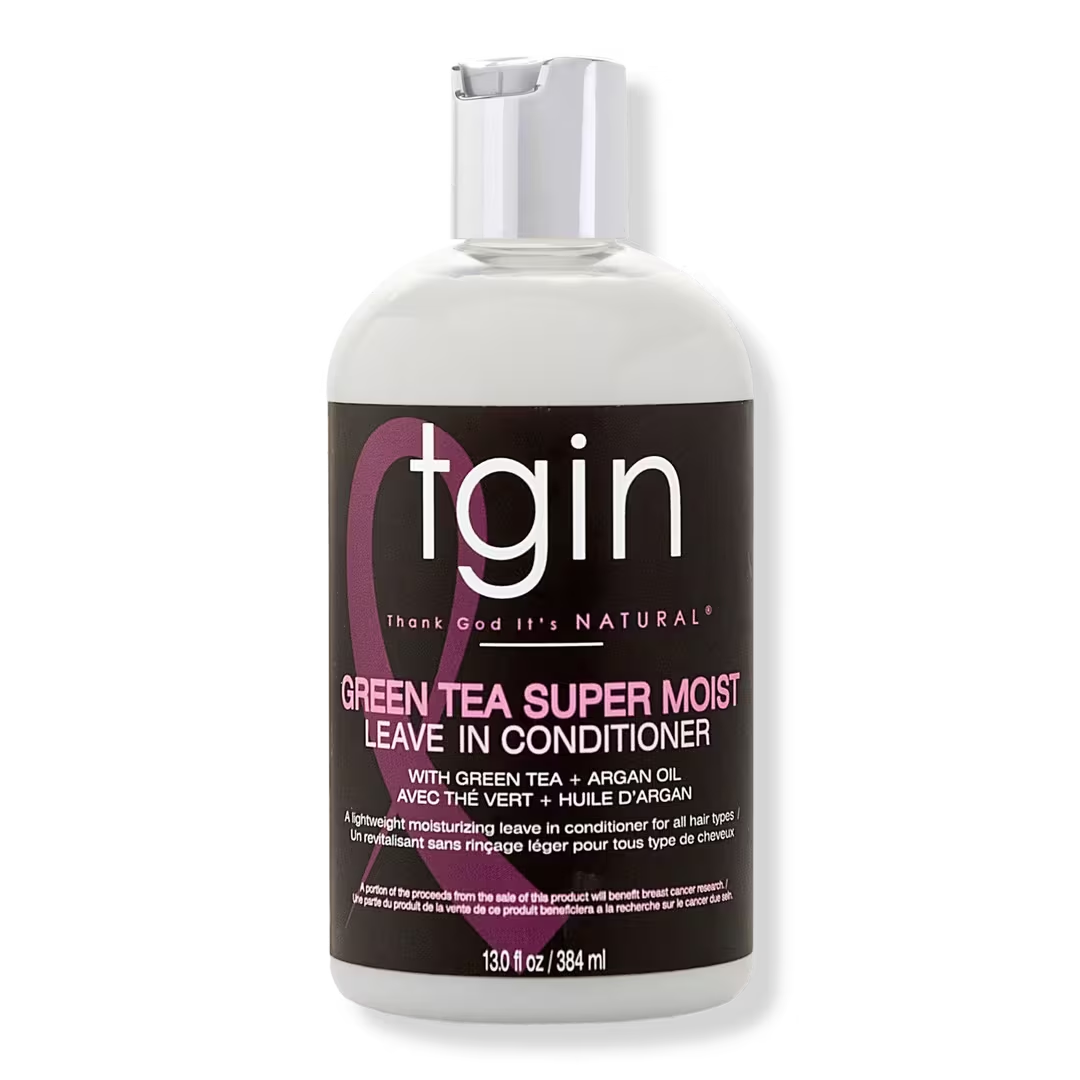
TGIN Green Tea Super Moist Leave-In Conditioner
Best for: Lightweight hydration and cuticle smoothing before styling.
Best use: On damp hair as your first styling step, especially for fine or low-porosity strands.
Why: Adds slip and moisture without buildup, creating the perfect base for gels or mousses to enhance definition.
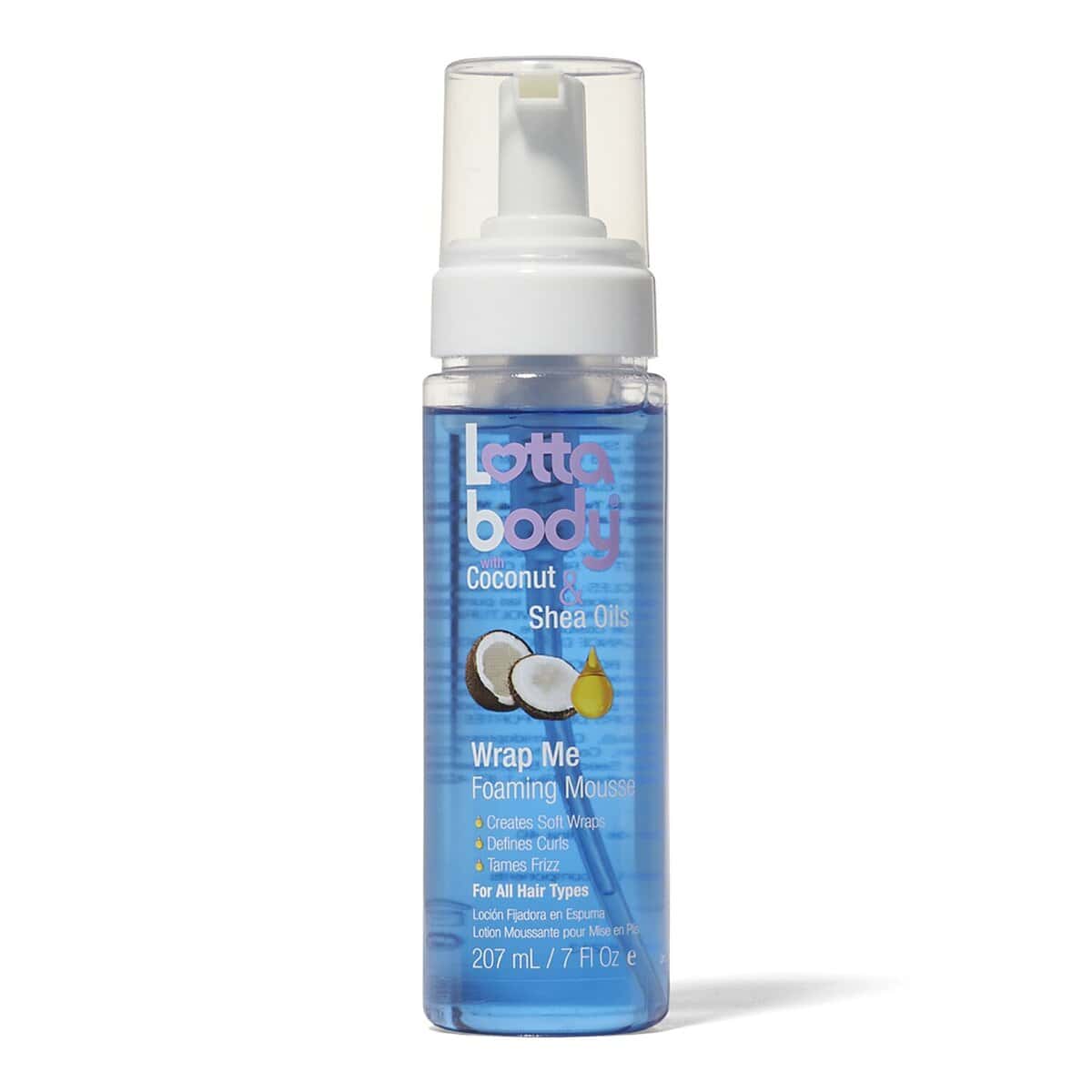
Lottabody Wrap Me Foaming Mousse
Best for: Adding volume and bounce while defining 3A ringlets.
Best use: As a finishing layer after your leave-in (and curl cream, if needed) to boost shape and lift at the roots.
Why: Its airy formula builds hold without stiffness, preventing flat roots and helping curls stay light and springy.
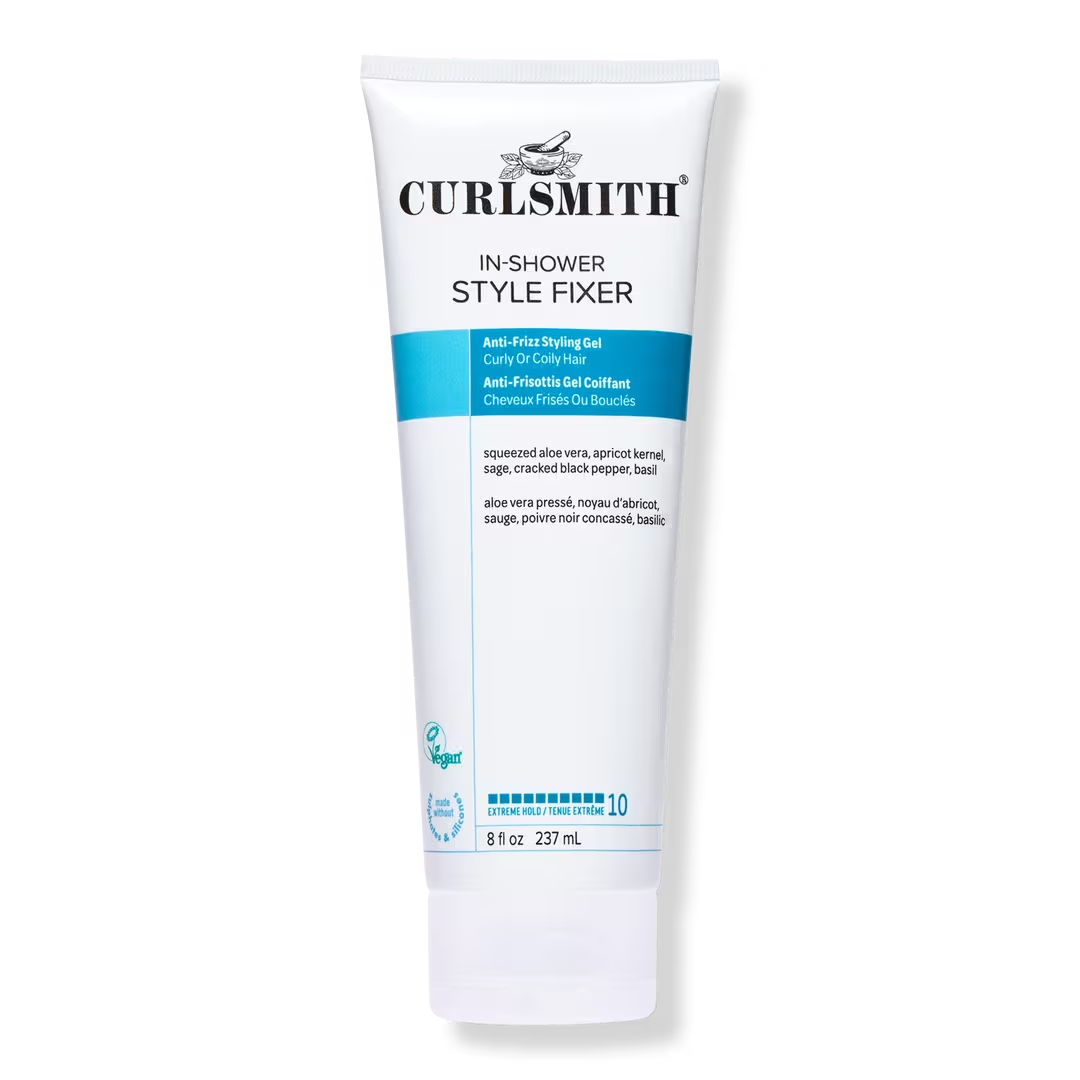
Curlsmith In-Shower Style Fixer
Best for: Humidity-prone climates or frizz-prone curls that need flexible hold.
Best use: Scrunch into damp hair as your final layer to lock in curl pattern and extend wash day results.
Why: It seals in definition with soft, touchable hold, never crunchy, while protecting curls from moisture shifts.
3. How to Diffuse or Air Dry 3A Hair (Without Frizz)
How you dry your curls is just as important as the products you use. Here’s how to diffuse curly hair for volume or air-dry 3A curls for a softer, more relaxed finish, and how to avoid the most common drying mistakes.
The Right Way to Diffuse:
- Let products set first. After applying your leave-in, cream, and/or gel, let your hair air-dry to about 60–70% before diffusing. This gives your styling products time to “cast” and lock in curl definition.
- Protect before you heat. Always apply a light heat protectant before turning on the diffuser, even on the lowest heat setting, to prevent dryness and damage.
- Add shine and reduce frizz. Once hair is completely dry, smooth a small amount of lightweight oil over your curls. This breaks the gel cast (if you used one), boosts shine, and seals in moisture.
Drying Options:
- Air Drying: Creates looser, beachier curls with a soft, relaxed shape. Ideal for low-maintenance days or when you prefer a gentler finish.
- Diffusing Upside Down: Builds volume at the crown and encourages tighter, ringlet-like curls. Great when you want more shape and lift.
Recommended Finishing Products:
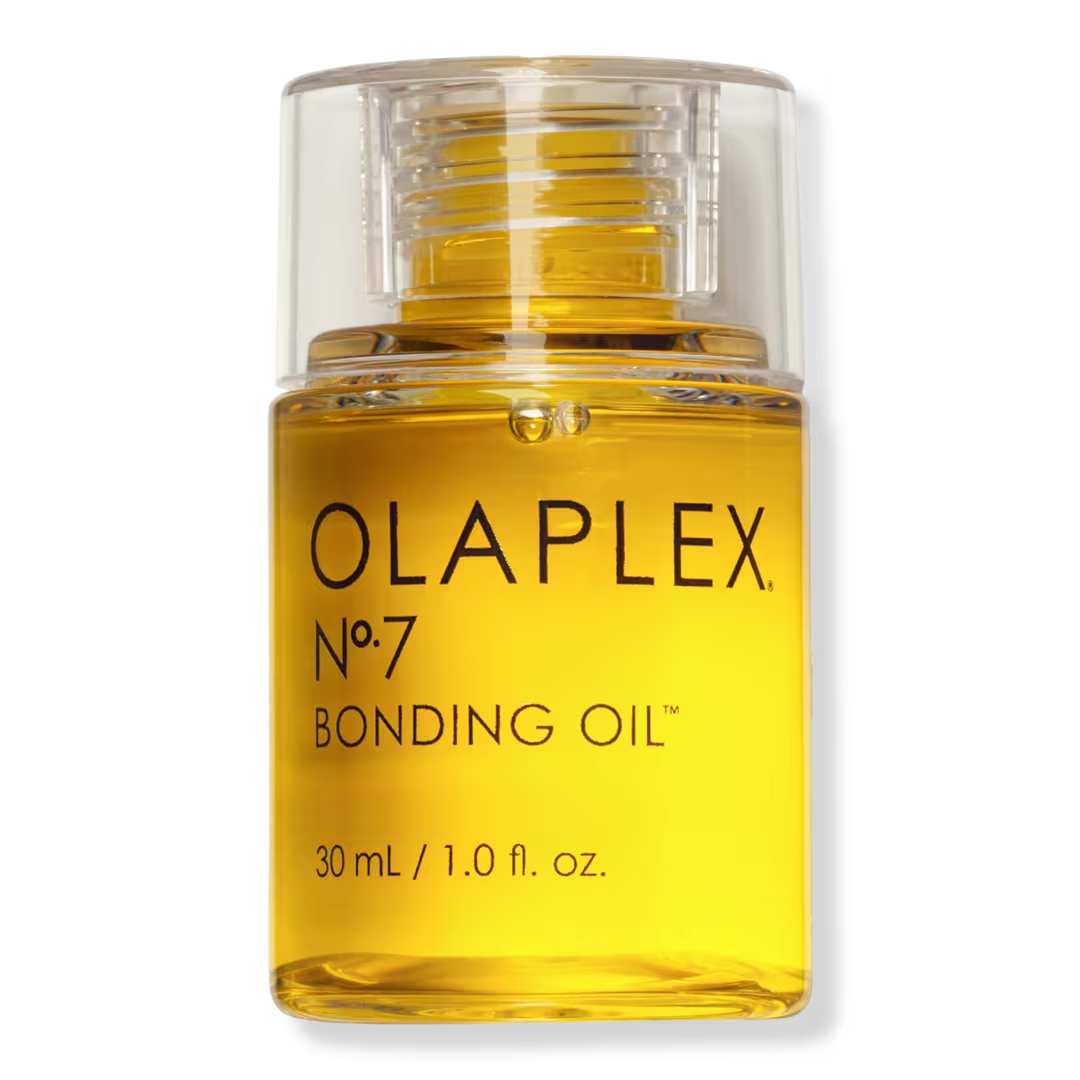
Olaplex No.7 Bonding Oil
Best for: All porosities and curl types needing lightweight shine and frizz control.
Best use: After hair is fully dry, to break the cast, boost softness, and add a healthy finish.
Why: Ultra-light and highly concentrated, it adds gloss and seals the cuticle without weighing down fine 3A strands.
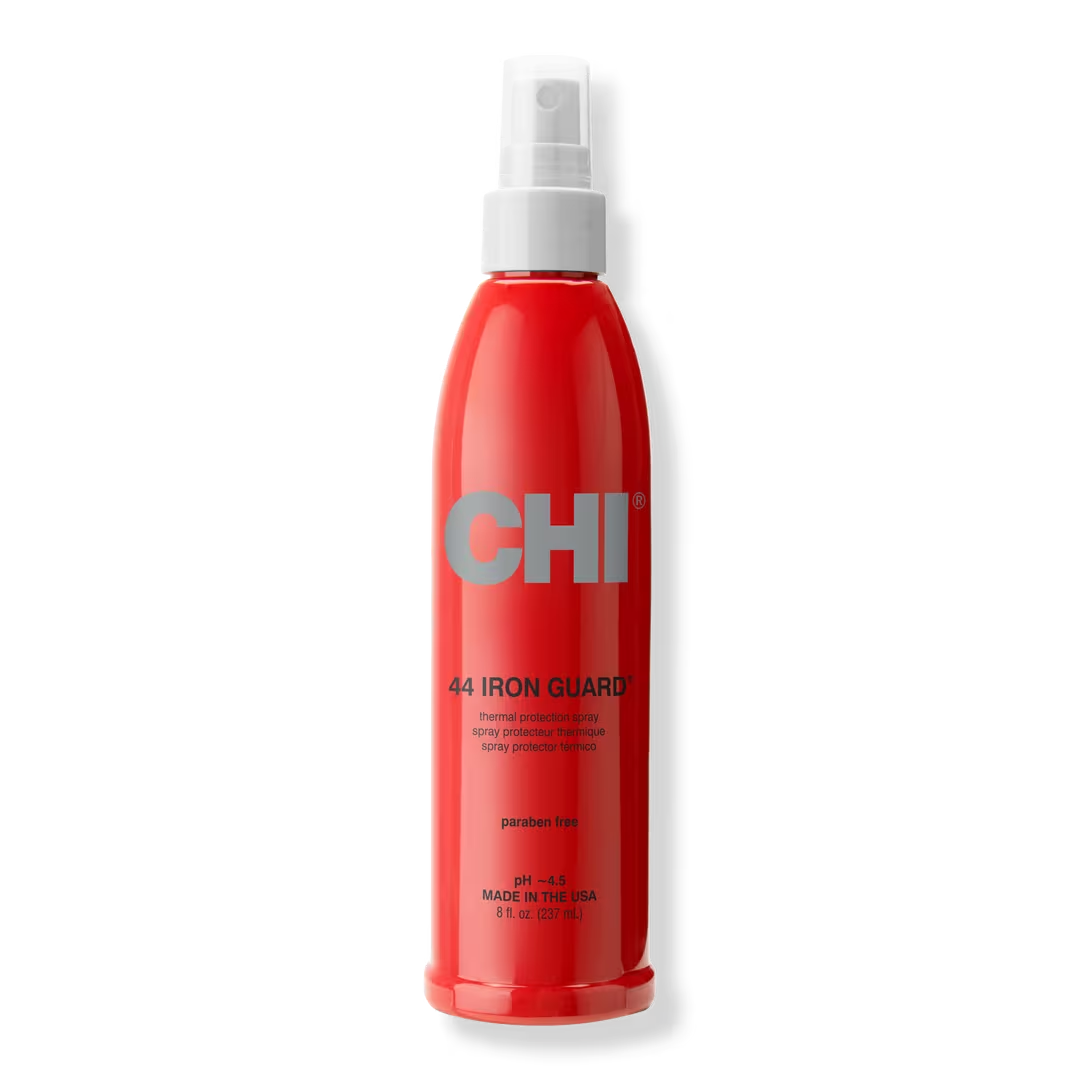
CHI 44 Iron Guard Thermal Protection Spray
Best for: All hair types needing heat protection during diffusing or heat styling.
Best use: Mist lightly from mid-length to ends, then diffuse on low or medium heat.
Why: Shields curls from heat damage while keeping moisture sealed in essential if you diffuse regularly.
Styling Tips for 3A Hair: Volume, Definition & Long-Term Curl Health
3A curls respond beautifully to small tweaks, and the right styling choices can make a huge difference in how defined, voluminous, and healthy your hair looks long-term. Try these strategies to build on the results of your wash day:
Get the Right Haircut (and Avoid the Wrong Ones)
A well-cut shape can completely transform how 3A curls behave. Ask your stylist for long layers and face-framing pieces; they remove bulk, encourage curl formation, and add lift at the roots without weighing your hair down.
Haircuts to Avoid:

Photo via Pexels.com
- Blunt one-length cuts: These can make 3A hair look heavy and shapeless, especially at the ends.
- Too many short layers: Over-layering creates frizz and uneven curl clumps.
- Heavy razor cuts: These can thin out your ends too much and cause uneven shrinkage.
If volume is your goal and you’re wondering how to achieve more volume in 3A hair, avoid blunt cuts and heavy layers they can drag your curls down and cause them to lose definition faster.
Tip: Always cut curls when they’re dry or styled naturally so your stylist can see the real shape and shrinkage pattern.
Adjust the Curly Girl Method to Fit 3A
While the Curly Girl Method is a great foundation, strict “no-shampoo” routines or heavy butters can overwhelm 3A strands, leading to buildup. Instead, opt for light, cleansing, and airy water-based products to keep curls bouncy and defined.
If you love occasional straight styles, focus on maintaining balance:
- Let curls “rest” for at least 2–3 wash days (about 10–14 days) between heat sessions to give your pattern time to recover.
- Always use a heat protectant before blow-drying or using a flat iron.
- Deep condition after straightening to replenish moisture and elasticity.
Want a full guide on how to straighten curly hair without heat damage? Check out my detailed tutorial here: Best Heat Protectants + Step-by-Step Guide
Protect Overnight
Nighttime care is key for preserving definition and reducing breakage:
- A pineapple (or a loose high ponytail) helps maintain volume overnight.
- Satin or silk pillowcases reduce friction and minimize frizz.
- A bonnet or scarf adds an extra layer of protection, especially helpful for longer hair or those prone to split ends.
Best Products for 3A Hair: Lightweight Leave-Ins, Gels & Mousses
Photo via Pexels.com
Here’s your ultimate cheat sheet of go-to products to build the perfect 3A routine from cleansing and styling to heat protection and finishing touches.
If you’re searching for the best products for 3A curls from lightweight leave-ins to frizz-fighting gels, this cheat sheet covers everything you need for a defined, bouncy, and frizz-free routine.
Lightweight Leave-Ins & Curl Creams
- Natura Ekos Murumuru Leave-In – Best for: daily hydration and curl definition without buildup. Why: Its lightweight formula softens strands and boosts bounce, perfect as a first styling layer. | Natura | Amazon
- TGIN Green Tea Super Moist Leave-In – Best for: fine or low-porosity curls that need slip without heaviness. Why: Adds moisture and manageability without weighing hair down.
Anti-Frizz Gels & Serums
- Obliphica Seaberry Serum – Best for: sealing dry ends and fighting frizz. Why: Smooths the cuticle and enhances shine without coating or buildup. | Amazon
- Curlsmith Shine Gel – Best for: humidity-prone weather and achieving a soft hold. Why: Locks in curl definition without crunch or flaking.
Volumizing Mousses
- Lottabody Wrap Me Foaming Mousse – Best for: root lift and lightweight hold. Why: Enhances curl shape while keeping strands bouncy.
- SheaMoisture Coconut & Hibiscus Frizz-Free Curl Mousse – Best for: soft, defined curls with added shine. Why: Perfect for enhancing volume on wash-and-go days. | Amazon | Target | Ulta
Heat Protection & Finishing Essentials
- CHI 44 Iron Guard Thermal Protection Spray – Best for: protecting curls from diffusing or flat ironing. Why: Shields strands from heat damage while preserving moisture and elasticity.
- Olaplex No.7 Bonding Oil –Best for: finishing dry curls and breaking gel cast. Why: Boosts shine, reduces frizz, and seals moisture without weighing down fine 3A strands.
Pro Tip: Think of this list as your toolkit, mix and match based on your hair’s needs that day. For example:
- Want max volume? Try Murumuru Leave-In + Lottabody Mousse + Olaplex Oil (Use code ANAPOKORA10 for 10% off at Natura)..
- Straightening this week? Switch to your smoothing lineup: use a lightweight straightening primer or serum, followed by CHI Heat Protectant and Obliphica Seaberry Serum to prep and protect before heat styling.
3A Curls FAQ
How often should I wash 3A hair?
Most people with 3A curls benefit from washing their hair once or twice a week. If your roots get oily quickly, use a lightweight, sulfate-free shampoo or a scalp-refreshing rinse midweek to avoid buildup without stripping moisture.
Can I use heavy creams or butters on 3A hair?
It’s best to avoid them for everyday use. Heavy products can weigh down looser curls, flatten your roots, and reduce definition. Save richer creams for deep hydration treatments or when your hair feels extra dry.
How often is it safe to straighten 3A hair?
Try to limit heat styling to once every 10–14 days, giving your curls at least two to three wash days to “reset” between straightening sessions. Always use a heat protectant and follow with a deep conditioner to maintain elasticity and prevent damage.
Why do my 3A curls lose definition by the second day?
This is usually due to product buildup, high humidity, or the use of formulas that are too heavy. Try refreshing curls with a water-based spray and a lightweight mousse, then scrunch in a few drops of oil once dry to revive bounce and shine.
Are 3A curls considered wavy or curly?
3A hair is technically part of the curly category, but it sits right at the border between waves (Type 2C) and tighter curls (3B). That’s why it can look more wavy one day and curlier the next, depending on humidity, products, and styling methods.
How can I get more volume in my 3A hair?
Focus on lightweight styling products, upside-down diffusing, and haircuts with layers that lift the crown. Avoid heavy creams or oils that weigh down your curls.
Why does my 3A hair lose definition so easily?
This often happens due to humidity, product buildup, or formulas that are too heavy. Refreshing with a water-based spray and mousse helps restore curl shape without starting from scratch.
Final Thoughts: Your Curls Are Just Right
3A hair isn’t stuck in the middle; it’s versatile, expressive, and full of personality. Some days it leans more wavy, other days more curly, and that’s part of its charm. With the right balance of moisture, lightweight products, and styling techniques, those soft, springy curls can truly shine.
Next Steps for Your Curl Journey:
- Ready to take your routine even further? Check out my brand-new Curly Hair Resource Guide: Routines, Tips & Products; your one-stop hub that links to every curl type article, styling guide, and product recommendation.
- Want a complete overview of all Type 3 curls? Check out Type 3 Curly Hair Explained (3A, 3B, 3C) and Transitioning Tips to see how each curl type differs and how to care for them as you transition to your natural pattern.
- Learn what makes 3B curls unique in our upcoming guide. (coming soon)
- Compare how 2C waves compare to 3A curls. 2C Guide (Coming Soon)
- Bookmark our Curly Hair Chart post for a complete breakdown of every curl type. (coming soon)
This article contains affiliate links. That means I may receive a small commission if you choose to purchase through my recommendations, but every product mentioned is one I genuinely trust and use myself. All opinions are my own. See my full disclosure here.
The Complete 3A–3C Curl Routine—All in One Guide
If you have 3A curls and want a routine that enhances definition without weighing your hair down, this guide walks you through what works for Type 3 textures. Designed to be saved, referenced, and reused—not skimmed once and forgotten.


2 Comments