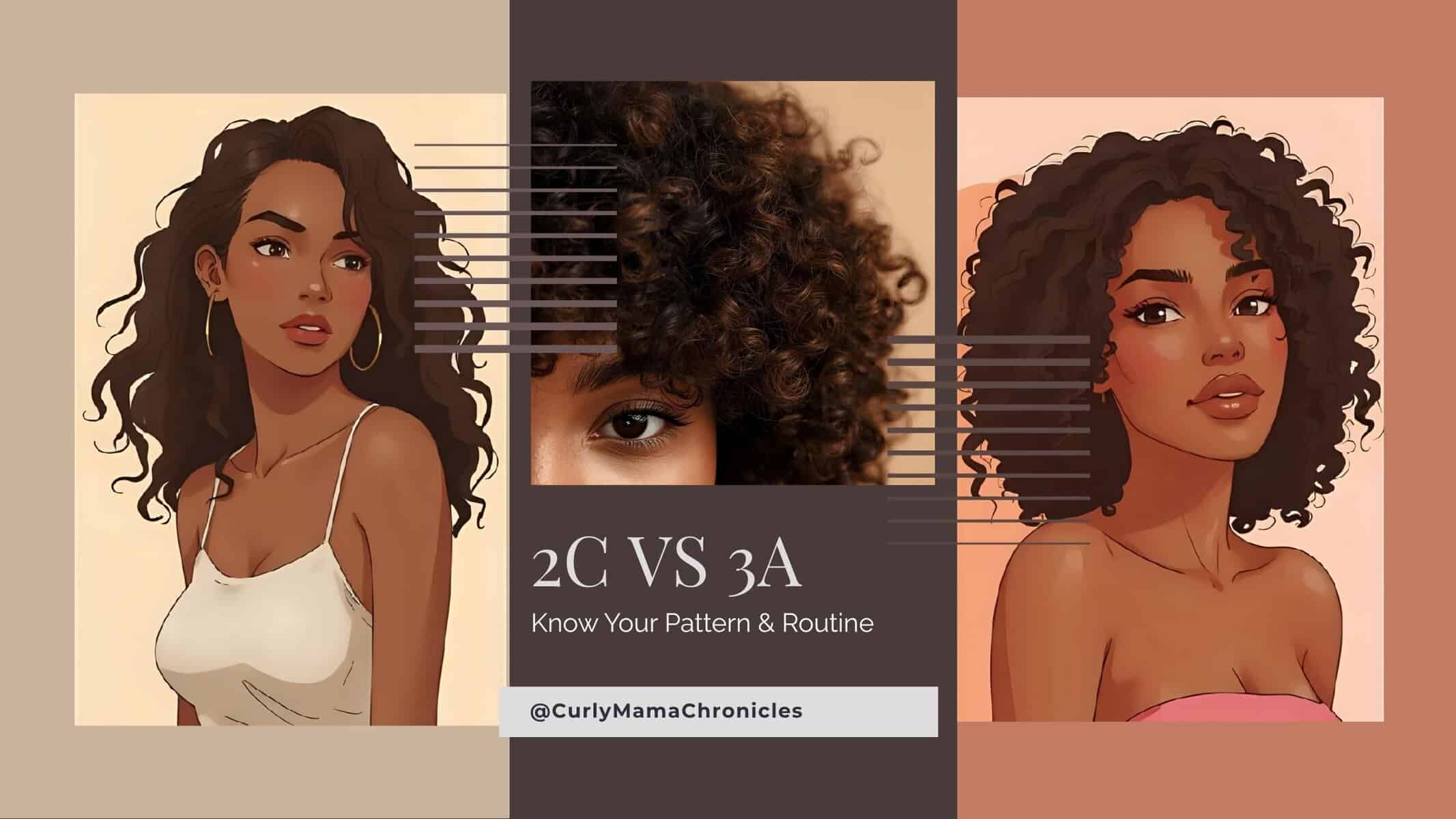
2C vs 3A Hair: Key Differences and How to Care for Each
This post may contain affiliate links, which means I may earn a small commission if you make a purchase through them, at no extra cost to you. I only recommend products I genuinely trust and use. See my full disclosure here.
When I first started comparing my curl pattern, I couldn’t figure out if I had wavy hair that wanted to curl or curly hair that refused to stay defined. If you’ve felt the same, chances are you might actually have both 2C and 3A textures.
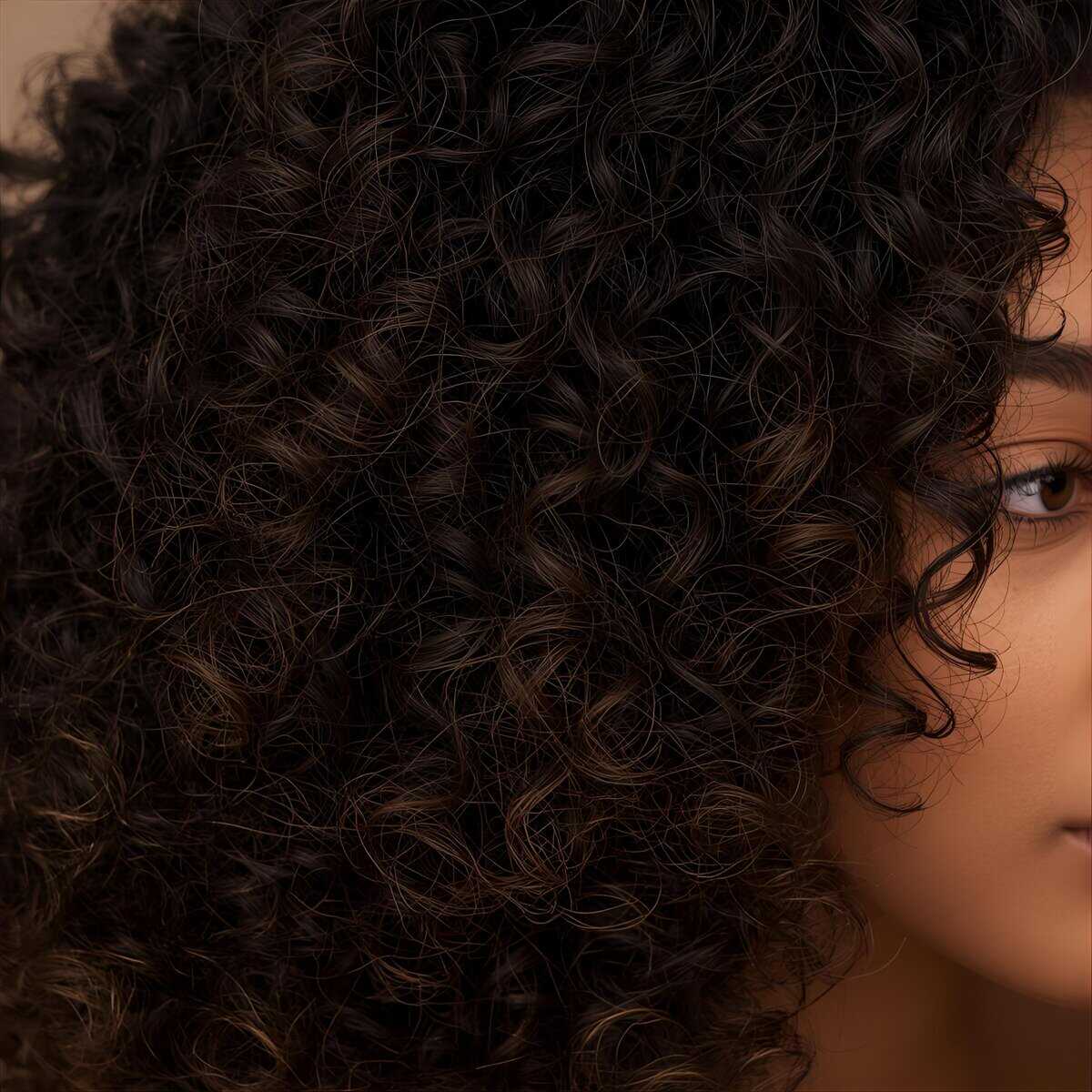
Both belong to the wavy-curly spectrum: 2C hair forms defined “S” waves with light frizz, while 3A curls spiral into loose ringlets that shrink as they dry. Once you understand how they differ and how to care for each, your curls start cooperating instead of competing.
2C vs 3A Hair at a Glance
| Feature | 2C Hair | 3A Hair |
| Curl Shape | Loose “S” waves, more defined at ends | Spiral ringlets, about marker-size |
| Volume | Naturally flatter roots | More natural root lift and bounce |
| Frizz | Moderate, mainly from humidity | Persistent, especially at the crown |
| Porosity | Low to medium | Medium to high |
| Moisture Needs | Light hydration to avoid limpness | Richer moisture to prevent dryness |
| Styling Goal | Encourage volume & definition | Control frizz & retain curl shape |
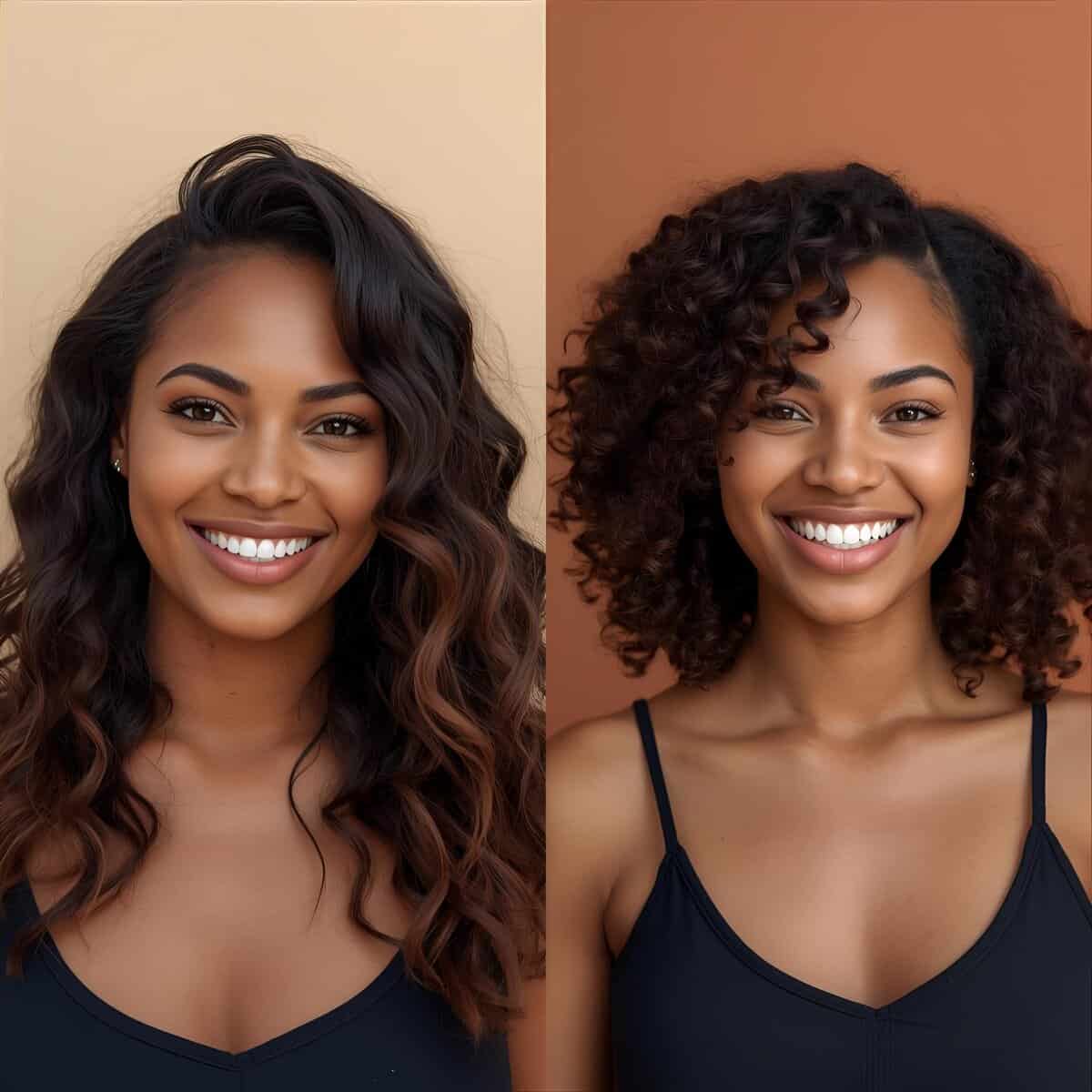
Once you’ve identified the patterns, it’s easier to see where your curls fall on the wavy-curly spectrum and why one section might act totally different from the rest.
Tip: If your hair looks wavy when damp but curls up as it dries, you’re likely a mix somewhere between 2C and 3A. For example, the hair at the nape of my neck is more 2C, while the layers above curl into 3A, and a few 3B spirals sneak in too. Mixed textures like that are completely normal.
How to Tell If You Have 2C or 3A Hair
1. Pattern Test
2C forms stretched “S” waves that might fall flat without a product.
3A creates full spirals that begin to curl near the root.
2. Frizz & Humidity Response
2C frizzes mainly in humid weather but smooths easily with lightweight serums.
3A tends to expand quickly and needs consistent moisture sealing to hold definition.
3. Root Lift
2C hair often needs diffusing or volume mousse to lift roots.
3A curls usually have natural bounce but can shrink when overly moisturized.
Common Challenges for 2C and 3A Hair
For a long time, I thought my hair was 3B because of how much volume I could get with mousse. But after my big chop, I started styling from back to front in sections, and that’s when I realized my pattern sits between 2C and 3B, with multiple textures mixed in.
If you’re in this range, you’ve probably run into these issues:
| Hair Type | Common Struggles |
|---|---|
| 2C Hair | • Frizz and limp roots • Over-conditioning makes waves collapse |
| 3A Hair | • Dryness and frizz at the crown • Shrinkage after styling |
| Both | • Product buildup on the scalp • Uneven definition from mixed curl textures |
How to Care for 2C Hair
2C hair thrives on light hydration and volume balance. You want moisture without the weight that flattens your waves.
Recommended Routine:
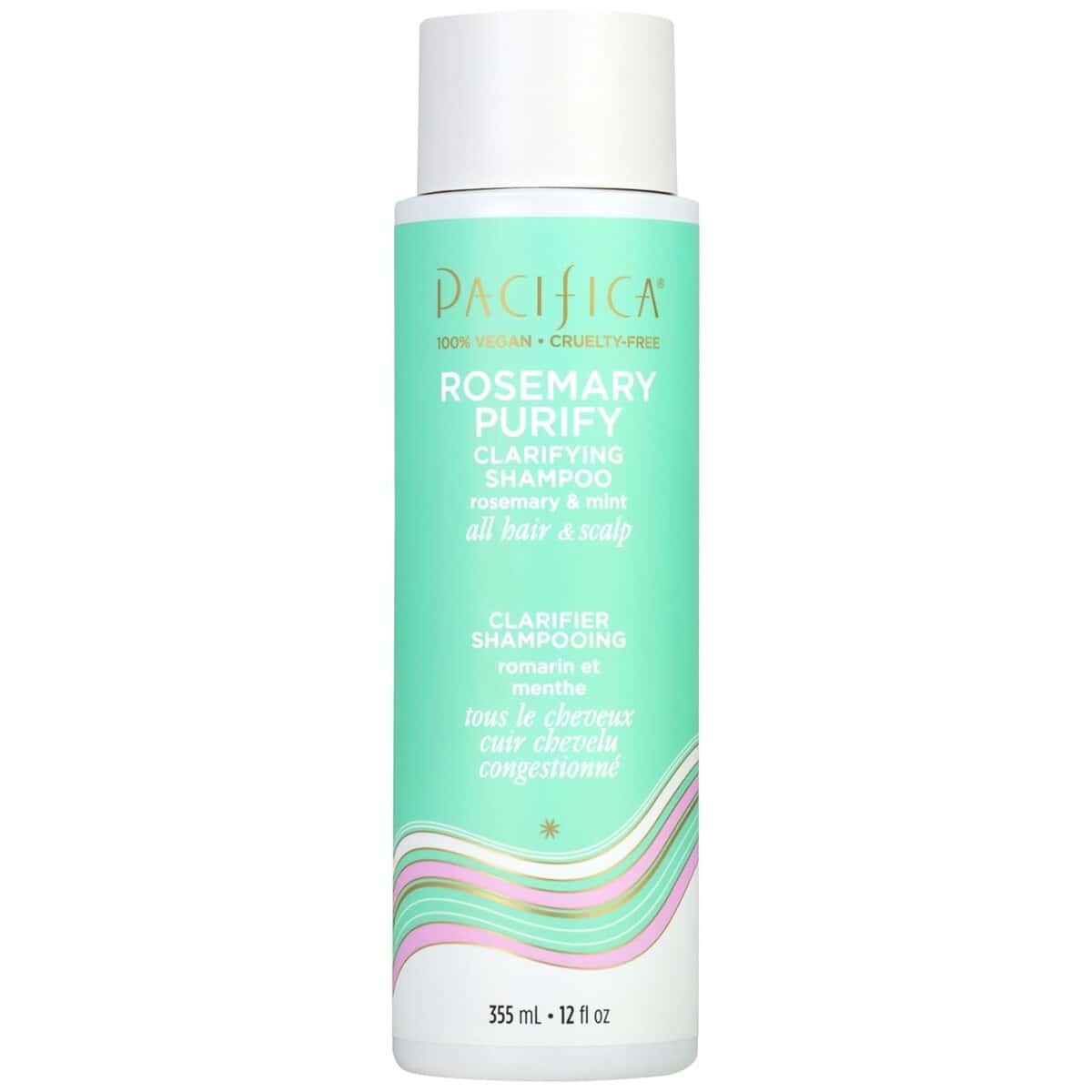
Pacifica Rosemary Purify Shampoo
Clarifies gently and resets bounce.
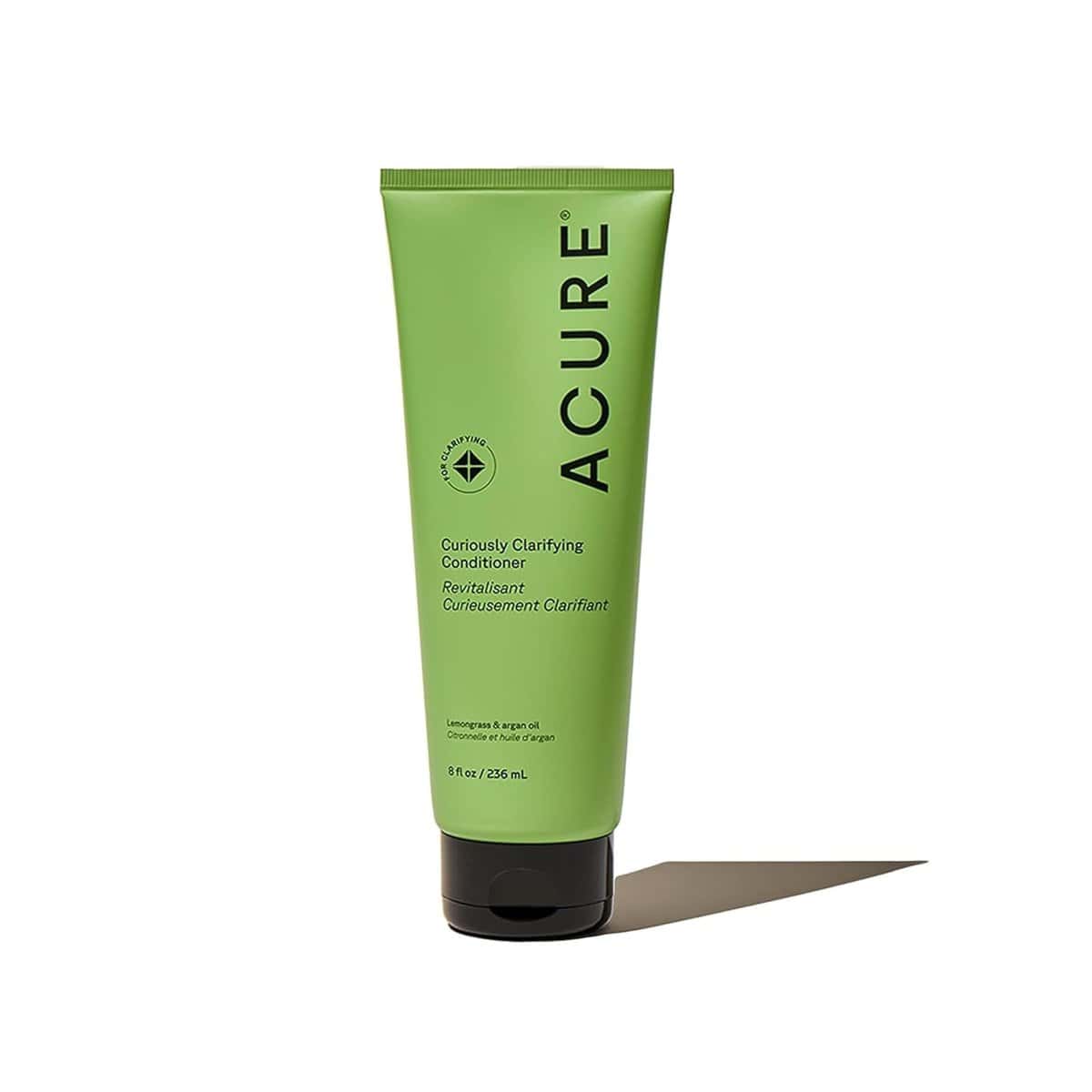
Acure Curiously Clarifying Conditioner
pairs perfectly after clarifying for softness without heaviness.
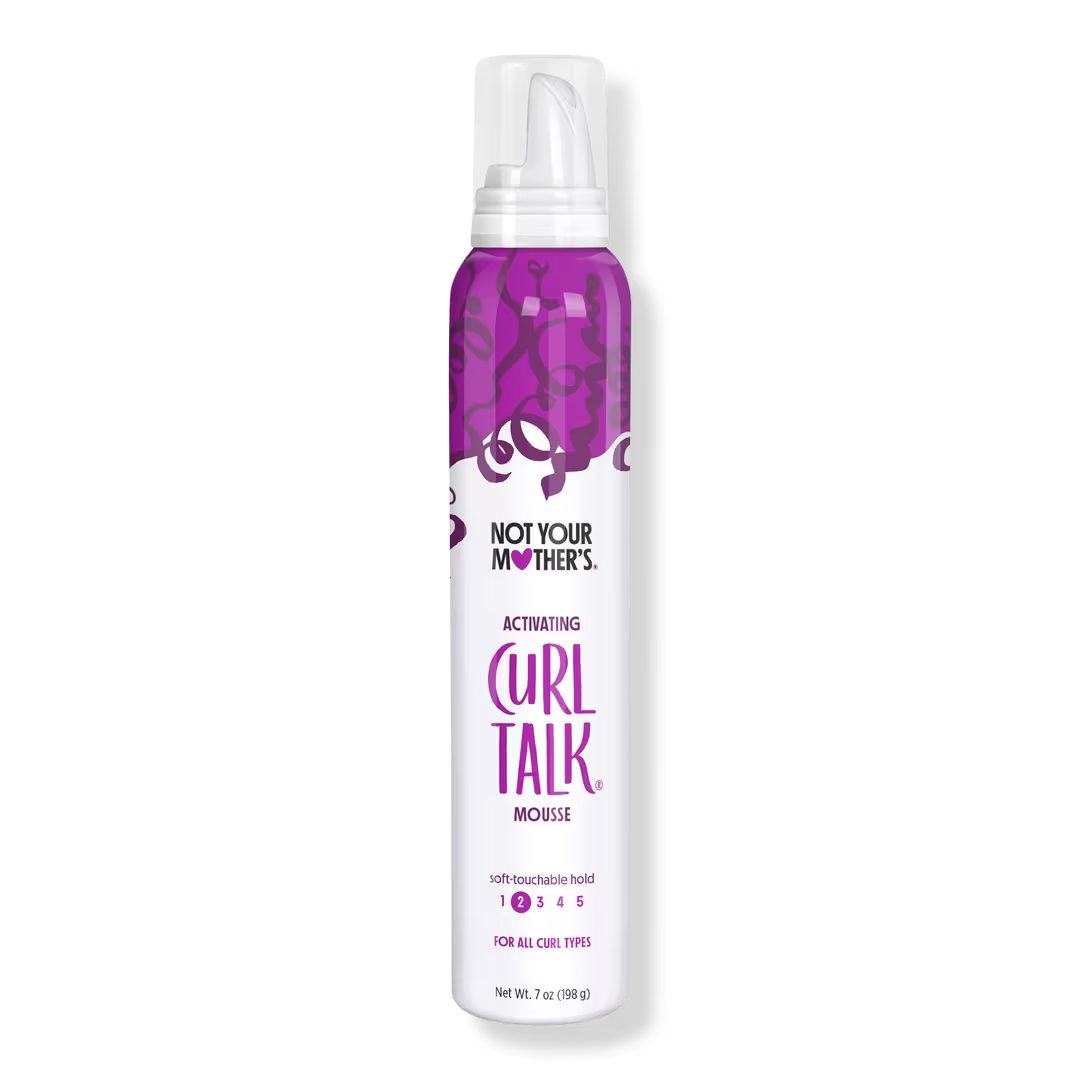
Not Your Mother’s Curl Talk Activating Mousse
adds lift and texture without crunch.
Refresh: A mix of leave-in and water in a spray bottle to revive next-day waves.
Quick Tip: Flip your hair upside down while diffusing to boost root volume and avoid flat sections.
Learn More: For a complete step-by-step guide, check out my 2C Hair Routine: Hydration, Definition & Frizz Control (coming soon). It covers porosity care, lightweight layering, and how to keep your waves bouncy all week.
How to Care for 3A Hair
3A curls crave hydration, layering, and frizz control. These spirals respond best to a routine that locks in moisture from base to finish.
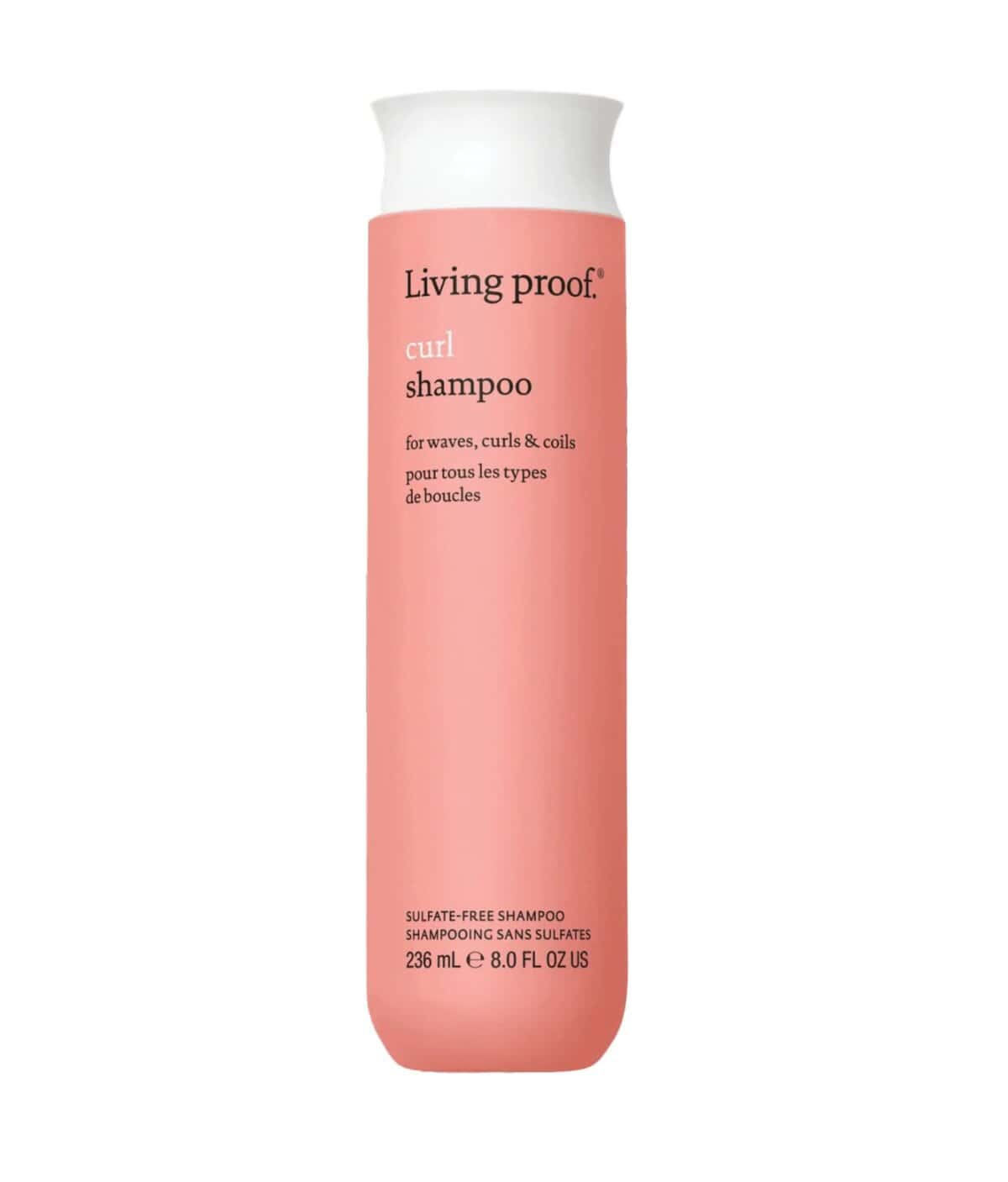
Living Proof Curl Shampoo
sulfate-free and keeps curls bouncy.
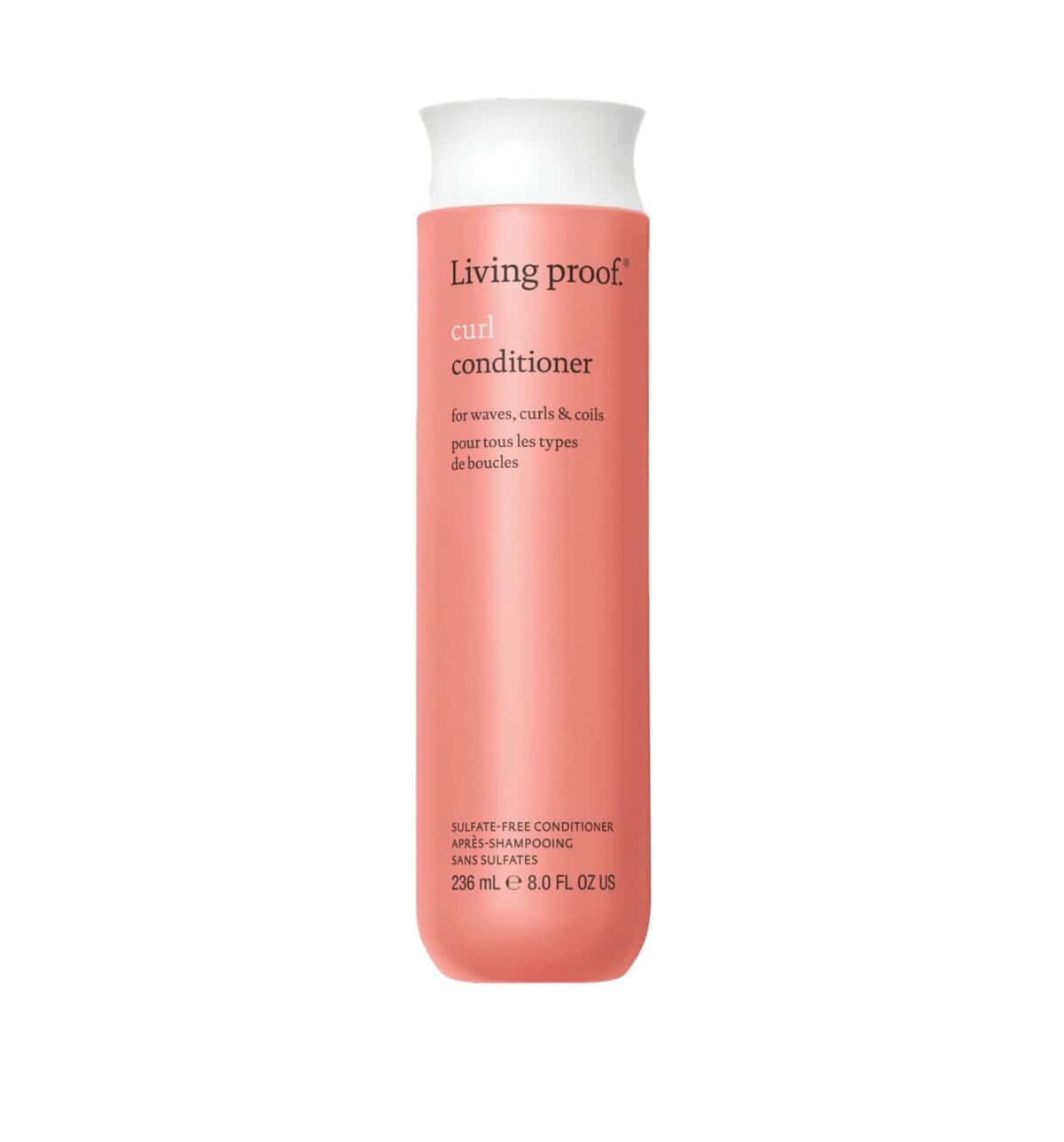
Living Proof Curl Conditioner
adds slip and hydration without buildup.
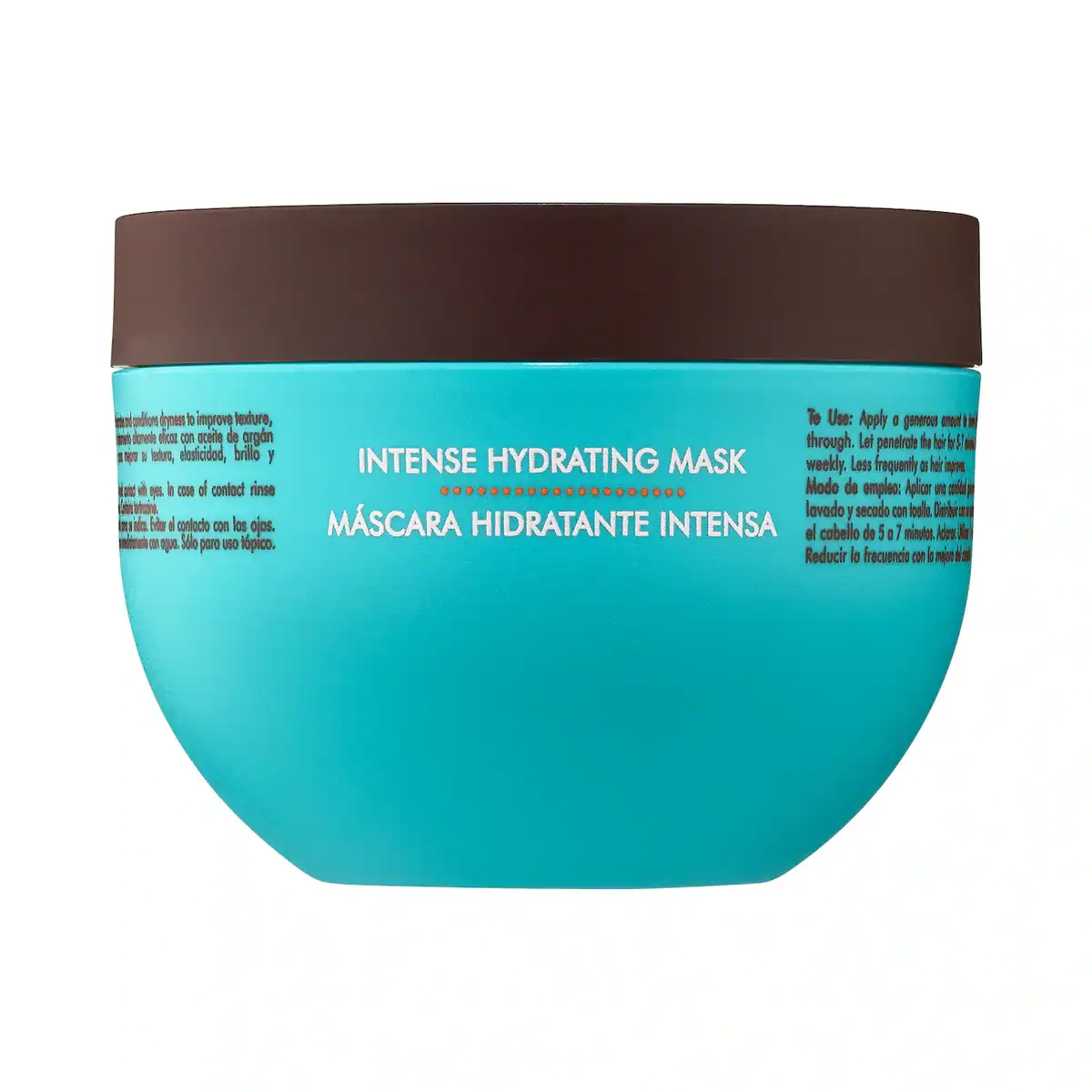
Moroccanoil Intense Hydrating Mask
weekly moisture boost.
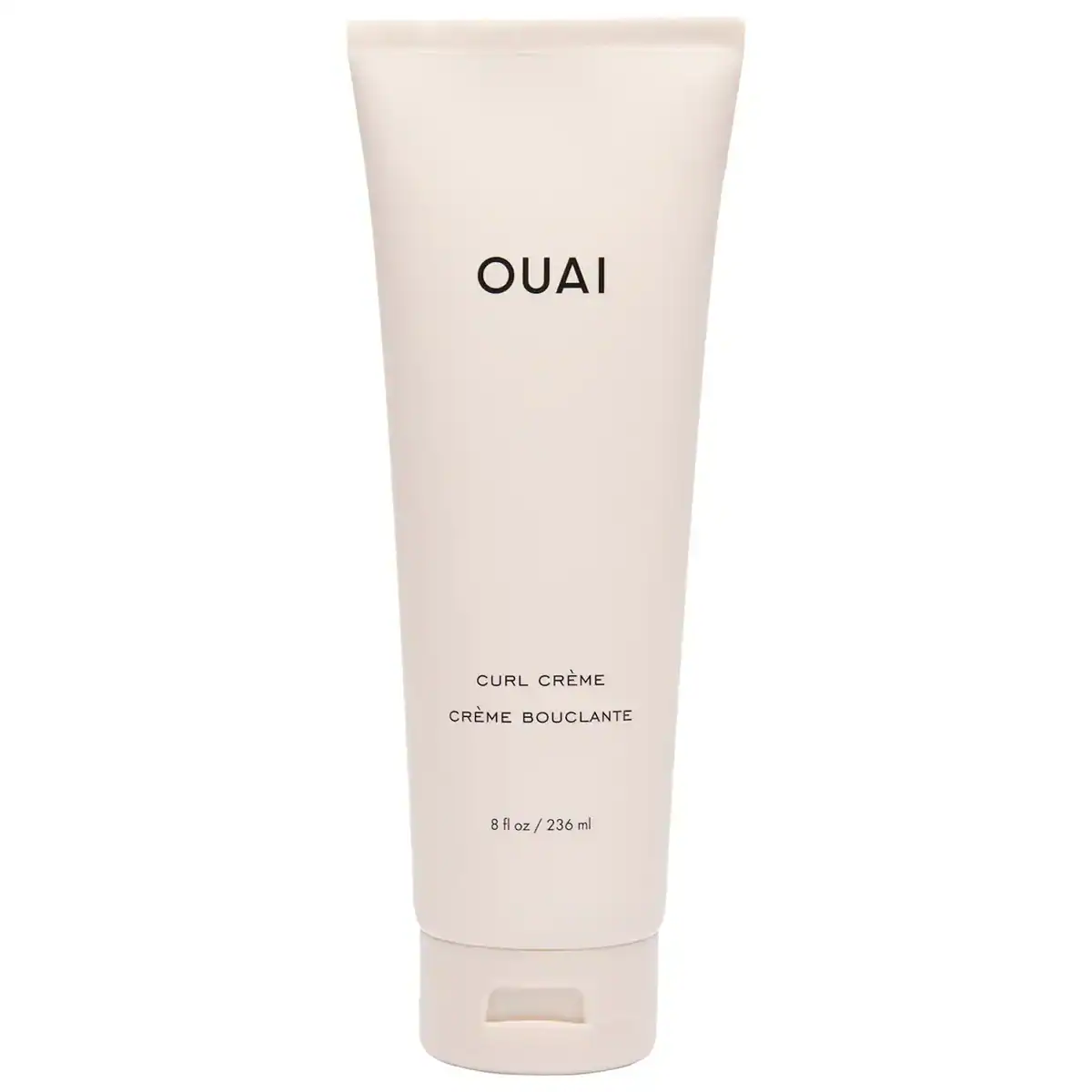
Ouai Curl Crème
smooth definition with humidity protection.
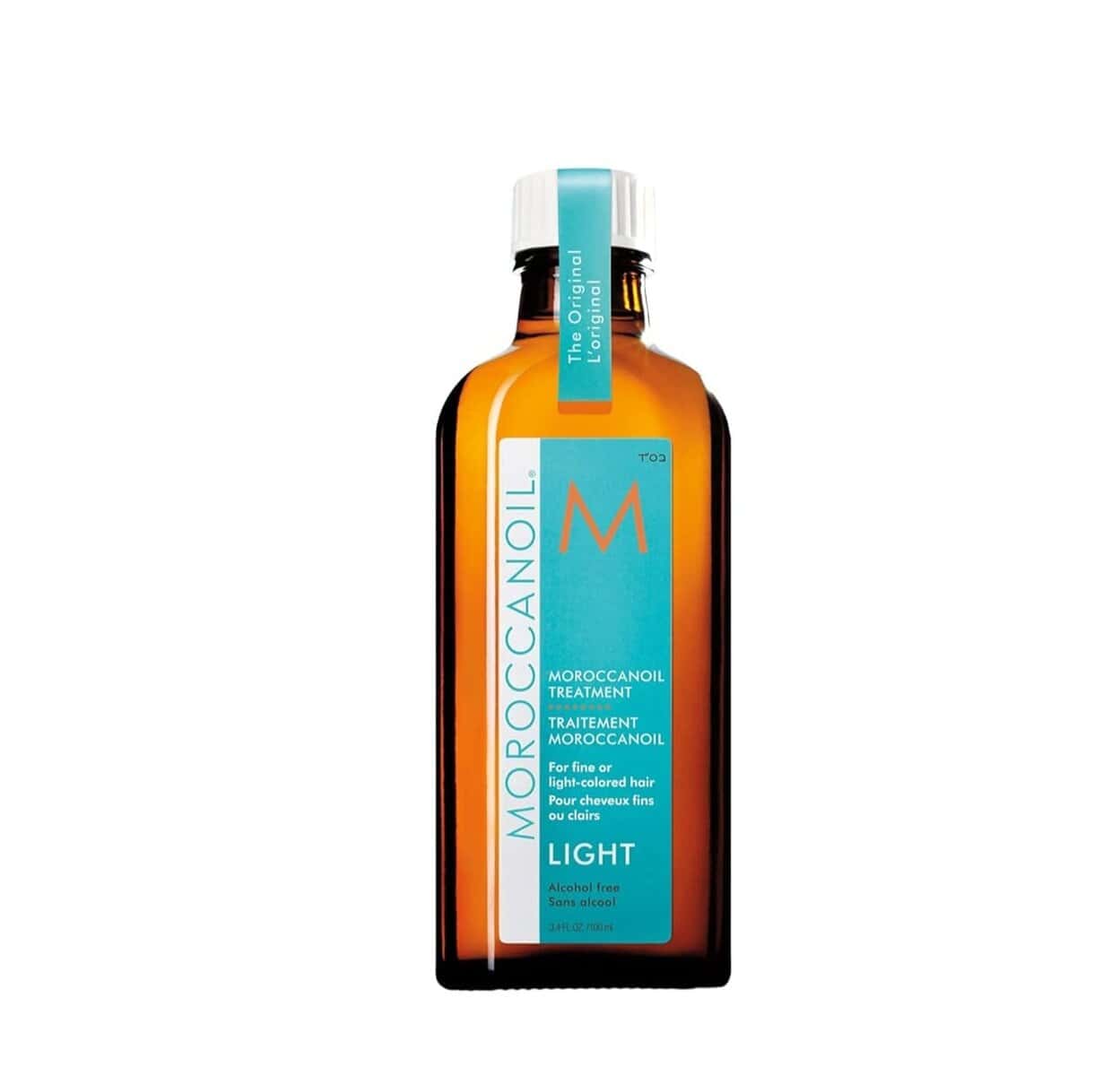
Moroccanoil Treatment Light
prevents halo frizz and adds shine.
Styling tip: Apply products in sections on soaking-wet hair, then diffuse on low heat to keep curl pattern intact.
Learn More: For a complete routine tailored to this curl type, visit my 3A Hair Routine: Moisture, Bounce & Curl Definition; it breaks down seasonal product swaps, layering techniques, and how to balance volume with frizz control.
Best Beginner-Friendly Products for 2C & 3A Hair & Mixed Textures
Want to save these product combos and shop them later? Follow me on Pinterest to download the 2C–3A curl routine boards and find all the featured products in one place.
When you’re still figuring out your curl type or if your hair shifts between 2C and 3A, it’s all about keeping your products simple and your layering intentional. Mixed textures often mean one section loves lightweight mousse while another thrives on richer creams, so styling in sections makes all the difference.
- Cleanse & Reset—Pacifica Rosemary Purify Shampoo: Removes buildup without stripping natural oils, perfect for starting fresh before styling.
- Hydrate & Detangle—Living Proof Curl Conditioner: Balances hydration for both patterns, leaving waves light and curls soft without heaviness.
- Define & Hold
- If your hair is 2C at the bottom, apply Not Your Mother’s Curl Talk Mousse to boost lift and texture.
- If your hair leans 3A at the crown, use Ouai Curl Crème (Sephora, Ulta, Amazon) for smooth, frizz-free ringlets.
- Tip: Apply your products in sections — mousse for wavier parts, cream for curlier ones — to get even definition from root to tip.
- Deep Condition Weekly — Moroccanoil Intense Hydrating Mask: Softens and restores elasticity in both wave and curl patterns, keeping mixed textures manageable.
- Frizz & Shine Finisher — Moroccanoil Treatment Light or Color Wow Dream Coat for Curly Hair: Use a few drops on damp hair to lock in moisture and protect from humidity, great for polished, defined results without buildup.
FAQs 2C vs 3A Hair
Can 2C hair become 3A?
Not exactly, your curl type is genetic, but hydration and damage repair can make your pattern appear tighter or looser.
Can my hair type change over time?
Yes. Hormones, heat damage, or chemical treatments can temporarily shift your curl behavior.
Should I use the same products for both?
You can! Just adjust the amount. 2C needs lighter application; 3A benefits from more layering.
What if my hair is a mix of 2C and 3A?
Treat each section individually. Use mousse or foam where it’s looser and curl cream where it’s tighter.
Final Thoughts: Embrace Your Curl Spectrum
Whether your hair leans more toward 2C or 3A, knowing both patterns and how to care for them makes all the difference. Especially if you’re in a transitional phase or have mixed textures like me, understanding your curl behavior helps you choose products that actually work together rather than compete.
The truth is, product choice makes or breaks a great hairstyle. Once you learn what your hair responds to, your routine stops feeling like trial and error and starts feeling intuitive. Your pattern may shift slightly through the seasons, and that’s perfectly normal. With the right mix of hydration, patience, and balance, your curls will stay defined, bouncy, and healthy all year long.
For more curl-type guides and routines, explore my:
- Curly Hair Resource Guide
- 2C Hair Routine: Frizz-Free Waves Made Simple (coming soon)
- 3A Hair Routine: Moisture, Definition & Bounce
Let’s Make Inbox Magic
Join my circle to unlock the Curly Mama Freebie Library, your all-access pass to printables, checklists, and resources made for busy moms and curly hair lovers.
Already subscribed? Click here to access the Freebie Library.

One Comment