
Screen Free Activities for Kids: Easy DIY & Mess-Free Ideas
Product images are sourced from the official brand websites or authorized retailer listings for identification purposes. This post may contain affiliate links, which means I may earn a small commission if you purchase them at no extra cost to you. All opinions are my own. See my full disclosure here.
Let’s be honest—screens are convenient.
When you’re tired, busy, or just need a moment to breathe, it’s easy to hand over the tablet and call it a day. No judgment here. But over time, it adds up, and a lot of us start wondering how to pull back without turning our day into a full-time Pinterest project.
The goal isn’t to eliminate screens completely. It’s to create simple, realistic alternatives that keep kids engaged, learning, and using their creativity.
Quick DIY Activities You Can Do Together

You don’t need anything complicated to get started. Some of the best activities are the simplest ones.
- Handprint or footprint art
- Coloring pages or printables
- Sticker scenes
- Simple “I love you because…” notes
These are easy to set up and still give kids that sense of “I made this.”
If you want something ready to go, this is also where having a few printables saved or prepped can help (especially on low-energy days).
When You Don’t Have the Energy (Because That’s Real Life)
Some days you’ll have the patience for paint, glue, and cleanup. Other days? You just won’t.
And that’s usually when screens sneak back in, not because you want them to, but because you need something easy. That’s where having low-effort, ready-to-go activities makes a difference.
Screen Free Activities for Kids That Keep Them Engaged

If you’re trying to reduce screen time without adding more work to your day, Skillmatics has activity kits that are actually useful.
They’re designed to keep kids engaged without needing you to set everything up or clean up after. A lot of them focus on fine motor skills, creativity, and independent play—so your child is still learning while staying busy.
On days when you’re overwhelmed, these can be the difference between reaching for a screen or having something ready.
You can also get 20% off with code ANA70628, which makes it easier to keep a few on hand.
What Actually Works (When It Comes to Keeping Kids Engaged)
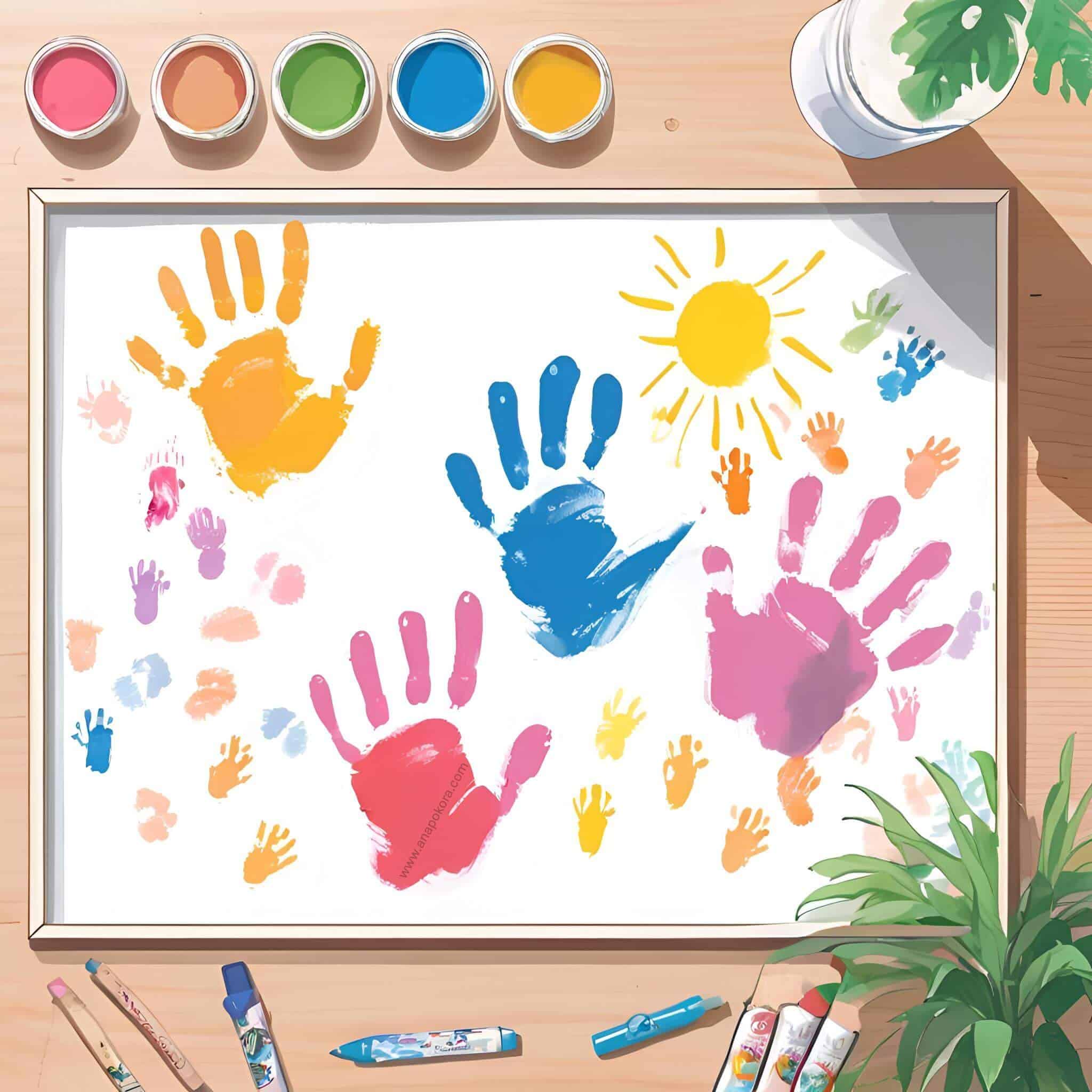
Not all activities hold attention the same way. The ones that tend to work best are:
- Hands-on activities (cutting, sticking, building)
- Creative tasks (coloring, designing, decorating)
- Quiet time setups (independent play moments)
- Structured kits (clear start and finish)
The key is giving kids something they can focus on, not just something to pass time.
A Balanced Approach to Screen Time
Reducing screen time doesn’t mean removing it completely.
There are moments when screens can still be helpful—especially when chosen intentionally. For example, some parents prefer lower-stimulation shows that are calmer and more age-appropriate rather than fast-paced, overstimulating content.
If you’re looking into that approach, these two resources break it down well:
- Age-appropriate TV shows for young children (WeeTalkers)
- Best low-stimulation shows for toddlers and preschoolers (Treehouse Schoolhouse)
The idea isn’t to replace activities with “better” screen time, but to be more intentional when screens are used.
How to Make Screen-Free Time Stick
This is where most people struggle. A few things that actually help:
- Rotate activities so kids don’t get bored
- Keep a small “activity basket” ready
- Don’t aim for perfect—aim for less screen time, not zero
- Pair activities with routines (morning, after nap, before dinner)
Health guidelines generally recommend limiting screen time to 1–2 hours per day, depending on age, but what matters most is how that time is used and what it replaces.
From my experience, what makes the biggest difference isn’t just limiting screens—it’s what you replace them with.
For example, I try to take my son for a morning walk to engage him with nature early in the day. It helps set the tone before screens even come into the picture. I also like to take him outside after using the tablet and leave it behind, so he can disconnect and reset instead of staying overstimulated.
A few things I’ve learned that actually help:
- Set a clear time when screens are turned off (for both you and your child)
- Keep screens out of sight when they’re not being used
- Don’t use screen removal as a punishment—it creates resistance
- Give them something to transition into (walks, activities, playtime)
If screens are always visible, kids will naturally reach for them. Out of sight really does help keep them engaged in other activities. Consistency matters more than perfection.
Turn Activities Into Keepsakes (Optional but Worth It)
One simple way to make these activities more meaningful:
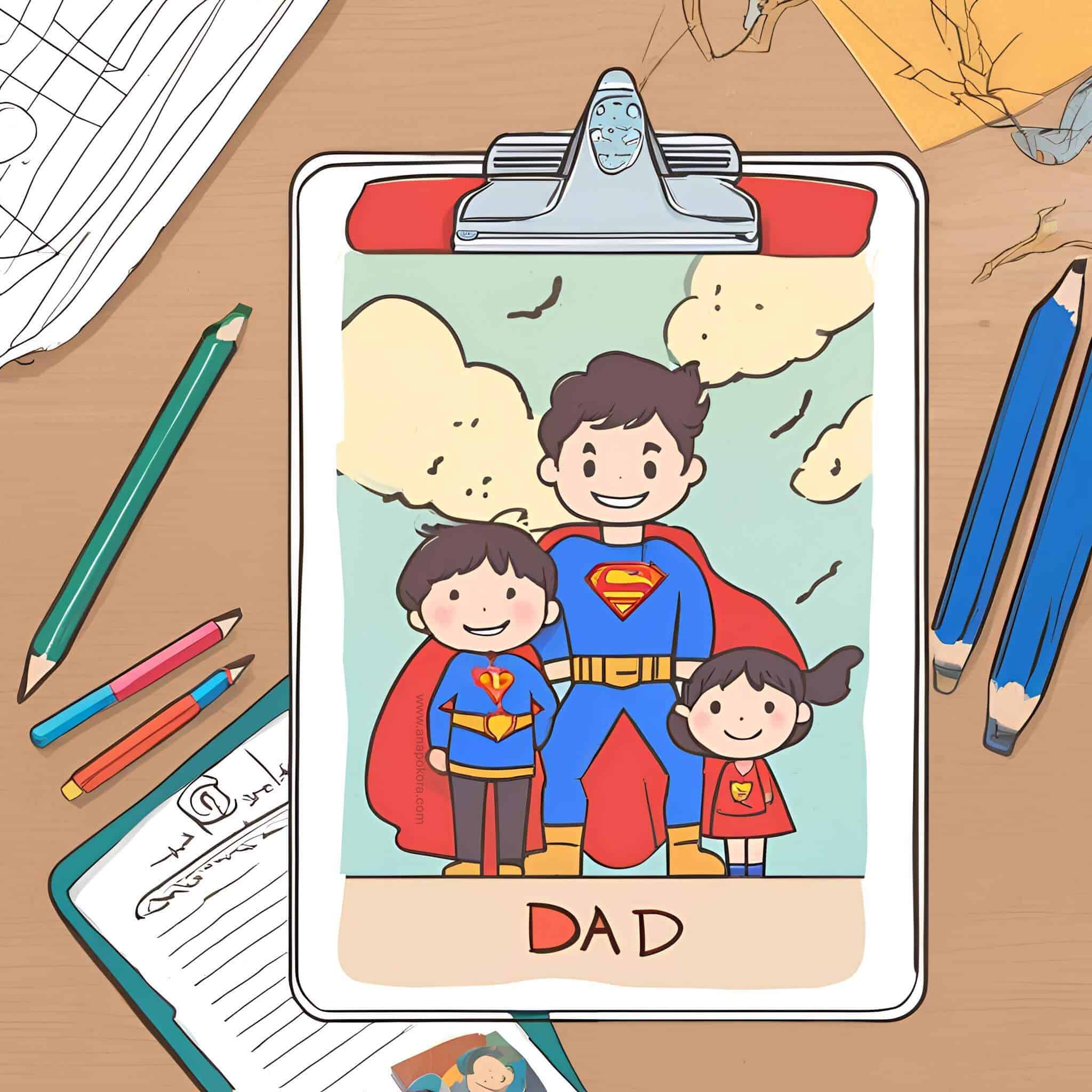
- Frame their artwork
- Save pieces in a memory book
- Let them “gift” what they made
It gives kids a sense of pride and makes the activity feel more purposeful.
FAQs: Screen Free Activities for Kids
What are some screen-free activities for kids that actually keep their attention?
The activities that tend to work best are hands-on and interactive. Things like cutting and sticking, coloring, simple crafts, and structured activity kits keep kids focused longer because they require active participation. Rotating activities and keeping options visible also helps prevent boredom.
How can I reduce screen time for toddlers without constant meltdowns?
Start gradually instead of removing screens all at once. Replace one screen-time block with a simple activity, like coloring or a mess-free kit, and build from there. Having something ready before they ask for a screen makes a big difference. Consistency and routine matter more than perfection.
Are screens always bad for kids, or is there a balanced approach?
Screens aren’t inherently bad—it depends on how they’re used. Some parents choose slower-paced, low-stimulation shows and limit their use. The goal isn’t to eliminate screens completely, but to create a better balance where kids also spend time playing, creating, and engaging offline.
Final Thoughts
You don’t need to plan elaborate activities every day to reduce screen time. Some days will be simple. Some days will be shortcuts. Both are fine.
The goal is just to create more moments where your kids are engaged, creating, and learning—without always defaulting to a screen.
If you’re looking for more simple ideas to keep kids involved, you can also check out:
- DIY Gifts Kids Can Make for Dad (Easy Father’s Day or Birthday Ideas)
- DIY Mother’s Day Gifts from Kids + Quick Amazon Finds
Let’s Make Inbox Magic
Join my circle to unlock the Curly Mama Freebie Library, your all-access pass to printables, checklists, and resources made for busy moms and curly hair lovers.
Already subscribed? Click here to access the Freebie Library.