

Bugs in Flour? Why They Appear and How to Prevent Flour Weevils
Product images are sourced from the official brand websites or authorized retailer listings for identification purposes. This post may contain affiliate links, which means I may earn a small commission if you purchase them at no extra cost to you. All opinions are my own. See my full disclosure here.
The other day, I was about to make banana bread.
I had already mashed the bananas, melted the butter, and mixed most of the ingredients. All that was left was the flour.
I opened a brand-new bag of flour that had been sitting in my pantry and immediately noticed tiny bugs crawling inside.
Not exactly the baking moment I had planned.
At first, I thought the bag must have been contaminated somehow. But after doing some research, I learned something surprising: this actually happens more often than people think.
Here’s what those bugs are, why they appear in flour, and what you can do to prevent them.
What Those Tiny Bugs in Flour Actually Are
The insects most commonly found in flour are called flour weevils (or grain weevils). They are tiny beetles that feed on grains like:
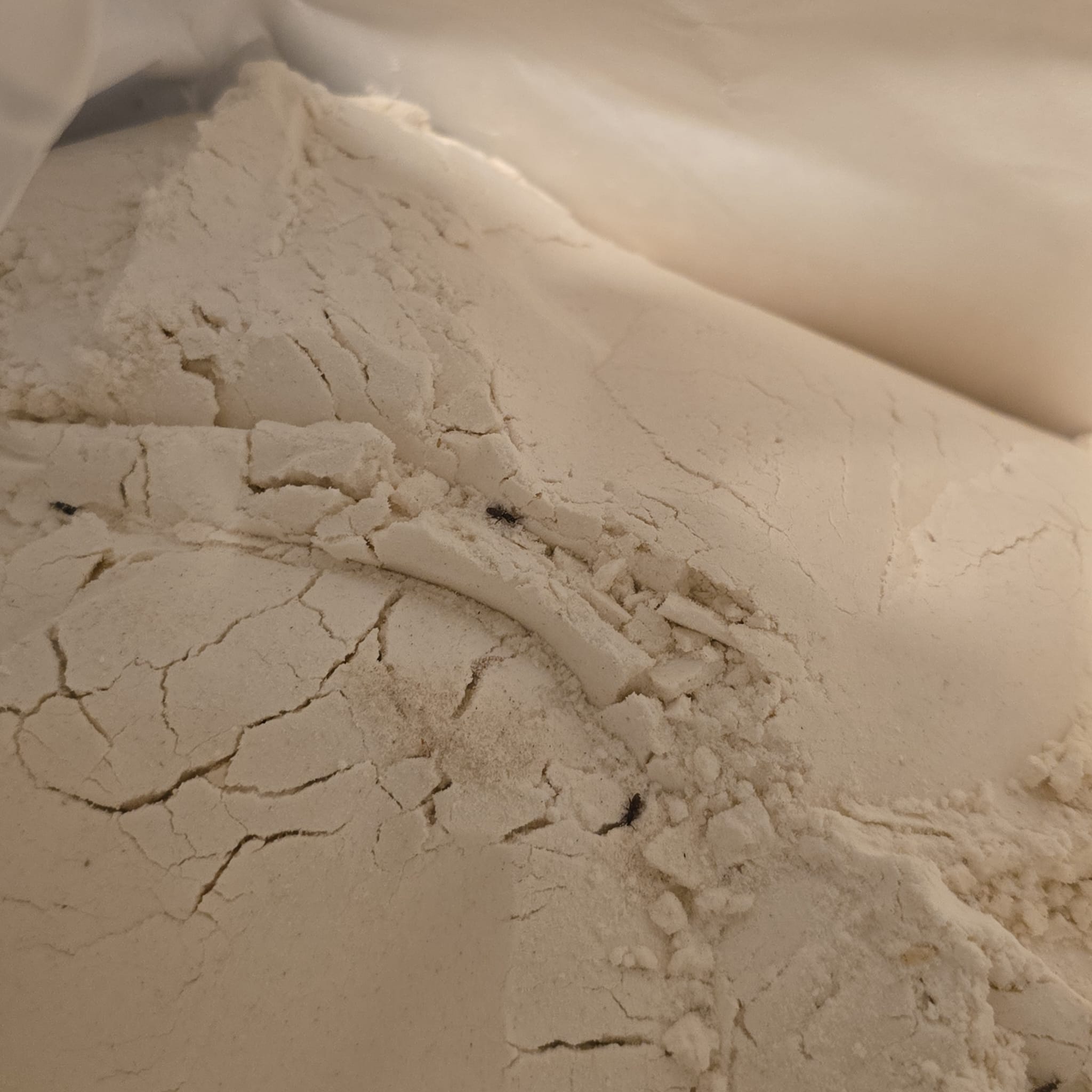
- flour
- rice
- oats
- cornmeal
- cereal
- pasta
What most people don’t realize is that the eggs are often already present in the grain before it even reaches your kitchen.
The eggs are microscopic, so you can’t see them. If the flour sits in a pantry long enough, those eggs can eventually hatch.
That’s why it’s possible to open a sealed bag of flour and still find bugs inside. It doesn’t mean your kitchen is dirty. It usually means the eggs were already in the grain during processing.
Why Simply Removing the Bugs Isn’t a Good Idea
Your first instinct might be to simply whisk the bugs out of the flour and keep using it. Unfortunately, that’s not recommended.
If you can see adult insects, the flour likely also contains:
- insect eggs
- larvae
- shed skins
- insect waste
Even if you remove the visible bugs, the flour is still contaminated. The safest option is to discard the flour and start with a fresh bag.
It’s also a good idea to clean the surrounding pantry area right away to prevent the insects from spreading to other dry foods. Wipe down shelves, vacuum crumbs or spilled flour, and check nearby items like rice, oats, cereal, or pasta for signs of pantry pests.
If you’ve already noticed pantry insects, using a simple pantry moth trap can also help monitor and catch any remaining pests before they spread to other foods.
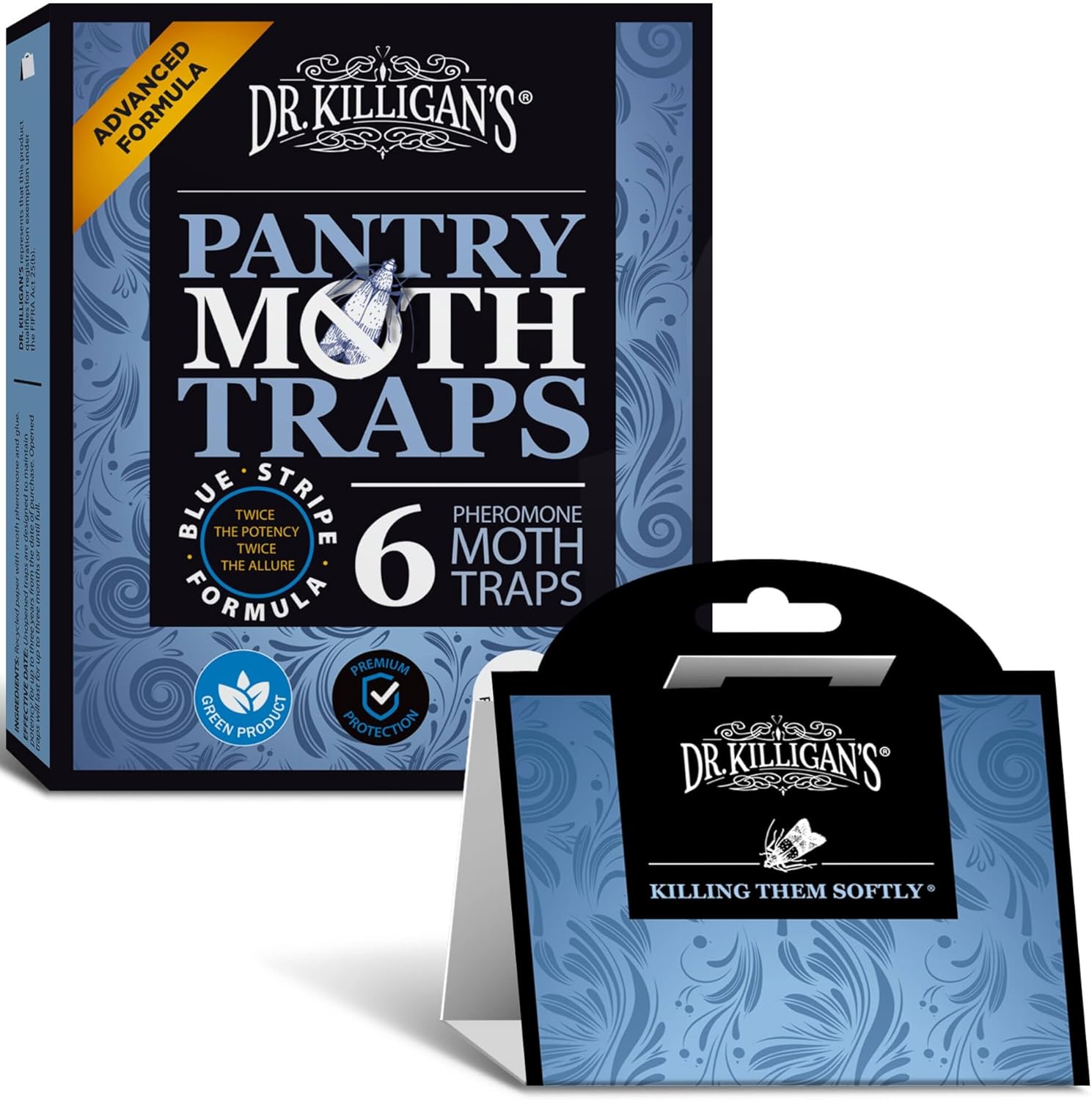
Dr. Killigan’s Pantry Moth Traps
Non-toxic pheromone traps that help monitor and capture pantry moths before they spread to other dry foods.
Why Airtight Containers Alone Don’t Always Prevent Flour Bugs
You’ve probably seen pantry-organization videos in which flour is transferred into airtight glass containers. While airtight containers can help prevent pests from entering your pantry, they don’t solve the main problem.
If the flour already contains eggs, those eggs will still hatch.
In fact, placing infested flour in an airtight container can sometimes trap the insects inside with their food source.
That’s why some people say they still found bugs even after switching to airtight storage.
The One Step That Actually Prevents Flour Bugs
The most effective way to prevent this issue is surprisingly simple. Freeze your flour before storing it.

When you bring home a new bag of flour:
- Place the entire bag in the freezer
- Leave it there for 48 hours
- Remove it and store it normally
Freezing kills:
- insect eggs
- larvae
- adult insects
After that, the flour can be safely transferred to an airtight container for long-term storage.
Note: Some people place bay leaves in containers of flour or rice as a natural insect deterrent. While the scent may discourage some pantry pests, it does not kill eggs already present in grains. Freezing flour before storage remains the most reliable method of prevention.
This step is especially helpful if you don’t use flour frequently.
Should You Still Store Flour in Airtight Containers?
You might be wondering: if freezing kills the insects, do you still need an airtight container?
The answer is yes, but for a different reason.
Freezing eliminates any eggs that may already be in the flour, but airtight containers help protect the flour after it’s stored in your pantry.
If you want a simple storage solution, I personally recommend using a large airtight glass container like this one for flour and other pantry staples.
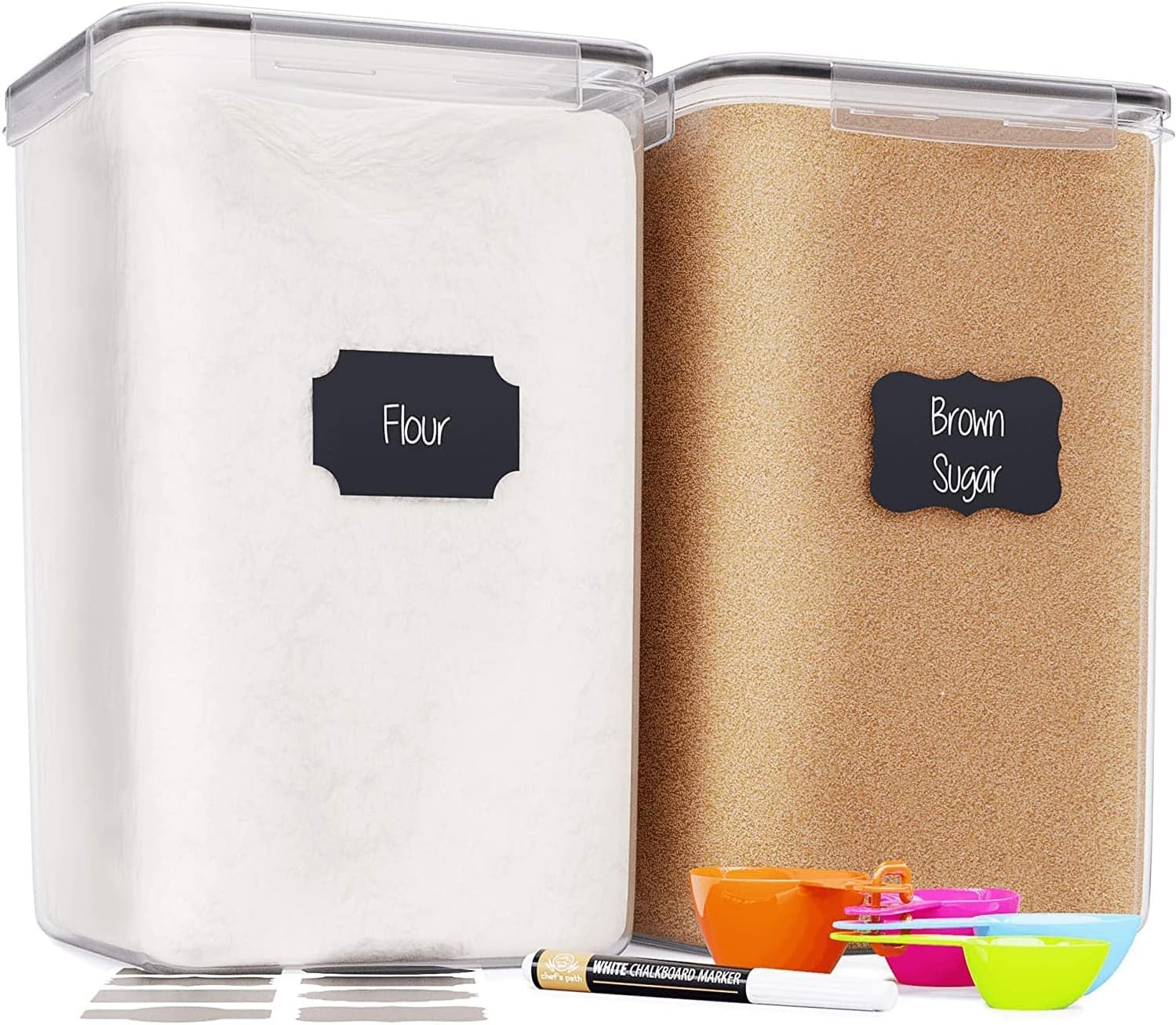
Extra Large Airtight Food Storage
Lightweight airtight containers designed for bulk pantry staples like flour, sugar, and rice. Durable, shatter-resistant, and easy to handle for everyday pantry storage.
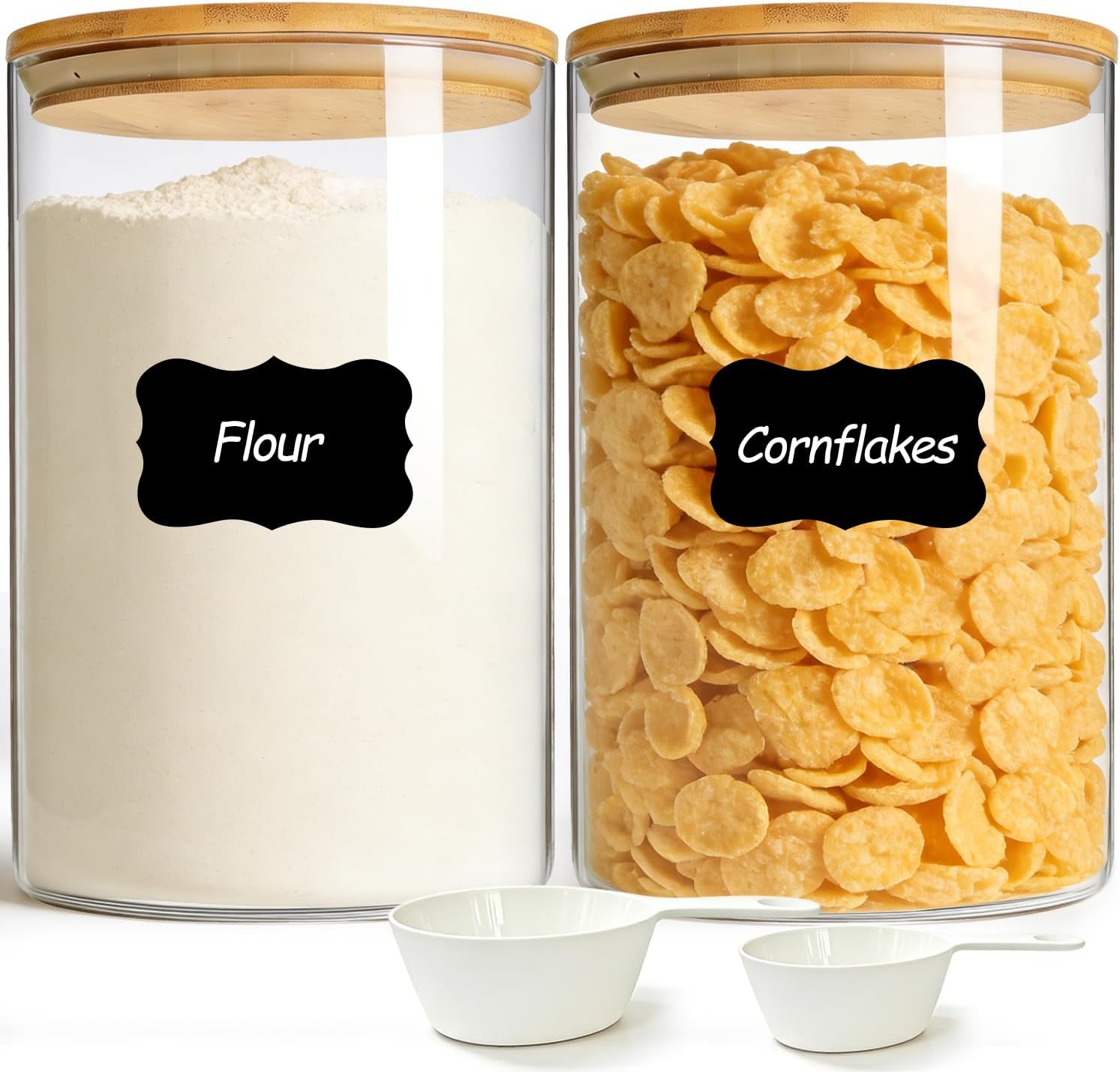
Large Glass Storage Containers
Clear glass jars with airtight lids that make it easy to see pantry ingredients while keeping them sealed. Glass doesn’t absorb odors or stains and can help keep dry foods fresher over time.
They help:
- Prevent new pantry pests from getting in
- Stop infestations from spreading between dry foods
- Keep flour fresher longer
- Make scooping easier and cleaner
Think of it this way:
Freezing protects the flour before storage. Airtight containers protect it during storage.
Using both steps together gives you the best protection.
How I Saved My Banana Bread
Because I had already mixed the other ingredients, I didn’t want to waste the whole recipe.
Instead, I blended rolled oats to make homemade oat flour and used that instead of the regular flour. It worked surprisingly well. Banana bread is forgiving, and oat flour gives it a slightly softer, more moist texture.
So the baking disaster turned into a useful kitchen trick.
If you ever need a quick substitute, blending rolled oats in a high-speed blender or food processor yields simple, homemade oat flour.
I used my blender to grind the oats into a fine flour, which only took about 30 seconds.

Nutribullet Blender Combo
A versatile blender that easily grinds rolled oats into homemade oat flour, smoothies, and other everyday kitchen recipes.
FAQs about bugs in flour
Can you still eat flour with weevils?
It’s not recommended. If you see insects, the flour likely contains eggs and larvae as well.
Why do bugs appear in sealed flour?
Eggs can already be present in the grain during processing and hatch later in your pantry.
Does freezing flour kill weevils?
Yes. Freezing flour for 48 hours kills eggs, larvae, and adult insects.
Final Thoughts
Finding bugs in flour is definitely unpleasant, but it’s also a common pantry issue that many people experience at least once.
The key takeaway is simple: Freeze new flour for 48 hours before storing it.
That one step can prevent the entire problem.
And if you ever open a bag of flour and see tiny insects inside, don’t panic, just toss the flour and start fresh.
Keeping a few simple kitchen habits can make a big difference in your pantry. If you’re also trying to simplify your routine at home, you might enjoy my guide on switching to matcha as a coffee alternative or these practical tips to save money on groceries and lower your weekly food bill.
Let’s Make Inbox Magic
Join my circle to unlock the Curly Mama Freebie Library, your all-access pass to printables, checklists, and resources made for busy moms and curly hair lovers.
Already subscribed? Click here to access the Freebie Library.