Telogen Effluvium Hair Loss: Causes, Timeline & Recovery
Product images are sourced from the official brand websites or authorized retailer listings for identification purposes. This post may contain affiliate links, which means I may earn a small commission if you purchase them at no extra cost to you. All opinions are my own. See my full disclosure here.
Hair shedding can feel alarming, especially when it seems to happen suddenly. Many people assume something is wrong with their routine or that their curls are breaking off, but that isn’t always the case.
In many situations, sudden hair shedding is caused by telogen effluvium, a temporary form of hair loss triggered by stress or major changes in the body.
I experienced this myself during a period of intense stress, and understanding what was happening made the experience much less frightening.
This guide explains what telogen effluvium is, why it happens, and what recovery typically looks like.
What Is Telogen Effluvium Hair Loss?
Telogen effluvium is a temporary form of hair shedding that occurs when the body pushes more hair follicles than usual into the resting phase of the hair growth cycle.
Hair normally grows in cycles:
- Anagen phase: active growth
- Catagen phase: transition
- Telogen phase: resting phase before shedding
When the body experiences significant stress, it can shift a larger number of hairs into the telogen phase at the same time.
About two to three months later, those hairs begin shedding. This is why many people experience hair shedding weeks or months after the stressful event rather than immediately.
What Causes Stress-Related Hair Loss?
Telogen effluvium can be triggered by several factors that place stress on the body, including:
- major emotional stress
- illness or infection
- hormonal shifts
- postpartum recovery
- nutritional deficiencies
- rapid weight loss
- surgery or physical trauma
Even positive life changes can trigger this type of shedding because the body is adjusting to new hormonal or physical demands.
My Experience With Stress Hair Shedding
A few years ago, I went through a period where I suddenly began losing hair in handfuls.
At the time, I was working as a paralegal during the early months of the COVID pandemic. Like many people, I was carrying a lot of emotional weight from uncertainty, pressure, and constant stress.
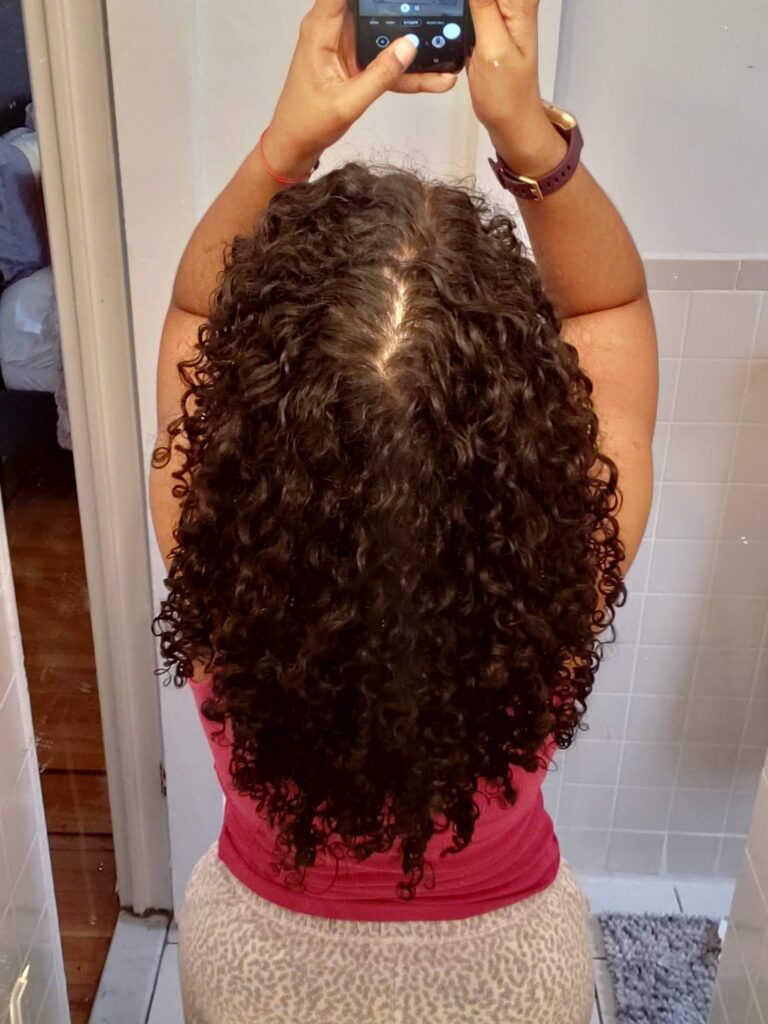


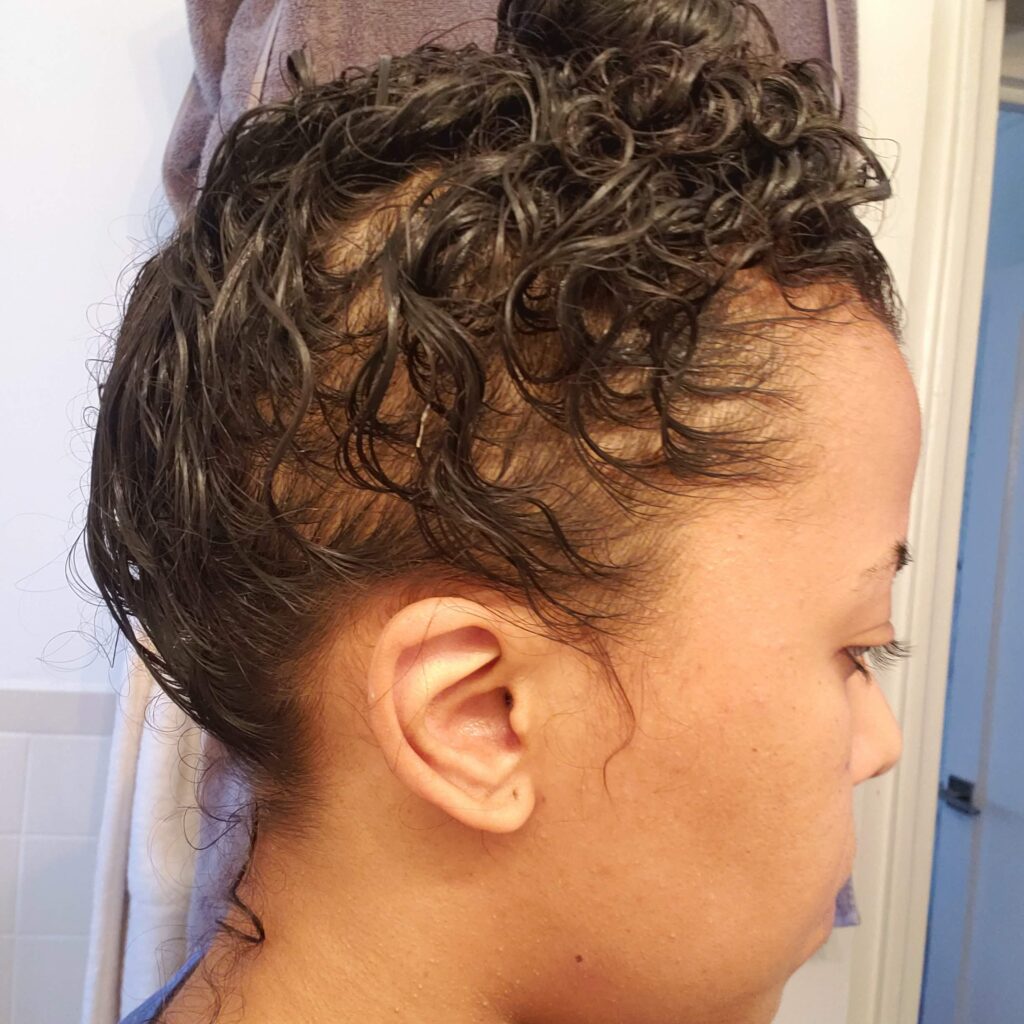
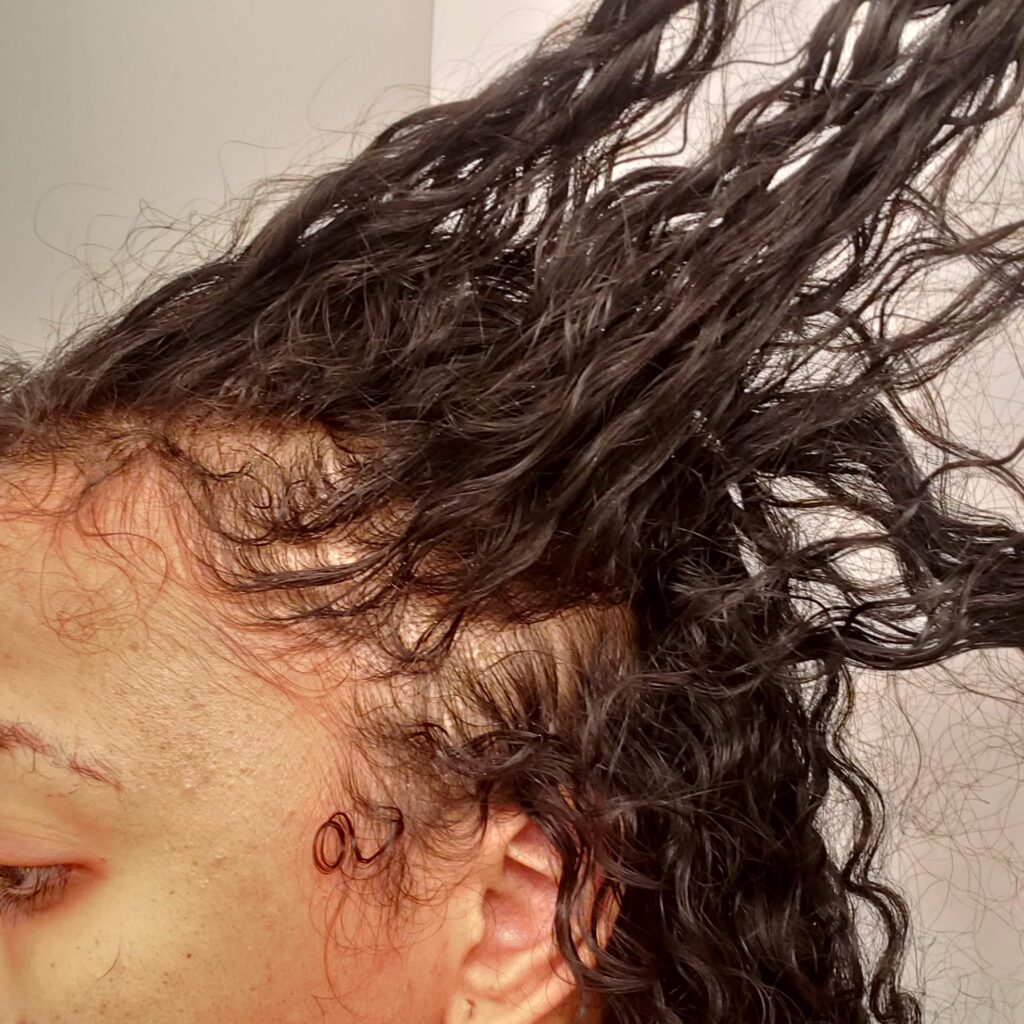
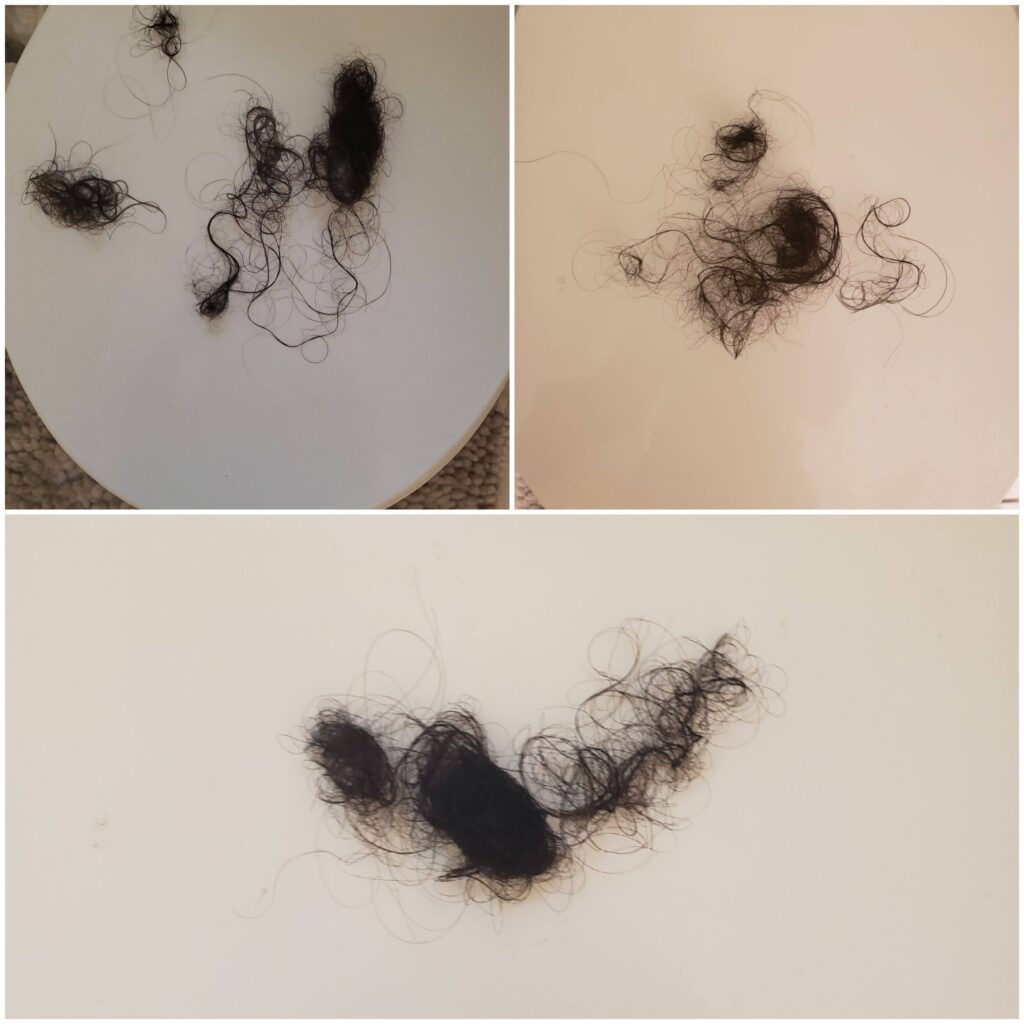
Not long after, I started noticing significant shedding. My hormones shifted, my skin began breaking out, and I started gaining weight. It felt like my body was sending clear signals that something needed to change.
Eventually, I saw a dermatologist, who diagnosed the issue as telogen effluvium.
Understanding that the shedding was stress-related and temporary made a huge difference in how I approached my hair care moving forward.
Dermatologist-Recommended Support: Nutrafol
When my dermatologist diagnosed telogen effluvium, she recommended Nutrafol to help support recovery from stress-related hair shedding.
For about three months, I took Nutrafol while also using a customized topical hair treatment my dermatologist prescribed through HairStim. The treatment was formulated specifically for my scalp and hair loss pattern, and the combination of both approaches helped address the shedding from multiple angles.
Within a few months, the excessive shedding stopped completely.

Nutrafol Women’s Hair Growth Supplement
This dermatologist-recommended supplement supports postpartum and stress-related hair regrowth with a blend of Ashwagandha, Collagen, and Biotin. It helps strengthen hair at the root while promoting a healthier scalp and less shedding over time.
Later, when I switched to vegan prenatal vitamins while trying to conceive, my dermatologist explained that they would still support hair regrowth through important nutrients like:
- biotin
- zinc
- iron
These nutrients help support the scalp, hair follicles, and overall hair growth cycle. If you’re experiencing stress-related shedding or postpartum hair loss, supplements like Nutrafol can sometimes help support recovery by addressing underlying factors such as stress, hormonal shifts, and nutritional gaps. However, working with a dermatologist can be especially helpful in identifying the right treatment plan for your specific situation.
How Long Does Telogen Effluvium Hair Loss Last
One of the most reassuring things to understand about telogen effluvium is that it is usually temporary.
Typical timeline:
| Timeline | What Happens |
|---|---|
| Trigger event | A stressful event occurs. |
| 2–3 months later | Hair begins shedding. |
| 3–6 months | Shedding gradually slows down. |
| 6–12 months | New hair growth becomes noticeable. |
New hair growth eventually becomes noticeable. Because hair grows slowly (about half an inch per month on average), it can take several months before regrowth becomes visible.
Breakage vs Shedding: How to Tell the Difference
One of the biggest sources of confusion is distinguishing between hair shedding and breakage.
Here is a simple way to check:
| Hair shedding | Hair breakage |
|---|---|
| full-length strand with root attached | shorter pieces |
| white bulb at the root | no bulb |
| comes from the scalp | strand snaps mid-length |
Shedding is often part of the natural hair cycle, while breakage usually points to damage or mechanical stress on the hair shaft.
What Helped My Hair Recover
While the shedding phase was stressful, focusing on overall health and a gentle hair routine helped my hair recover over time.
Some of the things that supported my recovery included:
- maintaining a consistent wash routine
- deep conditioning regularly
- staying hydrated
- supporting my body with proper nutrition
- avoiding unnecessary tension or over-manipulation
Another shift I made was simplifying my approach to supplements. Instead of constantly switching between different “hair growth” products, I chose one supplement to support my hair from the inside and stayed consistent with it.
For me, that was collagen peptides, which I mixed into smoothies or coffee. I still use collagen today because it supports not only hair health but also skin, nails, and overall wellness.

Collagen Peptides (Sports Research)
An easy way to support hair, skin, and nail health from within. I mix one scoop into my morning coffee or smoothies since it dissolves easily and has no strong flavor.
Rather than chasing every viral “hair growth hack,” I focused on consistency and patience. Hair growth is a slow biological process, and most of the time, the goal is not to speed it up but to protect the hair that grows and retain the length over time.
When to See a Dermatologist
If you are experiencing sudden hair shedding, it’s a good idea to consult a dermatologist, especially if:
- shedding continues longer than six months
- You notice bald patches
- The scalp feels painful or inflamed
- You suspect hormonal or nutritional issues
A dermatologist can help rule out other conditions and guide treatment if needed.
FAQs about Stress-Related Hair Loss
How do I know if my hair loss is telogen effluvium?
Telogen effluvium typically causes increased shedding across the entire scalp, rather than patchy hair loss. The hairs that fall out are usually full-length strands with a small white bulb at the root, which indicates the hair shed from the follicle instead of breaking mid-strand.
How long does telogen effluvium last?
In most cases, telogen effluvium lasts three to six months. Shedding usually begins about two to three months after a stressful event, illness, or hormonal change. Once the underlying trigger resolves, the hair cycle gradually resets and new growth begins.
Will my hair grow back after telogen effluvium?
Yes. Telogen effluvium does not permanently damage hair follicles, which means hair typically regrows once the body recovers from the stress that triggered the shedding. Regrowth may take time to become visible because hair grows slowly, about half an inch per month on average.
Final Thoughts
Sudden hair shedding can feel alarming, but in many cases, it’s the body’s response to stress and a gradual return to balance.
Telogen effluvium is common and usually temporary. With patience, proper nutrition, and a gentle hair care routine, the hair growth cycle can return to normal. The most important thing during recovery is to focus on overall health and protect the hair that grows back.
If you’re currently navigating a similar experience, remember that hair recovery takes time. What feels like a setback can sometimes become the beginning of a healthier relationship with your hair and your routine.
I share more about my personal hair journey in my big chop reflection, where I talk about starting fresh and rebuilding my routine after a major reset.
And if you’re still learning how to care for your curls, my Curly Hair Resource Guide walks through curl types, porosity, and routines to help you understand what your hair needs.
Let’s Make Inbox Magic
Join my circle to unlock the Curly Mama Freebie Library, your all-access pass to printables, checklists, and resources made for busy moms and curly hair lovers.
Already subscribed? Click here to access the Freebie Library.